Surprising Benefits You Gain With Indoor Plants
Henry Caldwell November 29, 2025
Explore how adding indoor plants to your home can transform your living space and well-being. Uncover the science-backed advantages of houseplants for air quality, mood, and aesthetic value—all woven into a practical, curiosity-driven guide.
Why Indoor Plants Make a Difference
Introducing indoor plants into your living space can generate a remarkable transformation, not just visually, but in the overall quality of your environment. Plants are more than simple décor—they actively work on air purification, absorbing toxins like formaldehyde and benzene, which are commonly found in furniture and flooring. Their ability to contribute to cleaner indoor air is backed by research from NASA, which found that certain houseplants can help remove pollutants (Source: https://ntrs.nasa.gov/citations/19930073077).
The presence of greenery has also been shown to elevate mood and reduce stress. Studies indicate that interacting with indoor plants, even passively, may lower blood pressure and foster a sense of calm. This effect can be especially valuable in urban homes or apartments where natural green space is limited, providing a nature-inspired retreat and improving mental clarity (Source: https://www.ncbi.nlm.nih.gov/pmc/articles/PMC4419447/).
Homeowners often seek unique ways to make their spaces inviting, comfortable, and personalized. The integration of indoor plants—everything from pothos to snake plants—enlivens rooms with character and health benefits, while allowing for individual expression. The diversity available ensures that everyone finds a plant that resonates with their style and lifestyle needs.
Air Purification and Oxygen Production Indoors
Many people are surprised by just how much houseplants can impact the air they breathe. Indoor air quality is often more polluted than outdoor air due to chemicals found in cleaning supplies, paints, and building materials. Certain houseplants, such as spider plants and peace lilies, help filter and neutralize these toxins, making the air fresher for everyone. Their leaves and roots act as natural air filters, providing a simple way to contribute to a healthier home environment (Source: https://www.epa.gov/indoor-air-quality-iaq/inside-story-guide-indoor-air-quality).
Beyond just purifying air, indoor plants also increase humidity naturally, which can be particularly beneficial during dry seasons or in climates that require constant heating. Dry air can aggravate respiratory issues and deteriorate skin health. The gentle moisture released through plant transpiration helps stabilize room humidity and reduce common discomforts associated with dry environments.
In addition, the process of photosynthesis enables houseplants to release oxygen while absorbing carbon dioxide. This effect is modest but can be noticeable, especially in closed spaces. Arranging clusters of oxygen-producing plants in bedrooms and home offices is a practical technique to subtly improve air quality and promote restful sleep or better concentration throughout the day.
Boosting Well-Being and Reducing Stress
Living with indoor plants offers psychological rewards. Research has shown that being surrounded by greenery can diminish anxiety and elevate mood, contributing to a positive living atmosphere. This can be particularly helpful during challenging times or in households that value mindfulness and relaxation routines as part of their everyday life (Source: https://www.ncbi.nlm.nih.gov/pmc/articles/PMC5664031/).
Participating in plant care routines, such as watering and pruning, provides a gentle structure that encourages mindfulness and a break from digital distractions. These routines can serve as calming rituals, anchoring daily schedules and helping household members, young and old, develop patience and responsibility. For some, the act of caring for something living can foster feelings of connectedness and accomplishment.
Stress-reduction benefits don’t require significant gardening skills. Even beginners can enjoy these positive impacts through resilient species like zz plants, jade, or philodendrons. Each simple success—like a new leaf—serves as a rewarding reminder of progress and personal growth, accessible to everyone no matter their gardening background.
Style, Decoration, and Curb Appeal
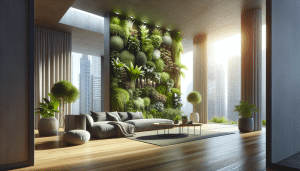
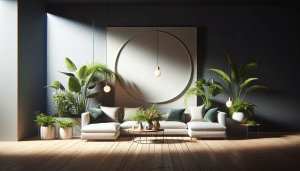
Houseplants are a go-to for savvy decorators aiming to elevate a room’s ambience without major renovations. The urban jungle trend remains strong, as people turn to greenery to introduce color, texture, and visual contrast throughout their spaces. Placement strategies can vary widely, from single statement plants on a shelf to dense arrangements on windowsills or in bathrooms—each offering fresh inspiration for complimentary design choices.
Careful positioning of houseplants can accentuate architectural features or create focal points in open-plan rooms. Cascading vines soften sharp corners, while upright plants such as snake plants add vertical interest. Adding unique vessels—like repurposed jars or vintage pots—injects personality and can align with eco-friendly or eclectic home design styles.
Improving curb appeal isn’t limited to the outdoors. Visible greenery viewed through windows adds vibrancy, making homes look more inviting from the street. Stylish houseplant arrangements are an affordable way to update interiors, supporting both aesthetics and the calming effect plants bring when seen in everyday spaces.
Easy Maintenance and Perfect Varieties for Beginners
Worried about keeping plants alive? Many houseplants are highly adaptable and thrive on neglect, making them accessible entry points for people new to indoor gardening. Snake plants, pothos, and peace lilies, for example, tolerate occasional missed waterings and adapt well to varying light conditions.
Selecting the right plant involves considering light availability, humidity, and routine. Low-maintenance varieties suit busy schedules or frequent travelers, providing greenery without excessive attention or specialized equipment. Detailed care guides are widely available from credible sources (Source: https://extension.psu.edu/houseplants), offering advice on choosing the right species for each space.
Automatic watering solutions, self-watering pots, and simple soil mixes make success more likely—even for the forgetful or those without prior experience. Experimenting with different plants lets individuals discover which thrive under specific home conditions, transforming the experience into a rewarding hobby over time.
Improving Focus and Productivity in Daily Life
Adding plants to home offices or study areas can deliver cognitive benefits beyond aesthetics. Research observed that people working near indoor plants reported greater concentration, improved creativity, and reduced mental fatigue (Source: https://www.apa.org/monitor/2019/04/nurtured-nature). Natural greenery offers gentle sensory stimulation, breaking up screen time and creating restorative micro-environments.
Houseplants may boost workplace satisfaction. Companies that integrate indoor plants into office settings often see higher employee morale and increased overall well-being. Even in hybrid or home-based work setups, small potted plants help create inviting and productive workstations, minimizing the impact of bland, sterile environments.
For students studying at home, vivid greenery within eyesight can assist in sustaining attention and motivation. Simple care routines provide structured breaks, which can enhance mental performance and retention of information. This makes houseplants a practical and uplifting addition to study and work routines across age groups.
References
1. Wolverton, B.C., Johnson, A., & Bounds, K. (1989). Interior landscape plants for indoor air pollution abatement. NASA. Retrieved from https://ntrs.nasa.gov/citations/19930073077
2. Environmental Protection Agency. (n.d.). The inside story: A guide to indoor air quality. Retrieved from https://www.epa.gov/indoor-air-quality-iaq/inside-story-guide-indoor-air-quality
3. Bringslimark, T., Hartig, T., & Patil, G.G. (2009). The psychological benefits of indoor plants: A critical review of the experimental literature. Journal of Environmental Psychology. Retrieved from https://www.ncbi.nlm.nih.gov/pmc/articles/PMC4419447/
4. Lee, M.S., Lee, J., Park, B.J., & Miyazaki, Y. (2015). Interaction with indoor plants may reduce psychological and physiological stress by suppressing autonomic nervous system activity in young adults: A randomized crossover study. Journal of Physiological Anthropology. Retrieved from https://www.ncbi.nlm.nih.gov/pmc/articles/PMC5664031/
5. Pennsylvania State University Extension. (n.d.). Houseplants. Retrieved from https://extension.psu.edu/houseplants
6. American Psychological Association. (2019). Nurtured by nature. Retrieved from https://www.apa.org/monitor/2019/04/nurtured-nature

 Simple Minimalist Home Decor Ideas You Can Try