You Won’t Believe What Indoor Plants Can Do
Henry Caldwell November 25, 2025
Explore the many ways indoor plants can transform the spaces you live in. Find out how greenery improves air quality, boosts your mood, and gets the most out of your home environment with easy maintenance tips and fun inspiration.
Discovering the Hidden Potential of Indoor Plants
Bringing indoor plants into your living spaces does so much more than simply adding charm. Researchers have found that strategically placed greenery helps purify indoor air, trapping common toxins that accumulate from everyday products and furnishings. The foliage absorbs harmful chemicals through their leaves, improving air quality for everyone at home. Incorporating indoor plants isn’t complicated, yet the subtle changes make a real difference in how your rooms feel and function. It’s clear that even a small plant like a pothos or a spider plant has the potential to enhance your indoor environment. (Source: https://www.epa.gov/indoor-air-quality-iaq/inside-story-guide-indoor-air-quality)
The benefits go beyond air purification. Many people find that living among plants reduces stress and improves mental well-being. The process of nurturing a green companion is naturally rewarding, fostering feelings of accomplishment and connection. Even just glimpsing a verdant spot as you move through your daily routine can support relaxation, creativity, and focus. Growing evidence suggests that indoor plants act as gentle reminders to pause and be present, which may be one reason plant-filled environments often feel so calm and uplifting. (Source: https://www.ncbi.nlm.nih.gov/pmc/articles/PMC4419447/)
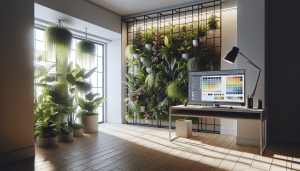
Some enthusiasts experiment with plant placement to maximize these benefits. You might notice that a few leafy friends beside your desk can foster a more productive atmosphere. In bedrooms, calming species like lavender or peace lilies could gently help create a restful retreat. Others love showcasing collection corners or filling empty shelves with cascading vines for visual delight. Small adjustments can have outsized effects, encouraging creativity and personal expression while you enjoy better air and a subtle sense of tranquility at home.
Choosing the Right Indoor Plants for Every Space
Selecting suitable indoor plants depends on several factors. Consider the available light—does a window get direct sun, or is it partially shaded? Many houseplants, such as snake plants, ZZ plants, and philodendrons, thrive in low to moderate light, making them excellent for many homes. Matching plant varieties to your home’s microclimates ensures healthy growth and low-stress upkeep. Some people enjoy experimenting by rotating plants between spots, seeing where they flourish best. (Source: https://hgic.clemson.edu/factsheet/indoor-plants-selection-care/)
Water requirements vary, too. Busy people or beginners might gravitate toward drought-tolerant options like succulents and cacti, which only need occasional watering. For those who enjoy tending to their plants more regularly, tropical varieties such as ferns, calatheas, or peace lilies may be more satisfying. Learning each plant’s preferences can become a fulfilling hobby. There’s always something new to discover—from potting soil blends to creative watering tricks. As your knowledge grows, you’ll likely find that caring for plants in different living spaces becomes easier and more satisfying over time.
Consider also the impact on indoor humidity and allergens. Plants like areca palm and bamboo palm act as natural humidifiers, gently raising moisture levels which can help ease issues like dry skin and respiratory discomfort in winter. Some people choose certain species based on their ability to reduce airborne mold or dust. Picking the right indoor greenery can positively shape your home’s comfort in more ways than you might imagine, balancing environment and aesthetics. (Source: https://www.epa.gov/indoor-air-quality-iaq)
Placement and Styling Ideas to Enhance Your Home
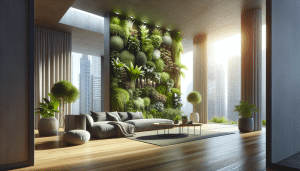
Where you position your indoor plants can shape the ambiance and visual energy of your home. Floating shelves filled with cascading pothos, windowsill collections of succulents, or a statement monstera by the sofa could all set the tone. Mixing plant shapes, heights, and textures adds depth and draws the eye, creating dynamic living decor that grows and changes with time. Some designers recommend grouping plants in clusters of odd numbers for balanced, natural-looking arrangements. (Source: https://extension.umn.edu/houseplants/houseplants-home)
Experimenting with pots and stands introduces extra personality. Baskets, ceramic planters, and even upcycled containers can reflect your personal style while accommodating each plant’s need for drainage and space. Creative arrangements—like trailing vines from wall-mounted holders or compact succulents on a sun-drenched shelf—offer endless possibilities. Many enthusiasts find inspiration by mixing vintage finds with modern design touches, making plant displays feel truly unique and inviting. Observe how natural light shifts throughout the day to optimize plant placement and visual effect.
Larger homes may benefit from strategic use of floor-standing plants as soft dividers, especially in open layouts. Fiddle leaf figs, rubber trees, or tall palms make striking room accents—while smaller tabletop plants liven workspaces, kitchens, and bathrooms. Window ledges, corners, and bookcases are frequently underutilized and make excellent homes for compact or trailing varieties. Don’t be afraid to rearrange: plants are remarkably adaptable and moving them around can refresh your home’s look and feel without major redecorating.
Simple Maintenance Tips for Thriving Indoor Plants
Keeping indoor plants healthy doesn’t have to be time-consuming. Most plants thrive with a regular but not excessive watering schedule. Overwatering is a common issue—stick your finger in the soil to check if it feels dry before adding more water. Many plants prefer their soil to almost dry out between waterings. Consistency is more important than frequency. Try to observe your plants’ needs and adapt accordingly, avoiding rigid routines that might not suit all seasonal changes. (Source: https://hort.extension.wisc.edu/articles/caring-indoor-plants/)
Maintenance goes beyond watering. Dust can accumulate on leaves, blocking sunlight and reducing a plant’s air-cleaning effectiveness. Gently wiping leaves with a damp cloth every few weeks restores their vitality and allows for a quick health check. Periodically trim brown or damaged leaves to keep plants attractive and encourage new growth. Many plant lovers develop a simple routine, checking on their collection once a week to spot problems early and enjoy the quiet satisfaction of small tasks. Taking time for this process can feel almost meditative, deepening your bond with your indoor garden.
Feeding your plants with a balanced fertilizer every month or so supports ongoing vigor, especially during spring and summer. Repotting as roots outgrow containers is another occasional chore that promotes healthy development. If you notice leaves turning yellow or growth slowing, pause to troubleshoot—issues may be related to light, water, or pests. Addressing these gently usually proves more effective than drastic measures. Over time, you’ll recognize your plants’ subtle cues, and caring for them will become second nature, adding to the joy of your home. (Source: https://www.gardeningknowhow.com/houseplants/hpgen/taking-care-of-houseplants.htm)
Exploring Unusual and Trending Indoor Plants
The world of indoor plants extends far beyond traditional favorites. Rare varieties like string-of-pearls, bird’s nest fern, or polka dot begonia are gaining popularity for their dramatic looks and conversation-starting foliage. Some people collect unusual cacti, carnivorous plants like Venus flytrap, or air plants (tillandsias) that require little soil. These trendy options invite experimentation, allowing you to personalize your plant sanctuary with distinctive shapes and patterns. Finding the right care routines for unique plants may take time, but exploring these options can be deeply satisfying. (Source: https://www.rhs.org.uk/plants/popular/houseplants)
Tropical plants, especially those with bold leaves like monstera deliciosa, alocasia, or calathea, have surged in popularity among home and apartment dwellers. Their striking form often requires a bit more attention to factors such as humidity and fertilizer, but the impact they make is well worth it. Many indoor gardeners enjoy researching and collecting care tips, staying connected with online communities or attending local plant swaps to share cuttings and learn from others’ experiences. This social side of plant care can build wonderful connections within your neighborhood or city, expanding your collection and skills alike.
With so many options, it can be fun to set mini-challenges: perhaps grow a mini-orchid, germinate seeds from fruit, or nurture a cutting until it develops roots. Trending indoor plants often reflect changing tastes in design and environmental awareness, encouraging people to embrace diversity and try new things. No matter the size of your dwelling, there’s something special about discovering a new favorite to nurture—and it’s easier than ever to find guidance online or through local plant clubs. These living wonders invite curiosity and lifelong learning in your home.
Indoor Plants for Every Livelihood and Lifestyle
No matter your routine, it’s possible to enjoy the benefits of indoor plants. Those with busy schedules gravitate toward forgiving varieties like snake plants, ZZ plants, and pothos. These tough species tolerate occasional neglect while providing strong air-cleaning abilities. For families, non-toxic selections such as spider plants or Boston ferns can offer peace of mind around pets or small children. Even tiny living spaces can accommodate a cheerful succulent or trailing ivy in a hanging planter.
Gardening indoors presents excellent learning opportunities for children and adults alike. Watching seeds germinate or roots develop in clear containers can spark curiosity and a sense of accomplishment. Educational programs often encourage plant care as an accessible, hands-on science lesson that also builds responsibility. Connecting with nature indoors may even motivate other healthy lifestyle habits, such as improved sleep hygiene and increased mindfulness.
Personalizing your plant choices—for color, fragrance, or style—lets you reflect your identity in every room. Mixing edible options like kitchen herbs alongside decorative botanicals can increase utility and satisfaction. The ultimate effect is a living space that supports well-being, comfort, and joy, regardless of the space’s size or the occupant’s level of expertise. Every leaf, stem, or bloom contributes to a more vibrant and nourishing home.
References
1. United States Environmental Protection Agency. (n.d.). The Inside Story: A Guide to Indoor Air Quality. Retrieved from https://www.epa.gov/indoor-air-quality-iaq/inside-story-guide-indoor-air-quality
2. Bringslimark, T., Hartig, T., & Patil, G. G. (2009). The psychological benefits of indoor plants: A critical review of the experimental literature. Retrieved from https://www.ncbi.nlm.nih.gov/pmc/articles/PMC4419447/
3. Home & Garden Information Center, Clemson University Cooperative Extension. (n.d.). Indoor Plants – Selection and Care. Retrieved from https://hgic.clemson.edu/factsheet/indoor-plants-selection-care/
4. United States Environmental Protection Agency. (n.d.). Indoor Air Quality (IAQ). Retrieved from https://www.epa.gov/indoor-air-quality-iaq
5. University of Minnesota Extension. (n.d.). Houseplants in the Home. Retrieved from https://extension.umn.edu/houseplants/houseplants-home
6. Royal Horticultural Society. (n.d.). Indoor (house) plants. Retrieved from https://www.rhs.org.uk/plants/popular/houseplants

 Daily Habits That May Lower Blood Pressure