Simple Minimalist Home Decor Ideas You Can Try
Amira Solberg November 29, 2025
Discover how minimalist home decor can create calm, beauty, and effortless style in your living space. This guide explores practical minimalist interior ideas, color palettes, styling tips, and organization habits to help you shape a serene, inviting home environment built around simplicity.
Understanding Minimalism in Modern Home Decor
Minimalism in home decor is more than a passing trend—it’s a lifestyle shift that has captivated many people’s imagination. At its core, minimalist home decor revolves around simplicity, clarity, and uncluttered living spaces. The idea is to thoughtfully reduce excess and focus on what matters most, which often leads to a sense of calm and clarity within the home. Whether inspired by Japanese influences, Scandinavian styling, or a general love for clean lines, minimalist homes tend to feel more inviting and easier to maintain for daily living needs.
The benefits of minimalist design extend beyond appearance. Studies suggest that minimalism helps promote mental well-being by reducing visual clutter and cognitive overload, creating a peaceful environment for both relaxation and productivity. Instead of filling shelves with ornaments, minimalist decor embraces empty space as a feature. Neutral color schemes, natural materials, and simple furniture are common features. These principles don’t require a large investment; often, a thoughtful edit of existing belongings makes a dramatic difference in how a room feels and functions (Source: https://www.apa.org/monitor/2019/01/ce-corner).
Minimalism is also adaptable, working equally well in small apartments and larger open-plan homes. The approach can be tweaked to suit various tastes, including bohemian minimalism, industrial minimalism, or even colorful takes on neutral foundations. Homeowners and renters alike find that embracing a less-is-more mindset can transform ordinary rooms into tranquil spaces—perfect for reading, unwinding, or entertaining friends and family in a way that feels intentionally curated but not overdone.
Building the Perfect Minimalist Color Palette
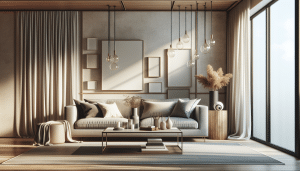
One of the most powerful tools in minimalist home decor is color. The right palette sets the entire mood of a room. Minimalist interiors commonly feature whites, soft grays, muted beiges, and light earth tones. These subtle hues visually expand the space and reflect natural light beautifully. Color psychology experts say such tones evoke calmness, balance, and openness. Mixing different shades of the same color—layering whites or grays—creates depth and warmth without visual clutter. It’s the foundation for a peaceful minimalist aesthetic (Source: https://www.ncbi.nlm.nih.gov/pmc/articles/PMC7283926/).
Accent colors, when used sparingly, can add personality to a minimalist space. Deep green from a potted plant, muted blush in a throw pillow, or natural wood grains on furniture serve as subtle highlights. The trick is to avoid bold, clashing colors or busy patterns. Instead, keep one or two accent shades consistent throughout the home for harmony. Remember, an uncluttered color palette is key to minimalist design. Even art and accessories should relate to the central palette for the most cohesive visual impact.
Lighting also plays a crucial role. Minimalist spaces benefit greatly from natural light, so consider sheer window treatments or strategic placement of mirrors. Adjustable lamps with white or soft yellow bulbs enhance the serene atmosphere. Aim for clarity and softness rather than stark contrast or harsh overhead lighting. When color and light are in harmony, the space feels larger, brighter, and more welcoming—without the need for excessive ornamentation or decoration.
Minimalist Furniture and Smart Space Solutions
Selecting furniture for a minimalist home is all about function and form. Look for pieces with clean lines, smooth surfaces, and unobtrusive profiles. Furniture should be practical yet aesthetically pleasing—think a streamlined sofa, a low-profile coffee table, or sleek chairs with no ornate carvings. Aim for multi-functional pieces, like ottomans with storage or nesting tables, as they serve dual purposes and reduce the need for excess items. This method makes everyday living more convenient and keeps spaces visually open.
Quality matters more than quantity. Investing in one well-built table, a comfortable sofa, or a solid bed frame usually brings more joy and satisfaction than accumulating many lesser-quality items. Minimalist homes often feature furniture made from natural materials like wood, wool, linen, or stone. These elements introduce a warm, organic touch while maintaining the understated look that defines minimalist style. Modular shelving and wall-mounted storage keep the floor uncluttered and maximize vertical space (Source: https://www.archdaily.com/924688/the-benefits-of-minimalism-in-interior-architecture).
Even small apartments or shared spaces can adopt minimalist principles. Opt for foldable desks, under-bed drawers, or built-in shelves to keep essentials organized but out of view. Decluttering physical possessions, minimizing the number of gadgets, and stowing seasonal or rarely used items help maintain a restful, spacious atmosphere at home. The minimalist approach doesn’t mean empty rooms—it means every item is intentional, beautiful, and useful.
Decluttering Habits for Everyday Minimalist Living
Transforming a home into a minimalist haven starts with practical decluttering habits. One approach is the “one in, one out” rule: for every new item brought into the home, remove one existing item. Set aside time monthly to review wardrobes, kitchen tools, and decor for duplicates or neglected pieces. Consider donating, recycling, or selling what no longer fits your lifestyle or brings joy. By treating decluttering as an ongoing process, spaces remain comfortable and stress-free.
Organization solutions make all the difference. Simple baskets, concealed cabinetry, and stackable bins provide storage without adding chaos. Clear surfaces, organized drawers, and built-in closets encourage a habit of tidiness. Use digital solutions for paperwork and receipts to reduce physical clutter. Reducing visible belongings leads to a home environment that feels easier to clean and more restful to the senses (Source: https://www.nytimes.com/guides/smarterliving/how-to-clean).
Minimalism doesn’t require perfection. Life can still have its messes and sentimental items. But regular editing and mindful acquisitions mean clutter never builds up to an overwhelming level. Many people find this approach liberating, as it shifts the focus from owning to living, allowing more time to appreciate loved ones, hobbies, and experiences that add meaning without adding material excess.
Styling Minimalist Rooms for Comfort and Personality
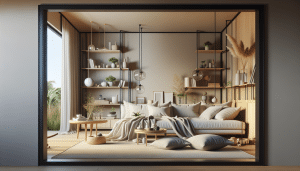
Minimalist homes thrive when the decor balances comfort, functionality, and individual character. Textiles such as cozy throws, soft rugs, and natural fiber cushions add warmth without visual chaos. Choose a few cherished objects—like a favorite book, a handmade vase, or meaningful artwork—to personalize the space. These curated touches express individuality while honoring the “less is more” philosophy. Even a single plant or statement lamp can transform an otherwise simple room into a unique sanctuary.
Layering is key for texture and interest. Combine crisp cotton with chunky wool, matte ceramics with smooth glass, or rustic wood with polished metal. Restraint keeps things serene: avoid over-accessorizing, keep wall art to a few select pieces, and leave space for the eye to rest. Plants are a minimalist’s friend; a potted succulent, snake plant, or small tree brings a subtle pop of color and a sense of life to the decor (Source: https://www.gardeners.com/how-to/houseplant-care/8613.html).
Minimalist styling encourages you to experiment over time. Swap accessories seasonally, or rearrange furniture for a fresh look. Consider the flow of movement in each room—the goal is ease, comfort, and beauty in harmony. When in doubt, remember: it’s about less, thoughtfully chosen, and deeply enjoyed.
Creating Calm: Minimalism’s Impact on Wellness
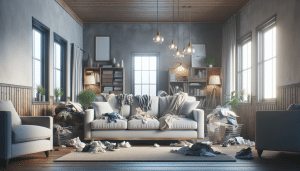
It’s not just appearance—minimalist home decor influences mental wellness and emotional health. Research shows that cluttered environments can contribute to stress, anxiety, and reduced focus. Minimalism, by contrast, encourages relaxation and a sense of control over the space. Clean, open surfaces support mindfulness, making it easier to meditate, focus on hobbies, or simply breathe deeply without distraction (Source: https://www.ncbi.nlm.nih.gov/pmc/articles/PMC6617405/).
Minimalist living also fosters more intentional routines and healthier habits. With fewer distractions and streamlined storage, it’s simpler to clean, cook, and rest. Many families notice they spend more time together in shared spaces, less time searching for misplaced items, and more time outdoors or engaged in activities. The minimalist home becomes a supportive foundation for both personal and interpersonal growth.
Ultimately, minimalism functions as a tool for well-being. By focusing on essentials—quality rest, nourishing meals, meaningful relationships—a calm, clutter-free home supports body and mind. For many, this journey continues to unfold over years. The key is intention and enjoyment, not rigid rules, making minimalism accessible for anyone seeking a peaceful, functional home environment.
References
1. American Psychological Association. (2019). Minimalism and mental well-being. Retrieved from https://www.apa.org/monitor/2019/01/ce-corner
2. Becerra, J.M., et al. (2020). Colors for Health and Well-Being: Color Psychology in Minimalism. Retrieved from https://www.ncbi.nlm.nih.gov/pmc/articles/PMC7283926/
3. ArchDaily. (2020). The Benefits of Minimalism in Interior Architecture. Retrieved from https://www.archdaily.com/924688/the-benefits-of-minimalism-in-interior-architecture
4. The New York Times. (n.d.). How to declutter and clean your home. Retrieved from https://www.nytimes.com/guides/smarterliving/how-to-clean
5. Gardener’s Supply Company. (n.d.). Tips on Houseplant Care. Retrieved from https://www.gardeners.com/how-to/houseplant-care/8613.html
6. Saxbe, D. E., & Repetti, R. L. (2019). No Place Like Home: Home Tours Correlate With Daily Patterns of Mood and Cortisol. Retrieved from https://www.ncbi.nlm.nih.gov/pmc/articles/PMC6617405/

 Why Artificial Intelligence Keeps Outpacing Expectations