You Can Refresh Any Space With Minimalist Living
Amira Solberg September 26, 2025
Curious about how minimalist living can totally transform your daily life and living spaces? Dive into this comprehensive guide to discover practical steps, design trends, and mindset shifts that help create a calm, clutter-free lifestyle that supports both mental clarity and joy.
Why Minimalist Living Captures Attention
Minimalist living has risen in popularity, attracting attention for its promise of simplicity, balance, and functional elegance. The concept invites you to strip away the unnecessary, focusing instead on essentials that add true value to daily routines. This isn’t about sacrificing comfort or style. Instead, it’s about finding freedom in owning less, emphasizing quality over quantity. People interested in home organization or decluttering often turn to minimalist living as a reliable solution for overwhelmed spaces and minds. Decluttering reduces daily stress and makes everyone feel lighter, even on ordinary days.
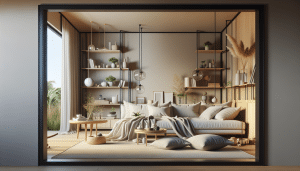
Many are drawn to minimalist decor for its clean lines and calming effect. Uncluttered surfaces, neutral color palettes, and carefully chosen pieces create a tranquil environment where the mind can rest. Homeowners and renters alike have experimented with contemporary minimalist designs, from Scandinavian-inspired living rooms to sustainable, zero-waste kitchens. With increased attention on wellness, the minimalist lifestyle naturally supports habits that foster mental well-being and intentional living. When distractions are removed, focus is easier to maintain.
What’s especially compelling about minimalism is its accessibility. Anyone, regardless of budget or space, can begin to practice a minimalist approach. There are no rigid rules—just guiding principles that can be adapted to unique lifestyles. Organizing a small closet, redesigning a living room, or downsizing to a smaller home are all possible with a minimalist mindset. This flexibility makes minimalist living one of the most-inclusive lifestyle movements today. People appreciate that it can be tailored to suit evolving tastes and personal needs.
The Core Principles Behind Minimalism
At its essence, minimalist living revolves around mindful consumption and intentional design. Minimalism asks: What brings true happiness, and what only adds noise? Many adopt the “less is more” philosophy in all areas—furniture, clothing, entertainment. This method extends to digital life as well. Digital minimalism encourages the decluttering of phone screens, limiting unnecessary notifications, and focusing on content that inspires joy or productivity. These principles help shape routines that feel lighter and more aligned with personal values.
Minimalism is not a one-size-fits-all approach. Some may prefer totally sparse interiors, while others incorporate a select few sentimental items for warmth. The key is consistent evaluation of what genuinely enhances daily life versus what takes up mental and physical space. Minimalist advocates often discuss the joy of letting go. The act of releasing physical objects can mirror an emotional lightness. For many, this fosters personal growth, greater satisfaction, and a sense of control over their environment.
Practical minimalism goes beyond aesthetics. It supports sustainability and financial awareness as people buy less and focus on lasting quality. Homebuyers report fewer impulse purchases and a bigger appreciation for craftsmanship. Families practicing minimalist living often experience less conflict over chores or shared spaces since everything has a clear purpose and place. These benefits ripple outward, impacting how people approach their time, relationships, and goals.
Step-by-Step Guide for Decluttering Your Home
Starting the decluttering journey works best when done in stages, focusing on one room or category at a time. Begin by assessing high-traffic areas such as entryways or living rooms. Remove visible clutter first—old mail, unused electronics, or decorative pieces that no longer inspire. Sorting items into distinct categories—keep, donate, recycle—can make decision-making easier. Many find the process unexpectedly emotional, which is perfectly normal. Each item released creates more room for restful spaces and treasured belongings.
Minimalist organization is about more than bare shelves. It involves reconsidering storage solutions, so essential items are both easy to access and pleasing to the eye. Consider using baskets, labeled boxes, or multi-purpose furniture. Open shelving can display a handful of favorite books or ceramics while preventing the accumulation of excess. The goal is to make daily routines—like locating keys or prepping dinner—simpler and more enjoyable. This approach often reveals unused spaces that can become functional nooks or moments of beauty in the home.
One effective decluttering strategy involves the one-in, one-out rule. Whenever something new enters the home, a similar item leaves, ensuring that belongings remain manageable. Seasonal reviews also help maintain minimalism by encouraging reassessment of what’s still needed or valued. Individuals who persist with regular decluttering often notice a decrease in anxiety and an increase in gratitude for what remains. Over time, these habits reinforce a cycle of mindful consumption and purposeful design that benefits both the home and its inhabitants.
Designing Rooms With a Minimalist Touch
Minimalist interior design — whether in the living room, kitchen, or bedroom — prioritizes open, airy atmospheres free from excessive ornamentation. Favorite minimalist palettes often include whites, soft grays, and natural tones, echoed in both furniture choices and decor. Textures, rather than patterns or colors, bring warmth to each room. Incorporating soft throws, smooth wood finishes, or linen cushions can add comfort without visual clutter. Minimalist lighting, like subtle LED strips or statement pendant lights, amplifies the calming effect of intentional design.
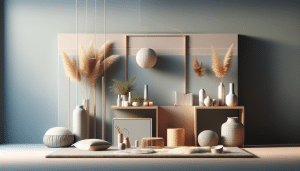
Every piece in a minimalist room serves a dual purpose: form and function. Instead of cramming shelves with trinkets, select a few pieces of art or sculpture to make a statement. Furniture should be both inviting and practical, with hidden storage or expandable elements maximizing space. For those in urban apartments or shared homes, minimalism offers versatile solutions that keep spaces adaptable for entertaining, work, or quiet moments alone. This flexible approach supports well-being and encourages appreciation for quality craftsmanship.
Minimalist living often champions eco-consciousness. Sustainable materials such as reclaimed wood, bamboo, and organic cotton are popular in minimalist homes. Whenever possible, repurposing existing items or upcycling furniture strengthens the sustainable aspect of minimalism. Indoor plants are a gentle addition, purifying air while adding subtle life to spare corners. Those living in small city spaces or eco-friendly communities frequently note how minimalist interiors foster deeper connections with both environment and inhabitants.
Minimalism and Mindfulness: The Wellness Connection
Research consistently links minimalist spaces with reduced stress and improved attention. The absence of clutter allows minds to focus, supporting clarity in work, social gatherings, or relaxation. Experts in wellness often emphasize creating “restorative spaces” at home to support meditation, reading, or restorative hobbies. Practicing gratitude—by appreciating each item’s story or purpose—extends the meditative aspect of minimalism. Minimalist living doesn’t require perfection, only ongoing intention and presence in daily habits.
Minimalist routines empower healthy behavior changes. For example, meal prepping in a clutter-free kitchen makes cooking more enjoyable and less wasteful. A simple wardrobe reduces decision fatigue, making it easier to choose outfits for any occasion. Mindful purchasing—focusing only on what’s needed and loved—translates into financial savings and a stronger sense of self-knowledge. Many find that as home environments improve, sleep quality rises and emotional resilience grows. Small, mindful acts build momentum for lasting positive change.
Technology use can also become more intentional through minimalism. Removing unused apps, unsubscribing from unwanted emails, and focusing screen time on hobbies or learning supports mental clarity. The minimalist mindset applies equally to digital and physical life. As routines simplify, it becomes easier to prioritize important relationships and activities. In turn, mental bandwidth increases for creativity, problem-solving, and restful breaks. This highlights that minimalist living is about overall lifestyle wellness, not just interior design.
Minimalist Entertainment and Social Life
Minimalist living extends beyond the home into the realm of entertainment and social gatherings. Experiences, rather than things, form the heart of minimalist recreation. For many, this means hosting intimate dinner parties, outdoor picnics, or creative workshops with close friends. The focus shifts from extravagant displays to genuine connection and conversation. This approach often results in richer, more meaningful memories with less preparation required. Simplicity allows for spontaneity and stress-free enjoyment, regardless of occasion.
Minimalist entertainment values quality over novelty. Watching a favorite film in a clean, inviting space often feels more restorative than keeping up with the latest trends. Board games, book clubs, or group hobbies fit perfectly in minimalist settings, providing shared enjoyment without excess. Cultural outings—like visiting art galleries, community events, or outdoor concerts—align with the minimalist emphasis on experiences and learning over accumulating possessions. This makes entertainment accessible and deeply fulfilling.
Choosing minimalist entertainment helps reduce decision fatigue. With fewer distractions, it’s easier to stay present with friends and family. This also encourages greater participation—everyone feels invited to add their own touch to the event. Minimalist social life doesn’t mean sacrificing fun, just reimagining it to suit new values. The result? Less clutter, more laughter, and stronger connections, all fueled by intentional living and thoughtful gathering.
References
1. National Institutes of Health. (n.d.). Minimalism and mental health: The effect of physical environments. Retrieved from https://www.ncbi.nlm.nih.gov/pmc/articles/PMC6087896/
2. American Psychological Association. (n.d.). How clutter affects your brain and stress levels. Retrieved from https://www.apa.org/news/press/releases/2019/02/clutter-stress
3. Harvard Health Publishing. (n.d.). Simple living: The wellness connection. Retrieved from https://www.health.harvard.edu/mind-and-mood/minimalism-and-mental-health
4. Environmental Protection Agency. (2019). Sustainable materials management. Retrieved from https://www.epa.gov/smm
5. The Minimalists. (n.d.). Minimalism: A documentary about the important things. Retrieved from https://www.theminimalists.com/documentary/
6. Mayo Clinic. (n.d.). Reducing stress with organized spaces. Retrieved from https://www.mayoclinic.org/healthy-lifestyle/stress-management/expert-answers/organization/faq-20058115

 Unlocking Your Potential with Lifelong Learning