Simple Ways You Can Elevate Everyday Living
Amira Solberg September 24, 2025
Curious about making daily life feel inspiring without needing a major lifestyle overhaul? Discover practical and fun ways to infuse joy, creativity, and balance into everyday routines. This guide helps you explore trends, mindful habits, home design tips, tech hacks, and entertainment options that can genuinely upgrade your quality of life.
Bringing Mindfulness into Everyday Routines
Today’s lifestyle often feels cluttered and rushed. Yet, several studies highlight the positive impact of mindfulness practices woven naturally into daily routines. Simple actions, such as pausing before meals, being attentive while performing morning care, or taking a few minutes to focus on breathing, can create space for reflection. These small changes, while easy to implement, help reduce stress levels and boost overall satisfaction. Mindful living has become a popular trend in modern wellness culture, resonating with those seeking deeper presence rather than just productivity.
Implementing mindfulness doesn’t require special equipment or complex schedules. People often turn to digital reminders, breathing apps, or journaling tools to support consistency. The key lies in subtlety—choosing one or two moments each day for intentional presence can have a cumulative, uplifting effect. The growing movement around mindful mornings and evenings invites individuals to experiment with gratitude journaling, gentle yoga stretches, or simply noticing the sensations of a hot shower, reinforcing the joy of being present rather than hurried.
Over time, mindful living impacts not just mood but also decision-making and creativity. Regular pause points make one more aware of small joys—like the aroma of coffee or the comfort of soft blankets. Research even links mindful habits to improved sleep quality and lower levels of anxiety. Integrating mindfulness into various lifestyle activities is both practical and rewarding, serving as a gentle reminder that every day offers opportunities to find meaning and enjoyment. Explore more about the science behind mindfulness with resources like https://www.mindful.org/mindfulness-how-to-do-it/.
Curating a Personal Space That Inspires
The design of personal living spaces significantly shapes mood and productivity. A thoughtfully arranged room, filled with natural light and clutter-free zones, can uplift energy and motivate creative pursuits. Interior experts often recommend introducing elements such as cozy textures, plants, and personal art to infuse warmth and inspiration. Rearranging furniture to improve the flow of activity may seem minor, yet it triggers a subtle sense of renewal and delight when spending time at home.
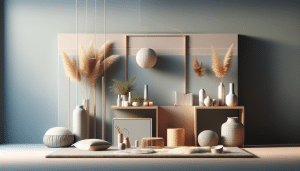
Minimalism remains a compelling trend in lifestyle and entertainment spaces, offering freedom from visual chaos. Decluttering surfaces, displaying only meaningful items, or even creating a calming nook for reading or reflection brings calm into daily life. For those working from home, designating a specific corner as a productivity zone—with organized supplies and good lighting—balances work and relaxation. Adding nature-inspired decor, such as dried flowers or a small water feature, also creates an appealing, serene backdrop for both work and leisure activities.
Personalizing living spaces is more than a passing fad. Studies have found that enjoying a tailored home environment can improve sleep, lower stress, and increase feelings of control and wellbeing. Simple DIY projects like crafting wall hangings or upcycling old furniture allow for creativity while building attachment to your space. For renters or those with limited budgets, temporary options like peel-and-stick wallpaper, affordable throw pillows, or rearranged shelving offer a low-risk, high-reward way to experiment with home design trends. Learn more about the psychological impact of home design from institutions such as https://news.harvard.edu/gazette/story/2021/02/the-psychology-of-home-interiors/.
Entertainment Trends to Refresh Your Routine
A vast range of entertainment choices—streaming platforms, podcasts, virtual classes—means there’s always something new to explore for relaxation and discovery. With so many options, intentional curation of content can lead to more satisfying experiences. Finding shows or games that match your interests greases the wheel of downtime and encourages meaningful engagement. The surge in podcast listenership, for example, lets anyone learn, laugh, or be inspired while commuting or completing chores.
Group entertainment also remains relevant, whether it’s tuning into a live concert stream, joining a virtual book club, or organizing game nights (offline or online) with friends. These collective experiences foster social connection, even when distance separates participants. Technology now provides abundant opportunities for shared moments, from co-watching movies remotely to playing interactive trivia. Curating a weekly themed night, such as documentary Tuesdays or homemade pizza Fridays, can turn routine evenings into anticipated highlights of the week.
For those seeking fresh ideas, exploring genres outside your usual favorites—like world cinema or indie music playlists—can shake up expectations and spark creativity. Entertainment isn’t just passive; engaging in craft kits, cooking challenges, or dance tutorials mixes learning and fun, making leisure both restorative and skill-building. Cultural institutions, including museums and theaters, frequently offer digital exhibits and performances as accessible, at-home entertainment choices. For more on changing entertainment preferences, consult recent publications by the https://www.pewresearch.org/internet/2023/05/18/the-evolving-landscape-of-entertainment/.
Healthy Habits That Fit Modern Lifestyles
Incorporating movement and nutrition into busy schedules can seem daunting, but small shifts often yield substantial gains. Many people discover that habits such as daily stretching, meal prepping, or walking during phone calls support sustained wellness. Rather than extensive workouts, micro-movements—five-minute bursts of activity, stretching between meetings—contribute to long-term health. Exploring diverse forms of exercise, like online yoga classes, dance, or even urban gardening, keeps routines interesting and accessible for all ability levels.
Food trends like plant-based meals, batch cooking, and smoothie preparation have grown in popularity for their simplicity and health appeal. People searching for sustainable improvements gravitate toward locally sourced ingredients, seasonal produce, or meal plans tailored to reduce food waste. Technology assists here as well—nutrition tracking apps and virtual fitness challenges encourage accountability and community support, making it easier to stick with positive habits.
Embracing healthy living is less about perfection and more about making supportive choices most of the time. Allowing room for flexibility, experimentation, and joy makes wellness sustainable. Social media communities and wellness blogs offer practical guidance, recipe ideas, and motivation—helping users overcome the myth that healthy habits are all-or-nothing. For credible advice on maintaining lifestyle-friendly fitness and nutrition, see resources by the https://www.cdc.gov/physicalactivity/basics/index.htm and https://www.eatright.org/food/nutrition.
The Role of Technology in Everyday Enjoyment
Technology’s clever integration into daily life brings evolution, not just distraction. Smart home assistants, personalized playlists, and health apps offer ways to simplify routines and make leisure more enjoyable. Devices like smart speakers can create the right ambience with a single voice command—think calming rain sounds at bedtime or energizing playlists during workouts. Automation, from lighting to grocery lists, gives control back to users while carving out more time for meaningful hobbies and interactions.
Social connection is another space where technology shines. Group messaging, video calls, and collaborative playlists link friends and family across time zones. Shared streaming sessions, family photo albums, or interactive games help maintain bonds, even in remote environments. Technology also opens doors to global resources for creative learning—a virtual painting class, language exchange, or skill-sharing workshop is only a few clicks away, breaking down traditional barriers to growth and entertainment.
That said, experts emphasize the benefits of mindful tech use. Scheduled digital detoxes, device-free meals, and curated notification settings enhance enjoyment and prevent overload. Thoughtful use of digital tools means maximizing the positives while minimizing interruptions and fatigue. Blending technology with human intention is an increasingly popular approach to achieving a balanced, engaging lifestyle. For real-life tech and lifestyle integration strategies, consult research from sources like https://www.apa.org/news/press/releases/2019/10/technology-social-media-use.
Exploring Creativity Through Everyday Hobbies
Creativity isn’t just for artists. Everyday people bring creativity into their lives with activities such as journaling, cooking new dishes, or building simple DIY projects. Hobbies give a sense of accomplishment and relaxation. Approaching routine tasks—like gardening, lettering, or photography—through a creative lens sparks joy and fosters self-discovery. Research supports the idea that creative engagement leads to improved wellbeing and resilience against stress.
Trying out different hobbies, especially those outside traditional comfort zones, nurtures curiosity and adaptability. Seasonal shifts offer fresh opportunities—think watercolor painting in spring or knitting in winter. Social hobbies, including group puzzles or collaborative music making, encourage connection and shared laughter. Even five minutes spent doodling at your desk can shift perspective and recharge mental energy.
Those seeking structure can access a wealth of free online tutorials, challenge prompts, and local clubs. Schools, libraries, and community centers often host workshops for all ages and interests. Documenting creative projects—through photo journaling or scrapbooks—becomes a source of ongoing pride. For more information on the role of creative hobbies in lifestyle enrichment, the https://www.arts.gov/about-nea/our-mission is a useful resource.
References
1. Mindful Staff. (n.d.). Mindfulness: How to Do It. Retrieved from https://www.mindful.org/mindfulness-how-to-do-it/
2. Harvard Gazette. (2021). The Psychology of Home Interiors. Retrieved from https://news.harvard.edu/gazette/story/2021/02/the-psychology-of-home-interiors/
3. Pew Research Center. (2023). The Evolving Landscape of Entertainment. Retrieved from https://www.pewresearch.org/internet/2023/05/18/the-evolving-landscape-of-entertainment/
4. Centers for Disease Control and Prevention. (n.d.). Physical Activity Basics. Retrieved from https://www.cdc.gov/physicalactivity/basics/index.htm
5. Academy of Nutrition and Dietetics. (n.d.). Nutrition. Retrieved from https://www.eatright.org/food/nutrition
6. American Psychological Association. (2019). Why We Use Technology and Social Media. Retrieved from https://www.apa.org/news/press/releases/2019/10/technology-social-media-use

 Rising Voices Shaping The News You Read