Simple Secrets for Creating a Mindful Home
Amira Solberg September 29, 2025
Discover the transformative power of mindful living at home. This guide explores easy techniques, design tips, and daily routines that foster tranquility, improve well-being, and help create sanctuary spaces everyone can enjoy.
Understanding Mindful Living in Home Spaces
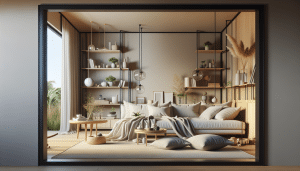
Mindful living isn’t just a trend—it’s a lifestyle choice making waves in wellness and entertainment spaces. At its essence, mindful living means purposefully designing your home and routines to cultivate a sense of calm and presence. Imagine stepping into your living room and instantly feeling grounded. That’s the mindful home effect. People crave a space that calms the senses and invites relaxation after long, busy days. The journey to achieving this starts with awareness—looking at your living environment and asking if it truly supports your needs for rest and well-being.
It’s not about perfection or expensive renovations. Mindful living at home starts with small, thoughtful changes. Maybe it’s rearranging furniture to allow sunlight to flood in, or adding a cozy reading nook by a window. Mindful spaces emphasize balance—balancing color, light, and air. Encouraging open layouts and decluttering can spark feelings of spaciousness and peace. These subtle adjustments, grounded in ancient wellness principles, empower the mind to unwind and help reduce daily stress. Even a scent—a hint of lavender or cedar—can anchor the mind to a happy, restful moment.
Many find that embracing a mindful home leads to better health outcomes. Studies highlight how environmental cues—like natural light or soft textures—have calming effects, especially when combined with daily mindfulness practices like gentle stretching or deep breathing. Building a mindful home can improve sleep, concentration, and resilience to stress. It creates an environment where positive habits take root, and wellness becomes a seamless part of your everyday routine (Source: https://www.ncbi.nlm.nih.gov/pmc/articles/PMC6779201/).
Decluttering: Clearing Space for Tranquility
Decluttering is more than just tidying up; it’s a core aspect of creating a mindful home. Letting go of old magazines, surplus décor, or rarely-used gadgets invites a sense of clarity. Imagine a surface wiped clean, a shelf with only your favorite books, art, or plants. These changes instantly shift energy throughout your home, supporting calm and creativity. Minimalist design isn’t just about looks—it’s about emotional freedom and clarity of thought. The fewer distractions, the easier it is to feel soothed by your space and focus on what matters.
Research shows cluttered environments elevate cortisol—a stress hormone—and can create feelings of overwhelm. By systematically removing excess, you build wellness into your environment, making relaxation a natural experience. Decluttering techniques can be as simple as the one-in, one-out rule: each time a new item enters, another leaves. Gradual decluttering, rather than marathon sessions, feels less daunting and more sustainable. The popularity of organization methods like the KonMari or Swedish death cleaning demonstrates the broad appeal of these calming routines (Source: https://www.ncbi.nlm.nih.gov/pmc/articles/PMC8879083/).
Engaging with decluttering can transform emotional well-being. Many find renewed joy, greater appreciation for belongings, and more time for entertainment and hobbies once spaces are streamlined. Hosting movie nights or meditation sessions feels easier—and more enjoyable—when every item in the room has purpose. Plus, fewer possessions mean easier cleaning, freeing up time for spontaneous fun at home. Each item left in your space should support your lifestyle and spark a sense of peace or happiness.
Incorporating Nature and Light into Your Home
Biophilic design has captured attention in both wellness and entertainment circles. This design approach—rooted in our innate love for the natural world—emphasizes bringing nature indoors. Simple steps like adding houseplants, using natural wood furniture, or opening blinds to let in sunlight foster a lively and tranquil environment. Small changes, such as placing a jade plant on your desk or arranging a bouquet of wildflowers in the dining room, breathe life into the space. Fresh air and natural elements signal the brain to relax and recharge.
Exposure to natural light is especially important. Studies find that access to sunlight boosts mood, energy, and even cognitive function. When rearranging a living space, consider how furniture position and window coverings affect daylight. Sheer curtains, lighter wall colors, and unobstructed windows are simple upgrades that maximize sunlight. For entertainment purposes, rooms bathed in light feel open, inviting guests to linger, read, craft, or enjoy board games together. The inclusion of nature and light turns everyday routines into special moments (Source: https://www.nps.gov/articles/learn-nature-connection.htm).
Incorporating nature goes beyond décor. Nature soundtracks, such as birdsong or gentle rain, can create a calming backdrop for work or relaxation. Even the aroma from fresh herbs on a kitchen windowsill or the feel of stone coasters at the coffee table can elevate mood and bring calm. These elements, when integrated thoughtfully, inspire ongoing creativity and a sense of harmony that makes the home feel like a true sanctuary.
Rituals and Routines for Daily Joy
A mindful home thrives on intentional rituals woven into daily routines. These need not be elaborate. Savoring morning coffee in a favorite chair, lighting a candle at dusk, or closing each day with a gratitude list—all reinforce a sense of presence and joy. These small acts punctuate the day with calm and purpose. When daily routines are thoughtfully designed, it’s easier to transition from work to relaxation and find small moments for mindfulness, even amid a busy schedule.
In family or shared households, group rituals build togetherness. Preparing meals together, holding regular game nights, or morning stretches in the living room are ways to embed fun and laughter into daily life. These shared experiences are a source of entertainment, plus they support strong emotional bonds and positive communication. Rituals also help cue the body and mind for rest—scented bedtime routines, gentle music, or dim lighting in the evening can prepare everyone for restorative sleep (Source: https://sleepfoundation.org/sleep-hygiene).
Personal rituals matter too. Taking time to journal, create art, or practice meditation turns your living space into a haven for creative recharge. Homes that value mindfulness and intentional routines often report lower stress levels and greater satisfaction. By aligning simple habits with your home’s flow, every day can include bursts of inspiration, relaxation, and easy-to-reach entertainment.
Designing for Senses: Color, Texture, and Sound
The atmosphere in a mindful home comes from touching all the senses. Carefully chosen colors can energize or calm. Soft, cool hues in bedrooms promote sleepiness while warm colors in dining areas spark lively conversation. Natural textures, like linen throws or sisal rugs, add comfort. Each detail, from smooth wooden picture frames to the plushness of couch cushions, serves as a gentle reminder to pause and enjoy the present moment.
Sound design is often overlooked, but it matters. The gentle hum of a water fountain, a playlist of relaxing ambient music, or even the quiet tick of a clock can help anchor attention and regulate mood. Sound-absorbing materials, such as heavy curtains or cushy rugs, ease harsh echoes, making rooms feel calm and intimate. For those who love entertainment—movie nights or gaming sessions—acoustic touches enhance the experience while reducing background stress (Source: https://www.apa.org/topics/stress/health).
Even scent is crucial. Diffusing essential oils, placing fresh citrus on the windowsill, or baking bread all contribute to a comforting sensory environment. Scents can evoke nostalgia, invite mindfulness, and transform ordinary moments into memories. By being deliberate with sensory choices, your home becomes a multisensory retreat—a place that entertains, rejuvenates, and inspires with every detail.
Mindful Technology and Digital Entertainment Choices
Digital life is here to stay and can co-exist with a mindful home. Consider setting dedicated technology zones or time blocks for digital entertainment, so screens support—rather than dominate—daily routines. Mindful technology integration means curating content, only allowing positive and entertaining media to flow into the home. Streaming calming music, nature documentaries, or guided meditation apps can elevate downtime and create engaging, peaceful experiences for the whole family.
Experts suggest mindful tech breaks. Putting devices away at certain hours helps everyone reconnect in real-time. Having a digital curfew—an hour before sleep—can greatly enhance overall restfulness. Instead of scrolling through endless news feeds, consider a mindful movie night, interactive board games, or creative pursuits like drawing apps. This approach nurtures balance and creates more opportunities for meaningful entertainment and connection (Source: https://childmind.org/article/healthy-technology-use-habits-for-families/).
Mindful technology use is also about design. Smart bulbs, programmable speakers, or relaxation apps can be set to match mood and time of day. When used thoughtfully, technology can become a source of inspiration and creativity, helping everyone stay present, entertained, and centered. The key is embracing digital life in a way that complements the mindful atmosphere of the entire home.
References
1. An, M. & Colarelli, S. (2019). Design factors associated with stress reduction in the home environment. Retrieved from https://www.ncbi.nlm.nih.gov/pmc/articles/PMC6779201/
2. Saxbe, D. E., & Repetti, R. L. (2022). No place like home: Home environment stress and mental health. Retrieved from https://www.ncbi.nlm.nih.gov/pmc/articles/PMC8879083/
3. National Park Service. (n.d.). The Human Connection to Nature: Biophilia. Retrieved from https://www.nps.gov/articles/learn-nature-connection.htm
4. Sleep Foundation. (n.d.). Healthy Sleep Tips. Retrieved from https://sleepfoundation.org/sleep-hygiene
5. American Psychological Association. (n.d.). Stress effects on the body. Retrieved from https://www.apa.org/topics/stress/health
6. Child Mind Institute. (n.d.). Healthy Technology Use Habits for Families. Retrieved from https://childmind.org/article/healthy-technology-use-habits-for-families/

 Ways You Can Transform a Small Living Space