Secrets You Didn’t Know About Collagen for Radiant Skin
Sofia Marquez September 25, 2025
Curious about what helps maintain firm, youthful skin? Many look to collagen for radiant skin, but there’s much more beneath the surface. Discover how lifestyle choices, nutrition, and cutting-edge treatments all play roles in supporting lasting beauty and wellness from within.
Understanding Collagen’s Role in Skin Wellness
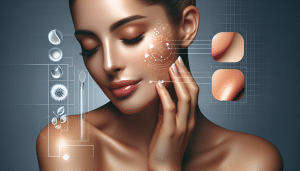
Collagen is a structural protein that shapes, strengthens, and helps maintain the elasticity of your skin. As the body’s most abundant protein, collagen forms networks deep in the dermis, acting as scaffolding that gives your skin resilience and support. With age, natural collagen production declines, which can lead to visible signs of aging such as fine lines and sagging. These changes are a normal part of aging, but emerging research continues to unveil how collagen impacts skin’s appearance, fueling widespread interest in collagen-rich foods, skincare routines, and supplements for radiant, healthy-looking skin.
Scientists have found that environmental factors, like UV exposure, pollution, and even stress, can accelerate collagen breakdown. Simple measures like wearing sunscreen, getting adequate sleep, and eating a nutrient-dense diet may play protective roles. The focus on holistic beauty encourages a balanced approach—combining topical skin products with routines that address overall wellness for longer-lasting, more radiant skin.
Collagen is not just about outward beauty. It also supports tissue healing, joint comfort, and gut health, making it central to whole-body wellness. With so many products touting collagen benefits, it’s helpful to understand what actually supports natural collagen synthesis and how lifestyle habits can make a genuine difference.
The Science Behind Collagen Loss and Aging
One critical factor influencing skin aging is the gradual decrease of collagen and elastin fibers with age. The body’s ability to regenerate collagen slows in your twenties and beyond, producing a natural shift in skin structure. While some of this is genetically determined, external stressors—like tobacco smoke or excessive sun—can intensify the process, making prevention an important subject in skin science. For example, scientists highlight how targeted antioxidants may help reduce damage and support healthy collagen.
In today’s culture of preventive wellness, many seek to address these concerns early. Not every product or routine is created equal though. While collagen molecules are generally too large to penetrate the outer skin layer, certain peptides and micronutrients can support healthy collagen metabolism from within. These insights, revealed in clinical trials, shape the trend of combining ingestible collagen sources with skincare routines for visible results. People may notice gradual improvements in moisture retention, firmness, and overall radiance.
New cosmetic treatments such as microneedling, LED therapy, and fractional lasers aim to stimulate the body’s production of natural collagen. Unlike traditional creams, these treatments work below the surface and are supported by research from dermatology organizations. However, such therapies are not for everyone—gentle, everyday strategies like balanced nutrition can produce sustainable results for most.
Daily Habits That Help Protect Collagen
Many underestimate how simple daily habits can make a noticeable difference in preserving skin’s elasticity and youthfulness. Shielding your skin from overexposure to sunlight is one foundational strategy—ultraviolet rays are known to generate free radicals that hasten collagen breakdown. By consistently applying broad-spectrum sunscreen, individuals can help delay signs of photoaging. Additionally, adequate hydration is a quiet hero. Drinking plenty of water supports cell health, making skin appear more supple and refreshed.
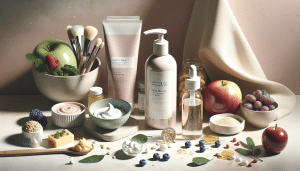
Nutrition also plays a major role in collagen maintenance. Diets high in colorful fruits and vegetables provide the body with antioxidants like vitamins C and E, both needed for healthy collagen formation. Citrus fruits, bell peppers, kale, and strawberries are particularly effective at helping the body produce and repair collagen. Equally important, limiting sweets and ultra-processed foods is suggested by nutrition experts because too much sugar can disrupt normal collagen metabolism, a process called glycation.
Other self-care strategies include stress management and ample restorative sleep. Chronic stress is associated with increased production of certain hormones that can degrade collagen. Relaxation techniques like meditation or gentle exercise—such as yoga—are recommended by wellness practitioners to counteract these effects. Altogether, making conscious lifestyle choices builds a foundation for healthier, more resilient skin at any age.
Collagen Supplements and Skincare: What the Evidence Shows
Collagen supplements are everywhere, from powders to capsule form. Their rising popularity stems from emerging studies suggesting some positive effects for skin hydration, elasticity, and the appearance of wrinkles. Marine collagen, bovine collagen, and vegan collagen boosters are all formulated differently, but share a common goal: to deliver amino acids that the body can use for collagen repair. Dermatologists emphasize that not all products are created equal and that actual benefits may depend on the type, formulation, and dosage.
Topical collagen-containing creams and serums are also widely marketed in the beauty industry. While the larger collagen protein is unlikely to enter the deep layers of the skin, smaller molecules—like peptides—have shown some promise in laboratory settings by signaling skin cells to increase collagen production. Nonetheless, these products work best when paired with sun protection and healthy lifestyle habits. Beauty enthusiasts and professionals alike agree that a holistic approach supports longer-lasting results than any single topical product.
Transparency is key when choosing supplements or topical solutions. It’s useful to look for products supported by clinical trials, safety certifications, and reputable manufacturing standards (Source: https://www.ncbi.nlm.nih.gov/pmc/articles/PMC8824549/). Reading labels and consulting qualified health professionals can help empower healthy, informed decisions. Not everyone will have the same experience, as genetics and health histories play a role in how the body responds to collagen support products.
The Importance of Nutrition for Collagen Synthesis
To encourage collagen production naturally, experts consistently recommend focusing on nutrient-dense foods. Vitamin C is vital for the synthesis of new collagen fibers and acts as a powerful antioxidant, protecting the body’s existing collagen from damage by free radicals. Foods like kiwi, broccoli, and tomatoes are great choices to include in meals. Amino acids such as glycine, proline, and lysine—found in eggs, dairy, soy, fish, and poultry—provide the building blocks for collagen formation.
Copper and zinc, though needed in only trace amounts, are cofactors in collagen synthesis. Copper aids the cross-linking of collagen and elastin, enhancing skin’s resilience, while zinc supports tissue repair. Shellfish, nuts, and whole grains are good sources of both minerals. Nutritionists suggest that an overall balanced, varied diet is preferable to restrictive fads or excessive supplementation, especially for supporting lifelong beauty and skin health.
One emerging area of study involves phytonutrients—plant compounds like flavonoids and carotenoids. Found in deeply colored fruits and vegetables, these compounds may slow the breakdown of collagen and elastin by neutralizing environmental stressors in skin cells. Research continues on how these bioactives interact with conventional nutrients to help people achieve a more youthful, radiant glow (Source: https://www.ncbi.nlm.nih.gov/pmc/articles/PMC6197652/).
Innovative Cosmetic Treatments to Support Collagen
Modern cosmetic techniques are constantly evolving, offering options for those curious about non-invasive and minimally invasive approaches to skin rejuvenation. Microneedling, which uses tiny needles to create controlled micro-injuries, activates the skin’s natural healing cascade and triggers new collagen production. Clinical evidence supports this method for improving texture, fine lines, and mild scars (Source: https://www.aad.org/public/cosmetic/microneedling).
Laser and light-based therapies target deeper skin layers with precise energy wavelengths to stimulate collagen fibers without significant downtime. These methods can complement home care, though professional assessment is recommended to determine suitability. It’s important to maintain realistic expectations, as outcomes can vary based on skin type, age, and other factors. Additional innovations include radiofrequency and ultrasound-based therapies, which harness thermal energy to promote gradual tightening and firmness.
For anyone interested in exploring cosmetic procedures, board-certified dermatologists and professional estheticians provide guidance on the latest technologies and best practices. Emphasis is always placed on a customized, patient-centered approach, focusing on safety and natural outcomes, rather than fleeting trends. Combining these options with supportive at-home regimens allows many to amplify their results while strengthening long-term skin health.
References
1. Zague, V., de Freitas, V., da Costa Rosa, M., et al. (2018). Collagen for skin health: A review. International Journal of Dermatology. Retrieved from https://onlinelibrary.wiley.com/doi/full/10.1111/ijd.13653
2. Baumann, L. (2022). Skin aging and collagen loss. American Academy of Dermatology Association. Retrieved from https://www.aad.org/public/diseases/a-z/skin-aging
3. Bello, A. E., & Oesser, S. (2022). Collagen supplementation for skin health. Nutrients. Retrieved from https://www.ncbi.nlm.nih.gov/pmc/articles/PMC8824549/
4. Semba, R. D., et al. (2018). Diet, antioxidants, and skin aging. Nutrients. Retrieved from https://www.ncbi.nlm.nih.gov/pmc/articles/PMC6197652/
5. American Academy of Dermatology. (2022). Microneedling: What you need to know. Retrieved from https://www.aad.org/public/cosmetic/microneedling
6. Harvard Health Publishing. (2021). The science of collagen. Harvard Medical School. Retrieved from https://www.health.harvard.edu/blog/the-science-of-collagen-202106172471

 Secrets You Might Not Know About Red Light Therapy