Secrets You Might Not Know About Red Light Therapy
Sofia Marquez September 25, 2025
Curious about red light therapy and whether it can revive your skin, support hair growth, or boost overall wellness? This in-depth exploration reveals how red light therapy works, its real benefits, the science behind the glow, safety tips, and ways people include it in their self-care routines.
What Is Red Light Therapy and Why Is It Trending?
Red light therapy has quietly become a must-try trend in beauty and wellness circles. But what really is it? This treatment uses low-level wavelengths of red light, often delivered by LED panels or handheld devices, to reach deep into the skin. Unlike harsh laser treatments, red light therapy is non-invasive and gentle, so people turn to it for face rejuvenation, supporting natural collagen, and soothing sore muscles. Because of its user-friendly appeal, it’s easy to see why red light therapy for skin care and hair restoration draws attention on social media and in clinics.
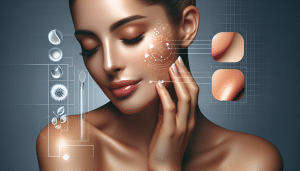
The big question: how does red light therapy actually interact with the body? Red light, especially in the 630nm–670nm wavelength, is believed to stimulate mitochondria—the cell’s energy factories. This gentle energy boost may help repair tissue, support healing, and reinvigorate tired, stressed skin. Many users report their skin feels brighter or firmer after consistent sessions. As wellness centers and spas introduce more red light therapy devices, interest continues to soar. There’s also a growing base for home devices, with options available for personal care routines.
Red light therapy is not just about glowing skin. Some individuals look for joint comfort, increased hair thickness, or relaxation benefits through this technology. Scientific studies have added fuel to its popularity, showing evidence for certain uses like wound healing and reduced fine lines. Trends show that men and women alike are exploring red light therapy for both beauty and wellness, and even athletes are adopting it in recovery regimens.
The Science Behind Red Light Therapy’s Glow
How does red light therapy create change beneath the skin? The answer lies in cellular biology. Red and near-infrared light interact with the mitochondria, which are sometimes called the ‘powerhouses’ of our cells, and increase adenosine triphosphate (ATP) production. This energy source supports various healing processes and helps skin appear radiant. For people interested in anti-aging skin care, these processes explain references to improved elasticity and reduced wrinkles after ongoing sessions (https://www.ncbi.nlm.nih.gov/pmc/articles/PMC5523874/).
Some research highlights that red light can reduce inflammation markers and help speed up skin repair. It is also believed to stimulate fibroblasts, the cells that make collagen, which gives skin structure and fullness (https://www.aad.org/public/diseases/a-z/skin-aging-overview). The science behind hair growth is also compelling. Studies suggest red light therapy for hair regrowth may work by energizing hair follicles and extending the growth phase, which is especially promising for people with thinning hair.
Clinical trials suggest that red light therapy’s effects are dose-dependent, meaning results can vary based on how often it is used and the light strength applied. The therapy is generally well-tolerated, with few reported side effects, but always consult a professional if uncertain. Many reputable health organizations recognize its potential for non-surgical wellness support and ongoing skin health maintenance. This scientific endorsement underpins its expanding role in skincare clinics, wellness centers, and at-home routines.
Red Light Therapy for Skin Rejuvenation
A glowing complexion is just one goal for fans of red light therapy. Consistent use, either in a professional setting or with home devices, can help even out skin tone and soften fine lines. The process is simple: devices are placed near the skin, emitting wavelengths that can penetrate surface layers safely. Unlike aggressive lasers or peels, red light therapy is gentle enough for sensitive skin, which broadens its appeal for ongoing care.
People often opt for red light therapy as an add-on to facials, microneedling, or other treatments, hoping to amplify results. Studies have found improvements in sun damage, reduction in redness, and enhanced skin smoothness after a regular schedule of sessions (https://www.ncbi.nlm.nih.gov/pmc/articles/PMC6116817/). Because it is gentle, many describe feeling calm and relaxed during use—a major reason it appears in spa menus. Stretch marks and acne scars are other targets people hope to minimize with ongoing therapy.
There are even reports that red light therapy may help skin recover faster after procedures or sun exposure. As a non-invasive add-on, it offers an alternative for those wanting results without downtime. Experts advise patience; most improvements are seen after a series of regular sessions. The experience itself is calming and fits easily into weekly or monthly self-care routines. For people searching for natural solutions, red light therapy for skin rejuvenation is often a top wellness choice.
Can Red Light Therapy Support Hair Growth?
Hair restoration is often a complex journey, especially with genetic hair loss, hormonal changes, or stress in play. Red light therapy for hair regrowth has gained momentum as a possible option. How might it work? The theory is that red light stimulates circulation and cellular activity around the scalp, revitalizing energy production in hair follicles. This process helps extend the active growth phase, known as anagen, which could reduce shedding or thinning over time (https://www.ncbi.nlm.nih.gov/pmc/articles/PMC3944668/).
Some dermatologists recommend red light therapy alongside other well-researched treatments, such as topical minoxidil, for individuals seeking fuller hair. Clinical evidence suggests red light therapy may be more likely to maintain or thicken hair than to start new growth in areas without follicles. Still, it is an appealing, gentle method with minimal side effects—one reason so many opt for at-home devices and clinic-based sessions alike.
Most experts advise realistic expectations. Hair transformation is gradual. Not everyone will see dramatic results, but reports from clinical studies mention increased strand density and less shedding after consistent treatments. Side effects rarely occur, especially compared to more aggressive hair restoration methods. Always discuss plans with a medical specialist, especially for underlying scalp or hair concerns.
Wellness, Pain Relief, and Muscle Recovery
Red light therapy goes beyond beauty—it’s increasingly used for wellness, pain relief, and athletic muscle recovery. Professional athletes and weekend warriors alike turn to red light therapy for muscle tension, delayed-onset soreness, and minor aches after workouts. The same processes that benefit skin and hair—improved circulation, reduced inflammation, and energized tissues—also support these recovery goals (https://www.fda.gov/consumers/consumer-updates/red-light-devices-what-know).
According to ongoing research, red light can influence joint mobility and help with chronic pain by increasing blood flow and assisting the body’s repair processes. In sports medicine clinics, red light therapy can sometimes be part of rehabilitation plans for strains, sprains, or overuse injuries. Many who experience it describe an overall sense of relaxation and well-being, which ties into the wider wellness movement focused on non-invasive, holistic solutions.
Results aren’t instant, and multiple sessions are typically needed, similar to its use in skin and hair settings. For anyone considering red light therapy for pain or injury recovery, guidance from a healthcare provider is suggested. This ensures safe, effective use and helps manage expectations about what red light therapy can realistically provide within a wellness plan.
Tips for Using Red Light Therapy Safely
Safe use is crucial. Most devices are cleared by regulatory agencies and designed for easy home or clinic use. Powerful professional-grade devices should only be used as directed. Too much light—overexposure—can lead to minor discomfort or skin irritation, so starting slowly and following device recommendations is essential.
Personalization matters. Factors like skin tone, underlying health conditions, and existing medications may influence red light therapy experiences. It’s wise to speak with a healthcare provider or dermatologist before beginning, particularly for those with photosensitive skin or who experience rashes and allergies regularly.
Routine and consistency are key. To maximize results, establish a realistic schedule and track your skin, hair, or wellness changes. Clean devices thoroughly, avoid use on broken or infected skin, and don’t expect miracles overnight. When in doubt, consult an expert, especially if anything unexpected develops. Wellness is a journey. Red light therapy can be a part of it—when used wisely.
References
1. Avci, P., Gupta, A., Sadasivam, M., Vecchio, D., Pam, Z., Pam, N., & Hamblin, M. R. (2013). Low-level laser (light) therapy (LLLT) in skin: stimulating, healing, restoring. https://www.ncbi.nlm.nih.gov/pmc/articles/PMC5523874/
2. American Academy of Dermatology Association. (n.d.). Skin aging: Overview. https://www.aad.org/public/diseases/a-z/skin-aging-overview
3. Goldberg, D. J. (2017). Low-level light therapy (LLLT) for treatment of hair loss. https://www.ncbi.nlm.nih.gov/pmc/articles/PMC3944668/
4. Barolet, D., & Boucher, A. (2010). LED light therapy: From bench to clinical practice. https://www.ncbi.nlm.nih.gov/pmc/articles/PMC6116817/
5. U.S. Food & Drug Administration (FDA). (n.d.). Red light devices: What to know. https://www.fda.gov/consumers/consumer-updates/red-light-devices-what-know
6. Harvard Health Publishing. (n.d.). Can infrared saunas and red light therapy rev up your health? https://www.health.harvard.edu/staying-healthy/can-infrared-saunas-and-red-light-therapy-rev-up-your-health

 Startup Business Ideas You Might Not Expect