Minimalist Living Redefined for You
Amira Solberg October 17, 2025
Minimalist living is more than a style—it’s a lifestyle movement inspiring many to declutter and find joy in less. Explore essential tips, room-by-room transformations, and mindful shopping habits that support a simpler yet more fulfilling way of life.
Your Minimalist Mindset Shift
Minimalist living starts inside the mind. For many, adopting minimalism is a conscious effort to shift away from material distractions and towards intentional living. Focusing on purposeful possessions, individuals learn to evaluate every purchase and keep only what genuinely adds value to their lives. This fundamental mindset shift can leave room for what truly matters—health, relationships, and fulfilling experiences. It doesn’t require removing everything you own. Instead, it’s about making thoughtful choices to live more meaningfully. Many find that practicing this approach leads to a remarkable reduction in stress, promoting both mental clarity and peace.
Letting go is not always about what you give up but what you gain. By owning fewer items, you may notice more free time, a clean environment, and improved well-being. Embracing essentialism, every object kept has a purpose or brings genuine joy. Minimalism’s psychological benefits are well recognized, often providing increased focus and energy. Minimalists often note a greater appreciation for cherished objects and simpler routines. As this new mindset settles in, decluttering becomes less of a chore and more of a liberating practice that shapes your entire home experience.
Shifting to minimalist thinking sometimes surprises people. It’s common to feel emotionally attached to belongings, even when they serve no role. Beginning with small steps—like clearing a desk or a closet—can ease you in. Minimalist living isn’t about deprivation; it’s about making intentional decisions that foster space for creativity and growth. The journey varies for each person, but the reward is consistent: a renewed sense of control, simplicity, and lasting calm. Discovering how much is enough often leads to newfound freedom.
Decluttering Spaces Room by Room
Minimalist living gets real when you move from theory to hands-on decluttering. Tackling one space at a time is the most effective method—starting with the easiest, like a bathroom or hallway closet. Reduce clutter by removing duplicates, broken items, or things unused in the last six months. Those who approach decluttering gradually often see lasting results, as it’s less overwhelming than trying to simplify everything overnight.
Each room presents a unique set of challenges and opportunities. In the kitchen, for example, minimizing can mean sticking to essential cookware and letting go of seldom-used gadgets. The bedroom thrives on serenity, so focus on keeping surfaces clear and clothing pared down to essentials. Living rooms, as the heart of a home, benefit from fewer decorations and multi-use furniture. Streamlining these areas not only beautifies them but also makes daily routines smoother and more enjoyable.
Children’s rooms need special attention. Encouraging little ones to participate in tidying up cultivates early habits of organization. Donate toys and clothes they’ve outgrown or no longer use. Minimalist spaces for children are shown to improve creativity and reduce overstimulation. Even shared spaces, like entryways or home offices, can benefit from baskets or hidden storage solutions, reducing visible clutter and fostering a welcoming atmosphere. Completing each space before moving on builds lasting habits.
Choosing Minimalist Decor and Furniture
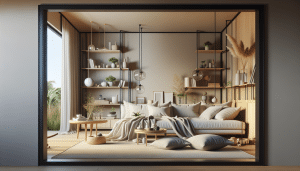
Decorating minimally doesn’t mean sacrificing style. In fact, minimalist spaces often feel more inviting because there’s less visual competition. Focus on neutral colors, clean lines, and natural materials when selecting decor. Furniture should be functional and suited to your needs—think fewer pieces, but each with a defined role. Minimalist living rooms, for instance, can be both cozy and visually relaxing with the right layout and soft lighting.
Multifunctional furniture—a sofa bed, nesting tables, or storage ottomans—maximizes utility without cluttering your space. When every piece serves a dual purpose, rooms feel more open and inviting. Accessories should remain limited, with art or objects that reflect personal taste and evoke positive emotions. Wall-mounted shelves, for example, free up floor space and keep things tidy, supporting a minimalist mindset.
Bringing nature inside is a hallmark of many minimalist interiors. Plants add life and calm without overwhelming a room. Opt for one or two statement pieces instead of an array of knickknacks. Functionality remains key, so pick decor that is beautiful, meaningful, and practical. By ensuring every item has a place and purpose, even the smallest homes can feel serene and spacious, making daily life more enjoyable for everyone.
Embracing Mindful Shopping Habits
Minimalist living is underpinned by mindful consumption. Before every purchase, it’s important to consider whether the item truly serves a purpose or is simply adding to the clutter. Implementing a “wait period” before buying—like a 48-hour pause—can help determine if something is genuinely needed. Consumers who practice mindful shopping are more likely to be satisfied with their decisions, reducing the urge for impulse purchases and unnecessary spending.
Sustainable shopping supports minimalist ideals. Choosing locally made, long-lasting products aligns with the philosophy of quality over quantity. Reducing fast fashion and opting for timeless, durable pieces not only benefits individual spaces but also supports a healthier environment. Many advocates now prefer secondhand or upcycled items, as these contribute less waste and offer unique charm.
Technology can also help. There are several digital tools to track purchases and organize wish lists, preventing duplicate buys. Some people adopt “one in, one out” rules, where a new purchase replaces an existing item. This effortful approach to buying not only declutters belongings but also helps build financial stability. Mindful shopping isn’t about deprivation but about cherishing what is truly valuable and necessary for comfort and wellbeing.
Keeping Minimalism Sustainable and Personal
Minimalist living isn’t an all-or-nothing approach. It’s about creating a sustainable lifestyle that matches personal needs and values. Some reevaluate their routines periodically to maintain simplicity, while others create new traditions, like monthly donation drives or seasonal closet reviews. The aim is flexibility—minimalism must evolve as life circumstances change.
Personal touches are crucial. Everyone’s version of minimalism looks different. What feels sparse to one person might seem cluttered to another. The key is regular reassessment—keep items that tell a story or spark joy and avoid keeping things out of guilt or habit. Setting boundaries around digital clutter can also make a difference; for instance, organizing files or unsubscribing from unnecessary emails helps reduce mental load.
Community support can encourage lasting change. Connecting with others on social media or local minimalist groups offers new ideas and accountability. Workshops and online resources provide inspiration for overcoming challenges and celebrating successes. Ultimately, minimalist living is about being present, enjoying more with less, and ensuring every possession supports a fuller life. The rewards extend beyond possessions, shaping your days with intentionality and joy.
Minimalism’s Effect on Well-being and Happiness
Beyond clean spaces and fewer possessions, minimalist living can influence overall happiness. Studies have found strong links between decluttering and reduced stress. With fewer distractions, it becomes easier to focus and feel at ease at home. Minimalism encourages a slower pace, prompting people to be present during everyday activities—meals, conversations, self-care rituals. This mindful approach increases gratitude and awareness of life’s simple pleasures.
Financial wellness also improves for many. Reduced spending on non-essentials frees up resources for meaningful experiences or future security. Families who adopt minimalist principles report less conflict about cleaning and organizing, and children often feel more secure and creative in simple, well-ordered environments. Minimalism’s psychological benefits reach beyond the home, positively impacting work and social spheres by lowering anxiety and increasing satisfaction.
Finally, a minimalist lifestyle brings a sense of control and calm. Letting go of excess can help individuals feel more resilient in the face of change and uncertainty. It inspires intentionality daily, from choosing what to wear to how time is spent. Ultimately, minimalist living allows happiness to be found not in things but in moments, fostering lasting fulfillment and a deep connection to what truly matters.
References
1. Kondo, M. (2014). The Life-Changing Magic of Tidying Up. Retrieved from https://www.nytimes.com/2014/12/28/books/review/marie-kondo-the-life-changing-magic-of-tidying-up.html
2. Becker, J. (2021). The Minimalist Home: A Room-by-Room Guide. Retrieved from https://www.becomingminimalist.com/minimalist-home/
3. Psychology Today. (n.d.). The Mental Health Benefits of Decluttering. Retrieved from https://www.psychologytoday.com/us/blog/the-moment-youth/201904/how-decluttering-improves-mental-health
4. Environmental Protection Agency. (n.d.). Sustainable Shopping. Retrieved from https://www.epa.gov/recycle/sustainable-management-materials
5. Healthline. (2021). How Minimalism Improves Your Mental Health. Retrieved from https://www.healthline.com/health/mental-health/minimalist-living
6. American Psychological Association. (2020). Financial Wellness and Mental Health. Retrieved from https://www.apa.org/news/press/releases/2020/07/financial-health-covid-19

 Why You’ll Love Exploring Sustainable Eco-Tourism