Minimalist Home Decor Ideas That Make You Pause
Amira Solberg October 26, 2025
Curious about how minimalist home decor can bring calm and style to your space? Explore these practical tips and design inspirations that help you transform any room using a minimalist approach—impactful, affordable, and surprisingly cozy for your lifestyle.
Why Minimalism Resonates with So Many
Minimalist home decor has captured imaginations everywhere. It emphasizes function, clean lines, and uncluttered spaces. Many people gravitate toward minimalism in search of clarity and peace at home. Surfaces stay clear. Storage is smart. Every object is intentional. These small changes make big differences. There is an underlying philosophy, too—focusing on what matters and letting go of excess. This mindset is especially attractive in fast-paced modern living. The minimalist approach acts as a reset button.
Decluttering is an ongoing journey, not a one-time purge. People often report that clearing out old, unused belongings brings both relief and a renewed sense of control. Minimalism isn’t about empty rooms or stark white walls. It’s about finding a balance. Combining a simple color palette with a few bold accents achieves warmth and depth, not coldness. Spaces feel lived-in, not barren. The goal is to curate, not strip bare, each room. This distinguishes true minimalism from mere reduction of belongings.
Psychologists have noted that cluttered spaces can raise stress levels. Adopting minimalist home decor can support well-being and the ability to focus. In bedrooms, removing visual noise allows for genuine rest. In common areas, fewer distractions encourage deeper connections among those living in the space. The benefits, both aesthetic and emotional, explain why minimalist design appears in so many lifestyle and interior blogs. Learn more about how mindful curation brings clarity and joy to the home aesthetic (Source: https://www.apa.org/news/press/releases/stress/2015/material-world).
Choosing a Minimalist Color Palette
Color shapes every room’s mood. In minimalist decor, neutral tones are the starting point. Think soft whites, gentle grays, and muted beiges. These hues provide a relaxing backdrop that makes any space feel open and airy. Accent colors—like forest green or navy—can be sprinkled sparingly for drama and interest. Many homeowners are surprised by how lively a ‘simple’ room can feel. Minimalist design uses restraint, not monotony, for its impact. Each selection feels thoughtful, never random.
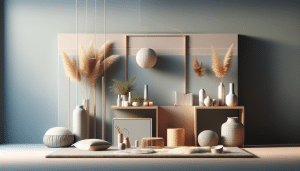
There is no single formula for a perfect minimalist color scheme. Some creatives choose to layer shades of the same base color for subtlety. Others opt for high-contrast black-and-white by using bold frames, monochrome prints, or a distinctive rug as a focal point. Textured accents—woven throws or ceramic vases—provide visual interest without overwhelming the senses. These choices allow minimalism to remain versatile, suitable for many lifestyle needs and room functions. Experimentation within a set palette creates harmony that feels tailored, not generic.
Light has power. Large windows, sheer drapes, and warm lighting all play into the minimalist aesthetic, brightening and enlarging rooms where possible. Pops of organic color—through fresh plants or natural wood—add life and contrast. Science suggests exposure to gentle, natural colors can reduce anxiety and boost productivity (Source: https://www.ncbi.nlm.nih.gov/pmc/articles/PMC4500993/). When in doubt, select calm shades, allowing textures, plants, or a single bold artwork to provide subtle contrast within the minimalist framework.
Decluttering: Adapting Mindful Minimalism
Decluttering is core to minimalist home decor. Many people find that removing excess items brings a sense of liberation. This process has a deep psychological effect: letting go of unnecessary things can reduce mental load and invite intention. A popular method is to sort belongings by category—such as books, clothing, or kitchenware—then keep only items that are truly functional or bring joy. It’s not about strict rules. It’s about conscious selection and living lighter. Minimalism feels personal, not forced.
Storage solutions play a crucial role in the decluttering phase. Built-in shelves, under-bed storage, and hidden cabinetry help keep essentials accessible while maintaining visual serenity. Some choose multipurpose furniture—think benches with hidden compartments or nesting tables that maximize function. What’s kept is easily found, never buried. Open spaces become invitations to rest rather than reminders of things left undone. This is why minimalism appeals to busy families and professionals alike: order supports clarity.
Experts highlight the importance of regular routines for upkeep. A five-minute evening tidy can keep spaces consistently clutter-free. Studies have shown orderly environments may foster self-discipline and positively influence wellbeing (Source: https://news.harvard.edu/gazette/story/2018/08/simple-living-can-generate-joy/). Whether living in a tiny apartment or a larger house, minimalist strategies are adaptable for different scales and lifestyles. Mindful editing—rather than wholesale removal—keeps a home feeling intentional and lived-in rather than museum-like.
Furnishing for Function and Serenity
Minimalist furnishings are about quality, not quantity. Neutral, streamlined sofas, versatile tables, and low-profile beds are staples. What’s unique is the attention to material and craftsmanship: solid wood, metal accents, or carefully chosen textiles. These touchpoints ground the room and add character. Multi-use furniture—such as ottomans with storage or extendable dining tables—keeps floor plans open and flexible, suitable for changing needs. Minimalism encourages only what truly serves day-to-day life to remain.
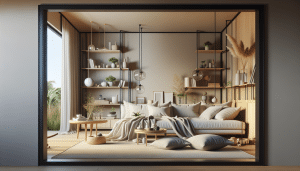
Comfort is never sacrificed. Cushions, rugs, or throws in organic fabrics create layers of softness without crowding the space. Even in minimalist bedrooms, a single statement chair or textured bench can make the space inviting. Designers recommend focusing on proportions, ensuring that each piece feels balanced and right-sized for the room. This approach not only simplifies decorating decisions but can also support mindful spending and sustainable shopping habits, which are growing concerns in today’s lifestyle landscape.
Smaller accessories, such as curated artwork, greenery, or a striking lamp, add personality without overwhelming. The minimalist philosophy values empty space almost as much as furniture. Each addition should feel right—never forced. Tricks such as grouping objects in odd numbers or echoing a color accent throughout make the decor cohesive. Ultimately, minimalist furnishing balances practical needs with visual peace, creating a retreat from the outside world. The result? A home that feels restful, not sterile.
Incorporating Nature for Balance
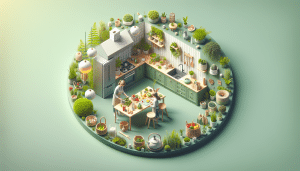
Biophilic design—bringing nature indoors—pairs perfectly with minimalist decor. Houseplants or fresh flowers infuse spaces with color and vitality. Even a single, sculptural branch in a glass vase can stand as a focal point. The presence of greenery softens lines and offers a gentle counterbalance to structural elements. Some designers weave nature into every room: potted trees by reading nooks, trailing vines on kitchen shelves, or a small herb garden on a sunny windowsill. Organic touches transform simplicity into sanctuary.
Natural textures are just as important as living plants. Wood floors, linen drapes, or sisal rugs bring depth and an earthy grounding. Stones or ceramics, left unpolished, add character and tactile interest. Many people report that daily exposure to natural materials boosts mood and attention span. Research shows that nature-inspired design can lower stress levels and improve cognitive function (Source: https://www.wellcertified.com/resources/biophilia-whitepaper). Incorporate nature both visually and physically for authentic warmth in a minimalist space.
Even modern technology, like air-purifying systems or sun-simulating lamps, can encourage harmony with nature. Minimalist homes often blend indoor and outdoor living, with patios, balconies, or courtyard gardens extending the dwelling. Glass doors or wide windows frame views and maximize daylight. By integrating outdoor elements, homes feel more spacious and uplifting. The minimalist lifestyle, layered with nature, stands out for its unique blend of simplicity, tranquility, and vibrant life.
Customizing Minimalism for Your Lifestyle
Minimalist home decor is a framework, not a set of rigid rules. Each lifestyle—whether solo, family, or shared-living—finds its own rhythm within the philosophy. Some lean toward Nordic minimalism’s coziness, others prefer the sleekness of Japanese-inspired design. Preferences change over time as needs shift. Minimalism adapts easily. The essential principle: let each choice reflect individual values and daily routines, not fleeting trends. This flexibility makes minimalist homes feel honest and lived-in rather than staged.
Practical modifications keep homes user-friendly. Modular shelving grows as collections do. Mobile islands or carts provide instant utility in kitchens. Art and textiles can signal evolving moods or seasons; swapping them out refreshes rooms without significant effort. By focusing on adaptability, minimalism stays realistic and approachable. Many minimalist homes feature unique personal touches tucked among neutral elements—a childhood photograph, a handwoven blanket, or a travel-inspired sculpture. These elements make minimalism feel deeply personal.
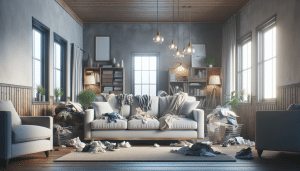
It’s worth remembering that imperfection and messes will occur. Minimalist spaces are not immune to daily life. The goal is not perfection, but ease and satisfaction. Organizing for real life means building routines suited to one’s unique habits, so that returning to simplicity becomes effortless. Minimalist home decor, in the end, is about making room: for clarity of mind, for beautiful objects, and for all the small joys of everyday living.
References
1. American Psychological Association. (2015). Stress in America: Paying with Our Health. Retrieved from https://www.apa.org/news/press/releases/stress/2015/material-world
2. Soga, M., Gaston, K. J., & Yamaura, Y. (2017). Gardening is beneficial for health: A meta-analysis. Preventive Medicine Reports, 5, 92-99. Retrieved from https://www.ncbi.nlm.nih.gov/pmc/articles/PMC4500993/
3. Harvard Gazette. (2018). Simple living may bring joy and order. Retrieved from https://news.harvard.edu/gazette/story/2018/08/simple-living-can-generate-joy/
4. International WELL Building Institute. (2020). Biophilia and WELL. Retrieved from https://www.wellcertified.com/resources/biophilia-whitepaper
5. The Minimalists. (n.d.). 21-day journey into minimalism. Retrieved from https://www.theminimalists.com/21days/
6. National Institutes of Health. (2019). The effects of indoor plants on health and productivity. Retrieved from https://www.ncbi.nlm.nih.gov/pmc/articles/PMC6073507/

 Smart Ways You Can Transform a Small Backyard