Fitness Routines That Improve Strength and Flexibility
Amira Solberg October 7, 2025
In 2025, fitness has evolved beyond simply looking fit—it’s about building resilience, improving mobility, and sustaining health over the long term. For many, incorporating fitness routines that improve strength and flexibility is the key to unlocking both physical performance and everyday functionality.
Unlike routines that focus only on muscle growth or cardio endurance, balanced programs combine strength training with flexibility practices, ensuring the body is strong, mobile, and resistant to injury. This approach supports athletes, professionals with desk jobs, and older adults alike, proving that strength and flexibility are vital for all lifestyles.
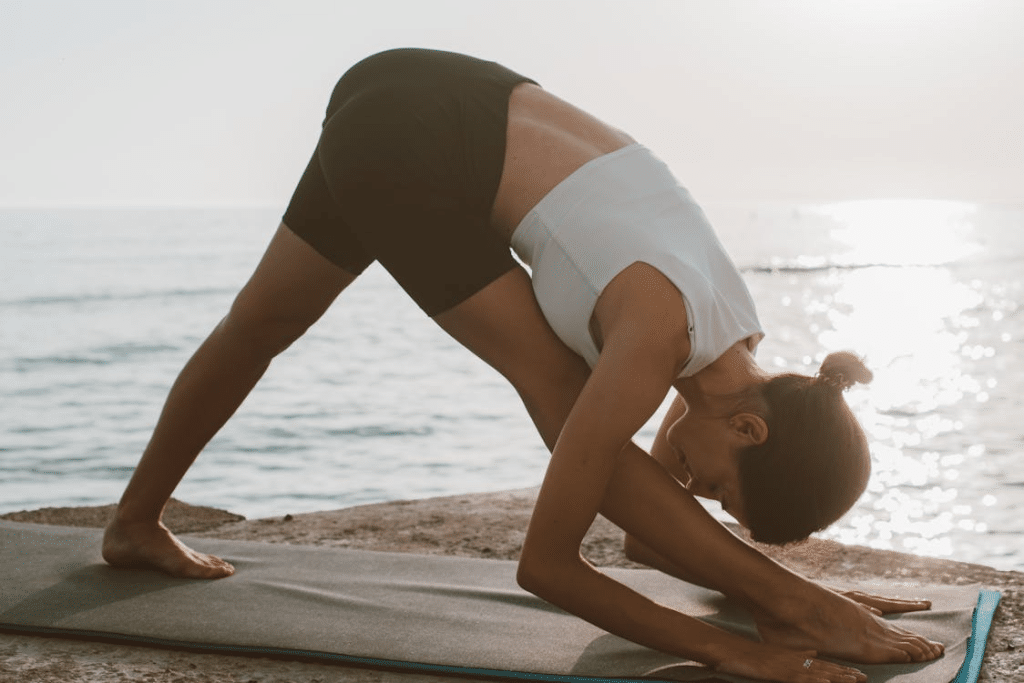
Why Strength and Flexibility Matter Together
Strength and flexibility complement each other. Strong muscles protect joints and improve posture, while flexibility ensures a full range of motion and reduces injury risk. Without balance, one can undermine the other—for example, strength without flexibility can cause stiffness, and flexibility without strength may result in instability.
A 2024 study published in the Journal of Applied Physiology highlighted that participants who combined strength training with stretching and mobility practices saw a 25% greater improvement in overall movement efficiency compared to those who practiced either alone.
Key benefits include:
- Improved posture and alignment.
- Reduced risk of injuries in daily activities and sports.
- Enhanced athletic performance through stronger, more mobile muscles.
- Better functional fitness for tasks like lifting, bending, and climbing stairs.
- Long-term resilience for healthy aging.
Core Fitness Routines That Improve Strength and Flexibility
1. Dynamic Warm-Ups
Before workouts, use dynamic stretches—such as leg swings, arm circles, and walking lunges—to prepare muscles and joints. This boosts mobility while reducing injury risks.
2. Strength Training
- Bodyweight exercises: Push-ups, squats, and planks strengthen foundational muscles.
- Weight training: Deadlifts, bench presses, and kettlebell swings build power and endurance.
- Resistance bands: Add controlled resistance while maintaining mobility.
3. Yoga and Mobility Flows
Yoga poses like downward dog, warrior II, and pigeon stretch lengthen muscles while building balance and stability. Mobility drills improve joint health and functional movement.
4. Pilates
Pilates emphasizes core strength, alignment, and controlled flexibility, making it a valuable complement to strength routines.
5. High-Intensity Interval Training (HIIT)
Combining strength moves with cardio intervals builds endurance while maintaining muscle flexibility through varied movement patterns.
6. Functional Training
Movements that mimic daily activities—such as kettlebell carries or medicine ball throws—improve real-life strength and mobility.
7. Stretching and Cool-Down
Static stretches after workouts, such as hamstring stretches or chest openers, maintain long-term flexibility.
8. Active Recovery
Foam rolling, light yoga, and walking improve circulation, reduce stiffness, and maintain flexibility between intense training sessions.
Sample Weekly Routine for Strength and Flexibility
- Monday: Strength training (upper body) + 15 minutes of yoga flow.
- Tuesday: HIIT circuit + foam rolling.
- Wednesday: Pilates or mobility training.
- Thursday: Strength training (lower body) + dynamic stretching.
- Friday: Cardio (running, cycling, or swimming) + mobility work.
- Saturday: Full-body yoga session or functional training.
- Sunday: Active recovery with walking and gentle stretching.
This balanced schedule ensures both strength and flexibility are trained consistently.
Emerging Fitness Trends in 2025
AI-Personalized Workouts
AI-driven apps now customize routines for both strength and flexibility based on user progress and recovery data.
Hybrid Classes
Studios increasingly offer hybrid sessions that combine strength training with yoga or Pilates for balanced results.
Mobility-Focused Training
More athletes and fitness enthusiasts are prioritizing mobility as a pillar of long-term strength.
Wearable Tech Integration
Wearables track range of motion and flexibility improvements alongside strength metrics.
Virtual Recovery Programs
Online platforms offer guided stretching and mobility routines to complement home strength training.
Practical Tips for Success
- Be consistent – Progress comes from small, daily actions.
- Warm up properly – Dynamic movements prepare muscles for both strength and flexibility training.
- Listen to your body – Avoid overtraining and adjust routines to prevent injuries.
- Balance intensity with recovery – Stronger muscles need time to rest and adapt.
- Track progress – Use journals or apps to measure gains in both strength and range of motion.
Benefits of Balanced Routines
By adopting fitness routines that improve strength and flexibility, individuals gain:
- Enhanced athletic performance and stamina.
- Improved mobility for daily living.
- Stronger, more injury-resistant muscles and joints.
- Better balance between power and relaxation.
- A foundation for lifelong health and vitality.
Conclusion
In 2025, fitness isn’t just about lifting heavy or running far—it’s about balance. By embracing fitness routines that improve strength and flexibility, individuals can achieve functional, sustainable fitness that supports every aspect of life.
From strength training and yoga to functional movement and active recovery, these routines create harmony between power and mobility. The result is a healthier, more resilient body prepared for the challenges of today and tomorrow.
References
- Journal of Applied Physiology. (2024). The combined effects of strength and flexibility training. https://www.physiology.org
- Harvard Medical School. (2024). Exercise and long-term health outcomes. https://www.health.harvard.edu
- Mayo Clinic. (2024). Strength and flexibility for injury prevention. https://www.mayoclinic.org
- Forbes. (2024). Fitness trends shaping routines in 2025. https://www.forbes.com
- National Geographic. (2024). The rise of functional and holistic fitness. https://www.nationalgeographic.com

 Travel Experiences That Combine Adventure and Education