Interior Design Ideas That Maximize Functionality
Amira Solberg October 13, 2025
Interior design is no longer just about style—it’s about creating spaces that work as hard as they look. In 2025, the emphasis on multi-purpose living spaces, smart storage solutions, and adaptable layouts has made functionality one of the top priorities for homeowners. Whether you’re designing a small apartment or a larger family home, the goal is to make every inch count. By exploring interior design ideas that maximize functionality, you can create a home that’s practical, comfortable, and beautiful.
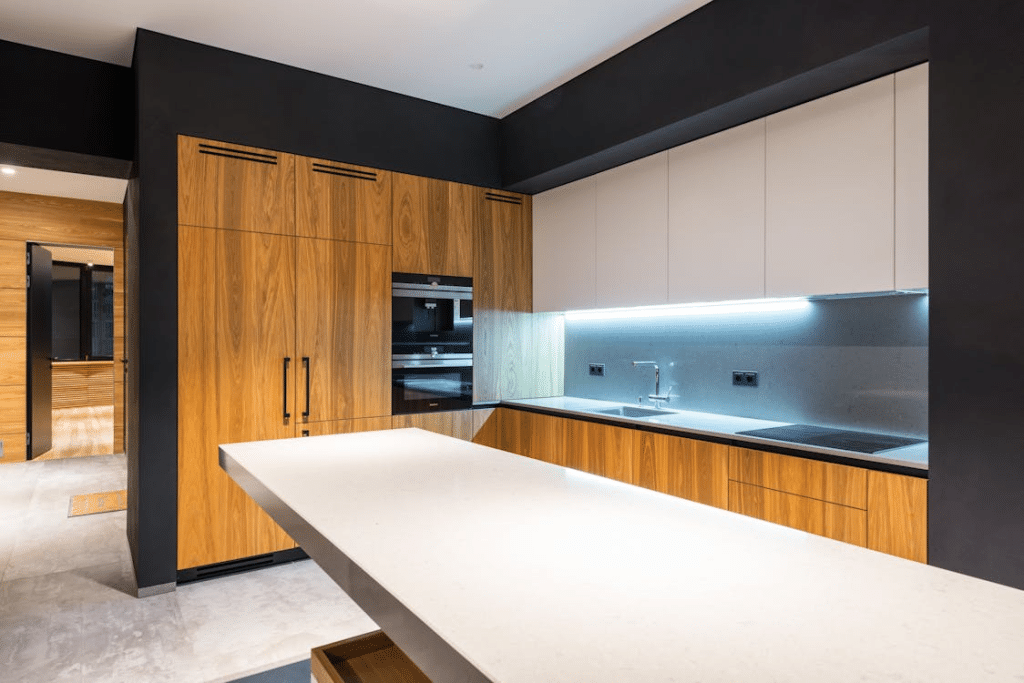
Why Functional Design Matters
The modern home has to do more than ever before. Living spaces often double as workspaces, entertainment zones, and exercise areas. According to Houzz’s 2024 Home Trends Study, 64% of homeowners remodeled their homes to increase functionality rather than just aesthetics (Houzz.com, 2024). A functional home isn’t only efficient—it also reduces stress, improves daily flow, and creates an environment where people feel both productive and relaxed.
1. Multi-Functional Furniture
Furniture that adapts to different needs is at the heart of functional design.
- Sofa beds serve as seating by day and sleeping space by night.
- Extendable dining tables expand for gatherings but save space daily.
- Storage ottomans double as seating while concealing clutter.
Apartment Therapy highlights that multifunctional furniture is especially valuable in small homes, allowing residents to enjoy flexibility without sacrificing comfort (ApartmentTherapy.com, 2024).
2. Smart Storage Solutions
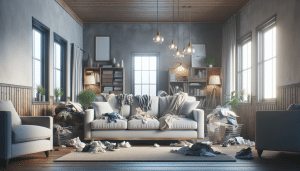
Clutter disrupts both aesthetics and efficiency. Smart storage maximizes space without overwhelming the design.
- Built-in shelving units add vertical storage.
- Under-bed drawers or risers make use of hidden areas.
- Wall-mounted organizers keep kitchens and offices tidy.
According to The Container Store, effective storage can increase usable home space by up to 30% (ContainerStore.com, 2024).
3. Open-Concept Layouts with Defined Zones
Open-concept living remains popular, but without clear boundaries, it can feel chaotic. Creating functional “zones” helps balance flow with usability.
- Use rugs or furniture placement to separate areas.
- Add bookshelves or glass partitions for subtle division.
- Create designated work corners with compact desks.
HGTV notes that zoning within open-concept spaces improves functionality by making rooms feel purposeful rather than cluttered (HGTV.com, 2024).
4. Lighting for Mood and Utility
Lighting influences not just aesthetics but also productivity and mood.
- Task lighting in kitchens and offices improves focus.
- Ambient lighting creates warmth in living rooms.
- Smart lighting systems allow customization for different needs.
CNET reports that smart lighting not only enhances atmosphere but also helps households save energy, merging style with practicality (CNET.com, 2024).
5. Flexible Workspaces
With hybrid and remote work becoming permanent, home offices must be functional and adaptable.
- Fold-down desks in multi-use rooms save space.
- Acoustic panels reduce noise distractions.
- Ergonomic chairs improve health and comfort.
Forbes highlights that well-designed home offices improve productivity by up to 30% compared to makeshift setups (Forbes.com, 2024).
6. Built-In Design Features
Built-ins add storage, create structure, and maximize small spaces.
- Window seats with hidden storage add charm and function.
- Built-in wardrobes free up floor space in bedrooms.
- Custom kitchen cabinets improve organization.
Better Homes & Gardens emphasizes that built-in features often boost resale value while improving everyday living (BHG.com, 2024).
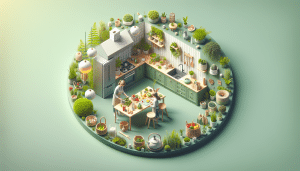
7. Kitchens Designed for Efficiency
The kitchen is one of the most functional areas in any home. Smart design ensures it meets both practical and aesthetic needs.
- Install pull-out pantries for easy access.
- Use drawer dividers to keep utensils organized.
- Add under-cabinet lighting for visibility.
Kitchen & Bath Design News reports that homeowners increasingly value kitchens that prioritize workflow and ergonomic efficiency (KitchenBathDesign.com, 2024).
8. Bathrooms That Do More
Bathrooms can be transformed into both functional and relaxing spaces.
- Floating vanities save floor space and improve accessibility.
- Walk-in showers with built-in niches enhance usability.
- Heated towel racks combine comfort and efficiency.
Good Housekeeping suggests that upgrading bathroom layouts for functionality can add both convenience and resale value (GoodHousekeeping.com, 2024).
9. Outdoor Spaces as Extensions
Functional homes don’t stop at the front door. Outdoor areas are increasingly being designed as extensions of indoor living.
- Decks with dining tables create outdoor kitchens.
- Pergolas with seating areas extend usable square footage.
- Container gardens add greenery while requiring minimal maintenance.
According to Real Simple, integrating outdoor functionality adds lifestyle value and encourages more time spent in fresh air (RealSimple.com, 2024).
10. Smart Home Technology
Smart home innovations improve convenience and efficiency in everyday living.
- Smart thermostats optimize heating and cooling.
- Voice-activated assistants manage lighting and appliances.
- Home security systems provide safety and peace of mind.
TechRadar highlights that smart home adoption has surged, with 57% of households now using at least one smart device, merging function with futuristic convenience (TechRadar.com, 2024).
Conclusion
Creating a functional home doesn’t mean sacrificing style. By integrating interior design ideas that maximize functionality, homeowners can enjoy spaces that adapt to modern life, balance efficiency with comfort, and enhance everyday living. From smart storage and multifunctional furniture to well-planned lighting and technology, functionality is about designing a home that works seamlessly for its occupants.
The trend is clear: a home should not just look good—it should make life easier, more efficient, and more enjoyable.
References
Apartment Therapy. (2024). Multifunctional furniture ideas. Retrieved from https://www.apartmenttherapy.com
Better Homes & Gardens. (2024). Built-in design for home functionality. Retrieved from https://www.bhg.com
CNET. (2024). Smart lighting systems for modern homes. Retrieved from https://www.cnet.com
Forbes. (2024). Designing functional home workspaces. Retrieved from https://www.forbes.com
Good Housekeeping. (2024). Bathroom design tips for functionality. Retrieved from https://www.goodhousekeeping.com
HGTV. (2024). Open-concept design with defined zones. Retrieved from https://www.hgtv.com
Houzz. (2024). Home design trends survey. Retrieved from https://www.houzz.com
Kitchen & Bath Design News. (2024). Efficiency-focused kitchen design. Retrieved from https://www.kitchenbathdesign.com
Real Simple. (2024). Outdoor living ideas that maximize space. Retrieved from https://www.realsimple.com
TechRadar. (2024). Smart home adoption trends. Retrieved from https://www.techradar.com
The Container Store. (2024). Smart storage solutions for small spaces. Retrieved from https://www.containerstore.com

 Fitness Routines That Promote Mental Clarity