How Minimalism Is Changing Modern Lifestyles
Amira Solberg September 12, 2025
In recent years, there has been growing interest in how minimalism is changing modern lifestyles. As people become more aware of environmental impact, mental health issues, and the clutter of digital and physical spaces, a minimalist approach is gaining momentum. In 2025, minimalism is not just about fewer possessions—it’s evolving into a broader lifestyle change that touches on sustainability, design aesthetics, mental well-being, and digital habits. This article examines the key ways in which minimalism is changing modern lifestyles, the emerging trends, and practical steps for adopting minimalist habits.
1. Intentional Technology Use and Digital Minimalism
One of the most visible shifts in how minimalism is changing modern lifestyles is digital minimalism. With more of life happening online—work, communication, leisure—people are pushing back against information overload, app fatigue, and constant connectivity.
- Reducing digital clutter: Deleting apps that aren’t used, organizing files, unsubscribing from unused email lists.
- Limiting screen time: Allocating specific hours for social media and using tools that monitor or restrict usage.
- Streamlining tools and platforms: Choosing multifunctional apps rather than several overlapping ones.
According to a trend analysis of minimalism in 2025, many individuals are adopting digital minimalism, prioritizing tools that truly serve their needs and eliminating distractions.
This tendency is reinforced by research on mental health: excess digital stimuli can contribute to anxiety, stress, and decreased focus. Minimalism helps reduce these effects.
Why this matters: Modern life often demands attention from many angles—work, social, online. By simplifying technology use, people reclaim time, reduce stress, and gain clarity. Digital minimalism is thus a key part of how minimalism is changing modern lifestyles.
2. Sustainable and Slow Consumption
Modern minimalism isn’t about having the least—it’s about choosing better. Part of how minimalism is changing modern lifestyles involves more conscious consumption, prioritizing durability, sustainability, and ethical production.
- Favoring secondhand items or vintage pieces instead of constantly buying new.
- Purchasing fewer but higher-quality goods that last longer.
- Choosing brands transparent about their production methods and environmental impact.
A recent article on environmental benefits shows that minimalism can reduce plastic waste, decrease greenhouse gas emissions from transportation, and curtail overproduction.
Another study (Impact of minimalist practices on consumer happiness and financial well-being) found that minimalism correlates with greater happiness and financial security because people spend less on unnecessary items and focus on what matters.
Why this matters: In times of global environmental concern and rising living costs, sustainable minimalism is a lifestyle shift that offers both ecological benefits and financial peace of mind. It’s a big part of how minimalism is changing modern lifestyles.
3. Mental Health and Well-being Benefits
How minimalism is changing modern lifestyles is closely tied with improvements in mental health. Decluttering both physical and mental spaces can reduce anxiety, improve mood, and enhance focus.
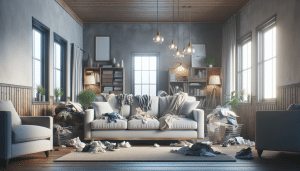
- Clutter has been linked to elevated stress hormones (like cortisol), poorer concentration, and disrupted sleep.
- Minimalist living can lead to feelings of autonomy, mental clarity, and peacefulness. A qualitative study found that participants reported better mood, less anxiety, and a stronger sense of control over their environment after adopting minimalist habits.
Minimalism allows for more mental space—less decision fatigue, fewer distractions, and more room for things that matter (relationships, creativity, rest). This is a major component of how minimalism is changing modern lifestyles, especially in urban settings.
4. Aesthetic Trends: Japandi, Muted Spaces, and Soft Minimalism
The visual side of minimalism continues to evolve. Interior design and style trends are part of how minimalism is changing modern lifestyles—not just through function, but through how homes and spaces feel.
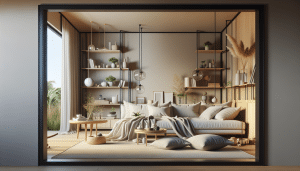
- Japandi: A hybrid style combining Japanese Zen and Scandinavian simplicity—clean lines, natural textures, neutral tones, functional beauty. It is gaining popularity in 2025 as people seek calm and harmony in their living spaces.
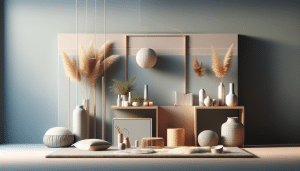
- Muted color palettes with accents: Instead of stark white, minimalism is shifting toward softer neutrals with occasional muted accent colors to avoid coldness.
- Quality over quantity in décor: Fewer decorative pieces of higher quality, more meaningful objects, thoughtful art rather than mass accessories.
These aesthetic approaches show how minimalism is changing modern lifestyles by making living environments not just simpler, but more intentional, comforting, and expressive.
5. Minimalism and Lifestyle Prioritization
Another trend showing how minimalism is changing modern lifestyles involves shifts in priorities—toward experiences, relationships, purpose, and inner contentment rather than accumulation of material wealth.
- People are delaying or rejecting traditional markers of success (large home, many possessions) in favor of flexibility, travel, time with family. Global reports note rising interest among younger generations in work-life balance and low-desire or voluntary minimalism.
- The rise of conscious living—drawing from traditions like Ayurveda, mindfulness, and sustainable living—is influencing everyday routines: simpler diets, less multitasking, clearer daily rituals.
This reflects how minimalism is changing modern lifestyles beyond décor—it’s reshaping values, how people spend their time, and what they consider fulfilling.
6. Challenges and Tensions in Adopting Minimalism
While minimalism offers benefits, there are challenges and pitfalls. Understanding them is important for anyone trying to adopt minimalist practices.
| Challenge | Description |
|---|---|
| Consumer Pressure and Social Comparison | Social media glamorizes minimalist homes or curated spaces, which can lead to unrealistic expectations or seeking perfection rather than authenticity. |
| Blurred Lines between Minimalism and Poverty | Some argue that choosing minimalism can be a privilege—not everyone has the means to choose high-quality goods or declutter safely. |
| Maximalism Resurgence | In design and décor, maximalism is pushing back. Bold color, pattern, and character are reemerging, challenging minimalism’s dominance. |
| Emotional Attachment and Decluttering Difficulty | Letting go of items can be emotionally hard. Sentimental value, memories, or guilt can slow down or block the decluttering process. |
These tensions mean that how minimalism is changing modern lifestyles isn’t uniform. People adapt it to their own contexts.
7. How to Adopt Minimalist Habits (Practical Guide)
If you are curious about adopting minimalism, here are steps you can take to align with the ways minimalism is changing modern lifestyles.
- Define what minimalism means to you
- Identify values you want to amplify (e.g., calm, sustainability, freedom).
- Recognize which areas of your life feel overwhelming (home, digital space, schedule).
- Start with space decluttering
- Choose one area (closet, kitchen, device) and remove items you rarely use.
- Use methods such as the “one-year rule” (if unused for a year, consider letting it go).
- Streamline digital life
- Uninstall unused apps, organize files, unsubscribe from unnecessary notifications.
- Use tools that help you track screen time or block distracting content.
- Invest in quality, not quantity
- When buying, prioritize durability, utility, ethical production.
- Avoid fast-fashion cycles or impulsive purchases.
- Mindful consumption
- Delay purchases—ask if you really need something.
- Borrow, rent, or buy secondhand when possible.
- Simplify daily routines
- Reduce multitasking, establish calming rituals (morning, bedtime).
- Limit decision fatigue by streamlining choices (capsule wardrobe, fixed meal plans).
- Create an environment that supports simplicity
- Design your living space with neutral tones, natural textures, clean lines.
- Use storage solutions to hide clutter.
These practical habits reflect how minimalism is changing modern lifestyles: making life more intentional, less stressful, more sustainable.
8. The Future: Minimalism Moving Forward
Looking ahead, several trends suggest where minimalism is heading and how it will further impact modern lifestyles.
- Integration with tech and services: Apps or services designed to help people maintain minimalist practices—subscription organizers, digital detox tools, sustainable product platforms.
- Localized minimalism: Minimalism tailored to different cultural contexts, climates, housing types. What minimalism looks like in Tokyo will differ from Rio or London.
- Minimalism in policy and design: More attention to architectural design that supports minimal living (tiny homes, multifunctional furniture), urban planning that encourages less consumption and more shared services.
- Hybrid aesthetic blends: Fusion styles (like Japandi) or hybrid approaches (minimalism + maximalism) are likely to stay as people seek both simplicity and personal expression.
These are ways that minimalism is changing modern lifestyles in a more systemic way—not just individual practices but shaping design, culture, and consumption infrastructure.
Conclusion
Minimalism has grown beyond a design aesthetic or decluttering exercise. In 2025, how minimalism is changing modern lifestyles is evident across mental health, sustainability, interior design, consumption patterns, and value systems. It offers a path toward clarity, reduced stress, and deeper satisfaction.
If you’re considering adopting minimalism, start by defining your values, declutter a little, simplify digital and physical environments, and make choices that align with what matters to you. Minimalism isn’t about deprivation—it’s about making room for what you want, what you need, and what brings meaning to your life.
References
- “5 Minimalist Decor Trends We’ll See in 2025, According to Designers.” The Spruce, 2024. https://www.thespruce.com/minimalist-decor-trends-for-2025-8754395?utm_source=chatgpt.com
- “2025 Trends in Minimalism: What’s Shaping the Future of Simplified Living.” DesignServices Ltd, 2025. https://www.designservicesltd.com/2025/01/03/2025-trends-in-minimalism-whats-shaping-the-future-of-simplified-living/?utm_source=chatgpt.com
- “Minimalism and Its Environmental Benefits.” Greenly Earth, 2024–2025. https://greenly.earth/en-us/blog/ecology-news/minimalism-and-its-environmental-benefits?utm_source=chatgpt.com
- “Impact of minimalist practices on consumer happiness and financial well-being.” ScienceDirect. https://www.sciencedirect.com/science/article/abs/pii/S0969698923000802?utm_source=chatgpt.com

 Trends in Urban Housing: What Buyers Need to Know