Gardening Techniques That Improve Soil Health
Henry Caldwell September 25, 2025
In the world of gardening, healthy soil is the backbone of every thriving garden. Whether you’re growing vegetables, flowers, or simply enhancing your lawn, the state of your soil determines how well your plants will grow. With increasing awareness of environmental sustainability and the health of our ecosystems, gardeners are looking for innovative ways to improve and maintain soil health. In this article, we’ll explore emerging trends in gardening techniques that can help you cultivate fertile, healthy soil while minimizing your ecological footprint.
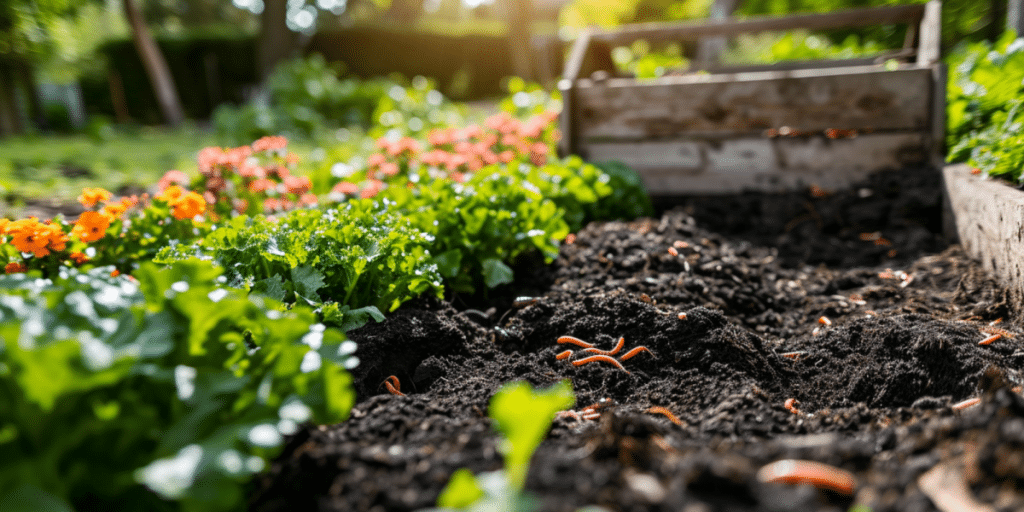
Why Soil Health Matters
Soil health refers to the condition of the soil in terms of its structure, fertility, microbial life, and nutrient content. Healthy soil is essential for plant growth because it provides plants with the nutrients, water, and structure they need to thrive. Poor soil can lead to weak plants, reduced yield, and increased susceptibility to pests and diseases. Improving soil health is not just about adding fertilizer—it’s about nurturing the soil as a living ecosystem.
So, how can we improve soil health? Here are some cutting-edge techniques that are gaining popularity among gardeners for their effectiveness and sustainability.
1. Composting and Organic Matter
Composting is one of the most natural and effective ways to improve soil health. By breaking down organic waste, compost adds vital nutrients, improves soil structure, and supports beneficial microorganisms. The decomposition process creates a nutrient-rich mixture that enhances the soil’s ability to retain moisture, supports microbial diversity, and promotes plant growth.
Why it’s a trend: The rising popularity of composting is largely due to its role in sustainable gardening. With more gardeners becoming eco-conscious, the focus on reducing waste and recycling organic materials is more important than ever. Composting provides a way to reduce landfill waste while improving garden soil.
How to implement it: Start by collecting kitchen scraps like vegetable peels, coffee grounds, and eggshells, as well as yard waste like grass clippings and fallen leaves. Create a compost bin or pile in a well-ventilated spot, and turn the material regularly to speed up decomposition. After a few months, your compost will be ready to mix into your garden beds, significantly boosting soil health.
2. Cover Cropping and Green Manures
Cover cropping involves planting specific crops that are not meant for harvesting but are used to improve soil health. These crops, often referred to as “green manures,” are grown primarily to prevent soil erosion, improve soil structure, and fix nitrogen in the soil.
Why it’s a trend: As soil degradation becomes a growing concern, cover cropping is emerging as a practical solution to prevent erosion and restore soil fertility. By using crops like clover, rye, and vetch, gardeners can enrich the soil without relying heavily on chemical fertilizers.
How to implement it: In the off-season, plant cover crops in your garden beds. These plants help protect the soil from wind and water erosion, while their roots work to stabilize the soil. Some plants, like legumes, also “fix” nitrogen from the air, enriching the soil naturally. After the growing season, cut down the crops and leave them on the soil, where they decompose, returning vital nutrients to the ground.
3. Mulching for Soil Protection and Moisture Retention
Mulching is the practice of covering the soil with organic or inorganic materials to protect it from the elements. Organic mulches, such as straw, wood chips, and grass clippings, break down over time and enrich the soil with nutrients. Inorganic mulches, like plastic or rubber, help retain moisture but do not contribute organic matter.
Why it’s a trend: With the rise of climate-conscious gardening, gardeners are focusing on mulching as a way to reduce water usage, protect the soil from extreme temperatures, and suppress weed growth. It’s a low-maintenance solution that offers long-term benefits for soil health.
How to implement it: Apply a layer of mulch around plants and over bare soil in garden beds. The mulch helps retain moisture, reducing the need for frequent watering, especially in hot and dry climates. It also prevents erosion and protects plant roots from extreme temperature fluctuations. Over time, organic mulch will decompose, further improving soil fertility.
4. No-Till Gardening
The no-till gardening method involves planting without disturbing the soil through tilling. Traditionally, tilling has been used to loosen the soil, but it can destroy soil structure, disrupt beneficial organisms, and lead to erosion. No-till gardening preserves the integrity of the soil, encouraging the growth of beneficial microbes and earthworms.
Why it’s a trend: As awareness of soil erosion and the importance of soil life grows, no-till gardening is gaining traction among sustainable gardeners. By avoiding tilling, you protect the soil’s delicate structure and improve its long-term health.
How to implement it: Instead of tilling, use techniques like lasagna gardening, where layers of organic material such as newspaper, compost, and mulch are stacked on top of the soil. This method adds nutrients to the soil while allowing beneficial organisms to thrive without disruption. You can plant directly into the undisturbed soil using minimal digging or even raised beds.
5. Biochar and its Role in Soil Health
Biochar is a form of charcoal that is created by heating organic materials in a low-oxygen environment. When added to soil, biochar helps improve soil structure, retain moisture, and increase nutrient availability. It also acts as a carbon sink, trapping carbon in the soil and preventing its release into the atmosphere.
Why it’s a trend: As climate change continues to be a critical concern, biochar has gained attention for its potential to sequester carbon and improve soil health. It’s a sustainable, long-term solution that aligns with environmental goals.
How to implement it: Biochar can be added to garden soil by mixing it in with compost or directly applying it to garden beds. It is particularly useful in soils that are prone to drought, as it helps retain water and nutrients.
6. Integrated Pest Management (IPM)
Integrated Pest Management (IPM) is an approach to pest control that minimizes the use of chemicals and focuses on natural solutions. By using beneficial insects, crop rotation, and natural repellents, gardeners can maintain healthy soil while keeping pests in check.
Why it’s a trend: As gardeners move away from synthetic chemicals, IPM has emerged as a more eco-friendly way to control pests without harming the environment or the soil’s microbial life.
How to implement it: Introduce beneficial insects like ladybugs or predatory mites to your garden, which will naturally control harmful pests. Rotate crops regularly to prevent pests from building up in one area, and use organic pest control methods like neem oil or garlic sprays when necessary.
7. Rainwater Harvesting for Sustainable Gardening
Using rainwater to irrigate your garden is another technique that supports soil health by reducing the reliance on municipal water systems. Rainwater is naturally free of salts and chemicals, which can build up in the soil and harm plant health.
Why it’s a trend: With growing concerns over water scarcity and environmental sustainability, rainwater harvesting has become a popular way for gardeners to conserve water while ensuring their plants receive a pure and consistent water source.
How to implement it: Install a rainwater collection system such as a barrel or a more extensive rainwater harvesting system to collect rainwater from your roof. Use the collected water to irrigate your garden, ensuring that your plants receive water that is gentle on the soil and free of harmful chemicals.
Conclusion
Improving soil health is crucial for creating a sustainable and thriving garden. With these innovative techniques—composting, cover cropping, mulching, no-till gardening, biochar, IPM, and rainwater harvesting—you can nourish your soil while being mindful of the environment. Each of these methods plays a vital role in enhancing the soil’s ability to support healthy plant growth, reduce environmental impact, and contribute to the broader sustainability movement in gardening.
By adopting these trends, you can not only improve the health of your soil but also create a garden that thrives naturally, contributing to a healthier ecosystem for generations to come.
References
- Gabbie, K. (2021). The benefits of composting: How it helps your garden and the environment. Available at: https://www.gardenersworld.com (Accessed: 25 September 2025)
- Lanza, A. (2020). Cover cropping: How to enrich soil and fight erosion. Available at: https://www.organicgardener.com (Accessed: 25 September 2025)
- Truelove, J. (2019). No-till gardening: Why it’s better for your soil and plants. Available at: https://www.sustainablegardeningmagazine.com (Accessed: 25 September 2025)

 Wellness Practices That Encourage Mindfulness