Wellness Practices That Encourage Mindfulness
Sofia Marquez September 25, 2025
In today’s fast-paced world, where stress and distractions are part of the daily grind, mindfulness has become essential for maintaining mental and emotional balance. From meditation apps to wellness retreats, mindfulness has evolved beyond the traditional practice of quiet contemplation. In 2025, new wellness practices are emerging that make it easier for people to embrace mindfulness in their hectic lives. These trends focus on enhancing well-being through innovative methods, blending technology with ancient practices to help individuals reconnect with themselves and the world around them. Let’s explore the wellness practices that are reshaping the way we practice mindfulness.
1. Digital Detox: Unplugging for a Clearer Mind
As technology continues to dominate our lives, digital detox has gained momentum as a key wellness practice. In 2025, more people are recognizing the impact constant screen time has on mental health. Social media notifications, emails, and endless scrolling can hinder mindfulness by keeping the mind in a constant state of overstimulation. Digital detox involves taking intentional breaks from screens, whether it’s for a few hours or a full day, allowing individuals to reset their brains and focus on the present moment.
Why it works
By disconnecting from digital distractions, people can regain control over their mental space. This practice reduces the noise, allowing individuals to focus on their surroundings, interactions, and thoughts without interruption. As a result, digital detox fosters mindfulness by cultivating a peaceful environment, leading to reduced stress and increased mental clarity.
2. Sensory Mindfulness Practices: Engaging the Senses for Greater Awareness
A growing trend in mindfulness is the incorporation of sensory practices. These techniques focus on heightening sensory experiences to ground the individual in the present. Practices like mindful eating, sound baths, and scent-based meditations encourage individuals to tune into their sensory experiences rather than letting them pass by unnoticed.
The power of sensory engagement
By deliberately engaging the senses—whether through tasting food mindfully, listening to calming sounds, or even using essential oils—individuals become more attuned to the present. These practices help individuals step away from their fast-paced thoughts and immerse themselves in their immediate surroundings. The result? A deeper connection to the body and a more profound sense of mindfulness.
3. Nature Immersion: Reconnecting with the Outdoors
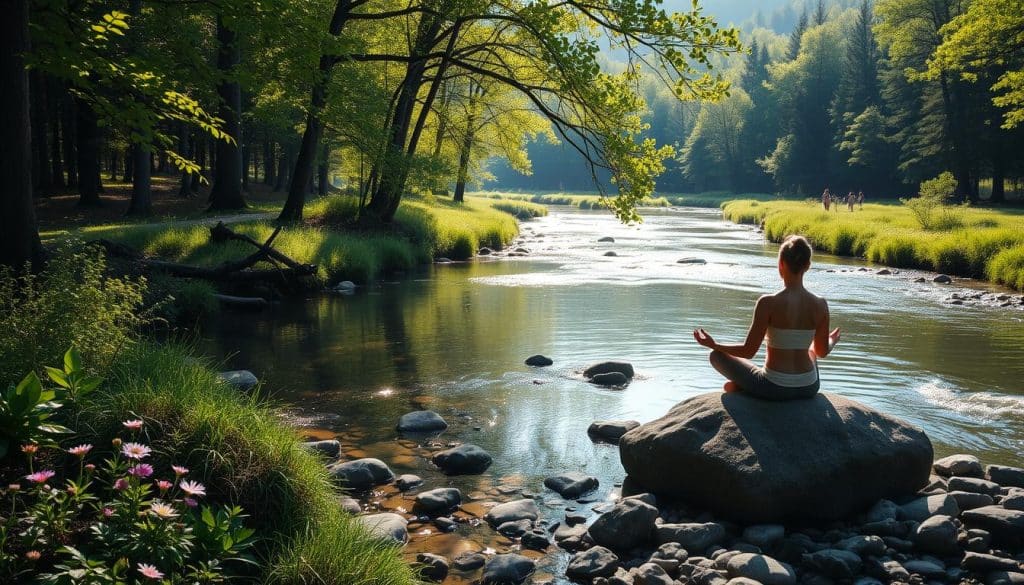
Spending time outdoors has long been linked with improved mental health, but in 2025, nature immersion is becoming an intentional mindfulness practice. Forest bathing (Shinrin-yoku), hiking, and simply spending time in green spaces are practices that encourage mindfulness by fostering a deeper connection with nature.
Scientific backing
Research shows that exposure to nature can reduce stress, lower blood pressure, and enhance feelings of well-being. Immersing oneself in nature offers a simple but powerful way to practice mindfulness. The sights, sounds, and smells of the natural world help soothe the mind, allowing individuals to focus on their breath and surroundings.
4. Biohacking for Mindfulness: The Intersection of Technology and Wellness
While some wellness trends encourage unplugging, others are integrating technology to enhance mindfulness practices. Biohacking, which involves using technology to optimize physical and mental performance, is gaining popularity. Devices like wearable meditation trackers, brainwave-enhancing headbands, and guided sleep aids are designed to help users optimize their mindfulness practice.
How biohacking enhances mindfulness
These devices can track brain activity, heart rate, and sleep patterns, providing real-time data to help individuals understand how their bodies react to stress and relaxation. By using this information, people can adjust their habits to promote a more mindful, balanced life. Whether through enhanced sleep quality or more effective meditation, biohacking is helping individuals achieve better mindfulness outcomes.
5. Mindful Movement Practices: Yoga and Tai Chi for Mental Clarity
Physical practices like yoga and Tai Chi have long been associated with mindfulness. In 2025, these mindful movement practices continue to thrive, with an increasing number of people adopting them to improve both mental and physical well-being. These practices emphasize slow, deliberate movements and deep breathing, which help individuals stay present in their bodies.
The benefits of mindful movement
Yoga and Tai Chi combine physical movement with mental focus, helping to clear the mind and release tension. The integration of breath and movement in these practices enables participants to cultivate a state of mindfulness that supports overall well-being. Whether it’s a gentle yoga session or a Tai Chi flow, mindful movement promotes relaxation, reduces stress, and fosters mental clarity.
6. Mindfulness in Daily Life: Incorporating Presence into Routine Tasks
Mindfulness isn’t just about structured practices like meditation or yoga. In 2025, more individuals are focusing on bringing mindfulness into their everyday routines. Whether it’s taking a mindful walk, practicing gratitude while doing the dishes, or focusing on each breath while waiting in line, the concept of mindfulness in daily life is gaining popularity.
Making mindfulness a habit
Incorporating mindfulness into routine tasks can make it easier to stay present throughout the day. It doesn’t require extra time or space—just an intentional focus on the task at hand. This practice helps individuals reduce mindless distractions and cultivate a more present, peaceful mindset throughout their day.
7. Guided Mindfulness: Virtual Classes and Apps
The rise of wellness technology has also extended to mindfulness practices. In 2025, mindfulness apps and virtual classes are thriving, offering accessible ways for people to practice mindfulness wherever they are. Apps like Headspace, Calm, and Insight Timer offer guided meditations, breathing exercises, and mindfulness courses that help individuals stay on track with their practice.
Convenience and accessibility
These apps provide users with personalized programs, guided sessions, and reminders to practice mindfulness. They are ideal for individuals looking for flexibility in their practice, allowing them to integrate mindfulness into their schedules in a way that suits them. These digital tools make mindfulness accessible to anyone, regardless of their experience level.
Conclusion: A Mindful Future Awaits
As wellness practices continue to evolve, mindfulness remains a cornerstone of personal well-being. In 2025, new trends like digital detox, sensory mindfulness, and biohacking are making it easier than ever to incorporate mindfulness into daily life. Whether through technology, nature immersion, or mindful movement, these practices allow individuals to cultivate deeper awareness, reduce stress, and enhance their overall health.
By embracing these emerging trends, individuals can find unique ways to incorporate mindfulness into their lives and experience the benefits of being truly present.
References
- Kabat-Zinn, J. (1990). Full catastrophe living: Using the wisdom of your body and mind to face stress, pain, and illness. Available at: https://www.penguinrandomhouse.com (Accessed: 25 September 2025)
- Dunne, J. D. (2015). The experience of mindfulness in everyday life: A novel approach to understanding its impact on psychological well-being. Available at: https://www.frontiersin.org (Accessed: 25 September 2025)
- Hölzel, B. K., Carmody, J., Vangel, M., & et al. (2011). Mindfulness practice leads to increases in regional brain gray matter density. Available at: https://www.sciencedirect.com (Accessed: 25 September 2025)

 Emerging Trends in FinTech for 2025