Discover Minimalism for a Calmer Daily Life
Amira Solberg October 21, 2025
Embracing minimalism in lifestyle and entertainment can bring surprising calm and clarity to daily life. This article explores practical ways to simplify surroundings, routines, and entertainment choices while highlighting how minimalism delivers lasting well-being and fulfillment.
Minimalism and Its Surprising Impact on Daily Life
The movement toward minimalism continues to attract attention worldwide. At its core, minimalism means intentionally owning fewer things and focusing energy on what brings genuine joy or utility. Minimalism goes well beyond decluttering a living room; many find that the mental peace achieved from this lifestyle is even greater than the initial satisfaction of tidying up. Cutting excess in possessions, digital media, and overbooked schedules makes room for mindful living and meaningful hobbies. Minimalism can create new ways to understand lifestyle choices, especially when integrating entertainment and relaxation. By simplifying entertainment—streamlining subscriptions, being selective with content, and choosing experiences that enrich rather than distract—many people find higher satisfaction and less stress. Studies support the idea that simplified environments positively influence mental well-being and emotional clarity (https://www.ncbi.nlm.nih.gov/pmc/articles/PMC5579354/).
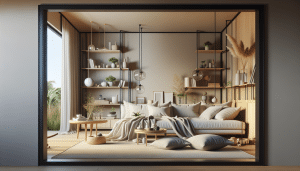
Minimalism helps foster intention in daily routines. Instead of commuting through a crowded calendar of obligations, minimalists often describe feeling more present and engaged, whether spending time alone or with loved ones. The lifestyle naturally encourages mindfulness. Each activity is given space to stand out, which can support deeper relationships and improved concentration. Furthermore, prioritizing the essentials means fewer distractions, giving room for self-care, creative projects, or relaxing entertainment options. Integrating minimalism into home decor, for example, allows personal spaces to be more soothing, reflecting a sense of calm that extends into other parts of life. There’s a growing trend toward minimalist-inspired interiors, which focus on neutral colors, open space, and subtle textures designed to evoke tranquility.
Entertainment habits can easily become overwhelming with so many choices available. Streaming platforms, social media, and constant access to digital content can quickly lead to decision fatigue. That’s where minimalism steps in, enabling people to create simple entertainment routines—selecting a few favorite shows, dedicating time to one engaging hobby, or embracing outdoor activities. The intention is quality over quantity, leading to deeper enjoyment and less anxiety. Research suggests that limiting digital clutter and focusing on fewer activities helps improve concentration and satisfaction (https://www.apa.org/monitor/2021/09/ce-cyberpsychology).
Simplifying Your Home: From Decor to Digital Spaces
Creating a minimalist home begins with reassessing what adds value to your daily experience. Rather than keeping surplus items out of habit, consider downsizing possessions to only those that serve a purpose or evoke happiness. This applies not just to furniture and decor, but to kitchen gadgets, clothing, and even digital files. By clearing surfaces and reducing knick-knacks, rooms appear larger, brighter, and more peaceful. Minimalist home design uses space thoughtfully, eliminating unnecessary visual noise and highlighting what matters. For many, a minimalist home is more inviting—a sanctuary where stress can melt away at the end of a busy day.
Digital clutter is just as pervasive as physical clutter, if not more. Every device—phones, tablets, laptops—can quickly become overwhelmed with unused apps, redundant documents, and scattered notifications. Minimalism encourages a mindful curation of these digital spaces. This might include organizing files into accessible folders and unsubscribing from newsletters that no longer serve a purpose. With fewer distractions competing for attention, it becomes easier to focus on genuinely enjoyable digital experiences, whether that means streaming a favorite documentary or participating in an online book club. These approaches help balance the fine line between digital connection and digital overload (https://www.pewresearch.org/internet/2019/07/25/the-things-you-own-end-up-owning-you/).
Making incremental changes is often most effective for a minimalist shift. Some recommend a “one in, one out” approach: for every new object or piece of content acquired, another is let go. Others block out specific times for digital decluttering or designate “tech-free zones” within the home, promoting more mindful entertainment and powerful moments of disconnection. These strategies not only make living and digital spaces more functional, but promote healthier relationships with consumption and leisure. Over time, even small changes can bring about a lasting sense of simplicity, helping sustain the minimalist lifestyle.
Minimalist Entertainment: Choosing Experiences Over Excess
Entertainment doesn’t have to come wrapped in excess. The minimalist approach to leisure involves choosing experiences that offer depth and meaning, rather than scattering time across endless channels and platforms. Attending an art exhibit, visiting a local theater, or simply taking a mindful walk can be far more fulfilling than passive scrolling—even if these activities require saying no to more options. Studies have shown that investing in experiences, rather than possessions, leads to longer-lasting happiness (https://greatergood.berkeley.edu/article/item/why_you_should_spend_your_money_on_experiences_not_things).
Minimalist entertainment also focuses on curation. This means being discerning about what is consumed, and when. Instead of letting autoplay run for hours, consider setting aside intentional movie or reading nights with carefully selected content. Similarly, cultivating hobbies—like gardening, music, or crafts—can become enriching forms of entertainment that naturally limit screen time and encourage creativity. These mindful practices help to create routines that feel restorative, not draining.
Many people discover that social connection is an essential pillar of minimalist entertainment. From board games with friends to collaborative cooking sessions, shared activities replace passive consumption with meaningful interaction. Social distractions are minimized, leaving more room for laughter, conversation, and connection. Minimalism doesn’t mean scarcity; rather, it is about abundance in meaning and intention. Entertainment, thus, becomes a tool for joy and growth rather than simply a way to pass the time.
Benefits of a Minimalist Lifestyle for Mental Health
Mental health professionals have observed a notable shift toward minimalism for its positive effects on emotional well-being. Clutter in surroundings is linked to higher stress, anxiety, and even difficulty focusing. A streamlined environment, both physical and digital, can reduce these obstacles and make it easier to rest and recharge. Simplicity cultivates mindfulness, allowing the mind to settle on what really matters. There is empowering evidence that prioritizing essentials supports greater happiness in everyday routines (https://www.health.harvard.edu/mind-and-mood/a-clean-home-is-a-healthy-home).
Minimalism can help create routines that support mental resilience. With fewer distractions, it’s easier to maintain focus and recover energy. Reduced visual and auditory clutter provides an environment where calm is easier to reach, whether through meditation, creative projects, or simple relaxation. This sense of order and peace naturally discourages overwhelm and supports healthier stress responses—a key aspect of well-being. Even small minimalist habits, like nightly tidying or disconnecting from unnecessary alerts, can be powerful tools for creating balance.
Another advantage is better alignment between values and actions. Choosing to focus on fewer, more intentional commitments allows minimalists to feel as though they are living more authentically. The process of letting go—whether of possessions, obligations, or digital consumption—can open space for growth and deep satisfaction. As routines become simpler, self-awareness grows, and decision-making becomes more deliberate, helping many feel more in control over their environment and experiences.
Getting Started: Practical Steps for Living with Less
Minimalism is most sustainable when applied one step at a time. Begin with simple activities like decluttering one drawer, editing your streaming watchlist, or creating a daily “to enjoy” routine focused on a single, restorative activity. Focusing on easy wins fosters a sense of progress, encouraging gradual and lasting lifestyle shifts. Each small victory—donating unused goods or turning off push notifications—builds momentum for larger changes down the line.
Another approach is to prioritize quality over quantity in daily choices. Choose versatile clothing and multi-purpose home tools, or opt for shows and books that bring genuine joy rather than just passing time. Social activities, too, can be simplified without losing meaning. Dinners with close friends or relaxed family game nights can be deeply rewarding and more memorable than attending crowded events or chasing trends. Making space for rest and hobbies that feel personally enriching contributes to ongoing satisfaction in daily life.
Tracking progress helps reinforce minimalist habits. Use journals, digital checklists, or mood trackers to reflect on what routines feel most supportive. Many people enjoy setting monthly “declutter” days or digital detox weekends to keep the momentum moving forward. Support communities, online or in person, also provide motivation and new ideas for sustaining minimalism. The shift happens steadily—each intentional decision brings a little more peace, balance, and enjoyment into daily living.
Minimalism for Families: Navigating Shared Spaces and Routines
Families can adopt minimalism together, creating shared routines and spaces that support everyone’s needs. Begin by discussing which belongings and activities are most meaningful, and set goals as a unit for decluttering and simplifying. Collaborative efforts work well in shared spaces, like the living room or kitchen, where the benefits of reduced clutter can be enjoyed by all. Children, too, can benefit by learning early about mindful consumption and appreciating meaningful experiences over accumulating things.
Shared entertainment can be recalibrated around quality time. Rather than accumulating toys or endless content subscriptions, families might plan outings, read together, or experiment with group art projects. Designating certain areas as device-free zones or opting for a family walk after dinner encourages genuine connection and breaks the cycle of passive screen time. These habits foster communication, collaboration, and emotional safety.
It’s important to acknowledge unique preferences within any group. Minimalism is not one-size-fits-all. Some may need time to adjust to the process of letting go or rediscovering simple pleasures. Clear, supportive communication helps address differences and keeps everyone aligned with the family’s shared vision for a simpler, more intentional lifestyle. Over time, families often find they grow closer as their routines and space become less chaotic and more connected.
References
1. Saxbe, D. E., & Repetti, R. L. (2010). No place like home: Home tours correlate with daily patterns of mood and cortisol. Social Science & Medicine, 72(12), 1965-1972. https://www.ncbi.nlm.nih.gov/pmc/articles/PMC5579354/
2. American Psychological Association. (2021). Reducing digital distractions. Monitor on Psychology. https://www.apa.org/monitor/2021/09/ce-cyberpsychology
3. Pew Research Center. (2019). Digital declutter: The impact of technology on life. https://www.pewresearch.org/internet/2019/07/25/the-things-you-own-end-up-owning-you/
4. Harvard Health Publishing. (n.d.). A clean home is a healthy home. https://www.health.harvard.edu/mind-and-mood/a-clean-home-is-a-healthy-home
5. Greater Good Science Center, UC Berkeley. (n.d.). Why you should spend your money on experiences, not things. https://greatergood.berkeley.edu/article/item/why_you_should_spend_your_money_on_experiences_not_things
6. Mayo Clinic. (n.d.). Stress management: Declutter your world, declutter your mind. https://www.mayoclinic.org/healthy-lifestyle/stress-management/in-depth/clutter/art-20270178

 Is Online Learning Right for You Explore Modern Education Paths