Experimenting With Minimalism Trends For You
Amira Solberg September 28, 2025
Find out how minimalism continues to shape lifestyle and entertainment choices. From home design to mindful consumption, this guide explores how you can integrate minimalism trends into daily routines for more clarity, balance, and personal fulfillment.
The Rise of Minimalism in Modern Lifestyles
Minimalism has gained substantial popularity as people seek simplicity in a world overflowing with distractions. This trend goes beyond decluttering. It influences numerous aspects of life, including daily habits, interior design, and even the way entertainment is consumed. Many individuals find that adopting minimalist values brings greater clarity, efficiency, and happiness by focusing on what truly matters. As digital clutter grows and responsibilities multiply, this movement offers a path toward intentional living with less stress and more satisfaction.
Minimalism in lifestyle can mean different things for different people. Some might choose to downsize their possessions, focusing on utility and beauty. Others may incorporate minimalist routines—like mindful eating, digital detoxes, or slow entertainment choices—that encourage thoughtful engagement over quantity. Popular minimalism advocates often highlight that reducing excess not only frees physical space but offers mental relief. As a result, many individuals report decreased anxiety and a deeper connection to daily experiences. This dramatic shift in prioritizing quality over quantity captures the attention of those seeking balance in busy urban centers and quieter communities alike.
The broader culture is now embracing the visual and functional aspects of minimalism trends. Public figures, content creators, and even major brands celebrate simplicity in design and messaging. The reasons behind this shift range from environmental concerns to a growing desire for authenticity and well-being. These influences sparkle across social media, streaming services, and even popular entertainment styles. For many, minimalism is not just an aesthetic choice; it is a lifestyle direction that offers renewed purpose and joy amid modern chaos (https://www.apa.org/monitor/2021/02/ce-corner-minimalism).
Minimalism in Home Design and Organization
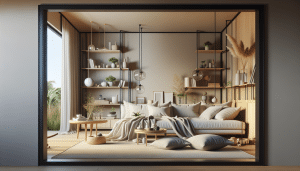
Home is often where minimalism finds its first true expression. Open layouts, neutral color palettes, and carefully chosen furniture capture the essence of minimalist home design. Removing unnecessary items helps emphasize light and space, making even small rooms feel larger. Streamlined kitchens, living areas, and bedrooms provide a visual oasis from life’s visual and emotional clutter. As smart storage solutions gain popularity, homeowners and renters alike can maximize functionality while keeping visual distractions at bay. Minimalist spaces support calm, which is especially valuable in fast-paced environments.
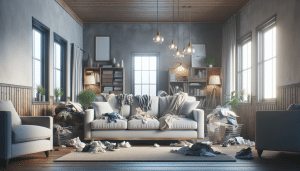
Organizational techniques further power the minimalist home. Labeling, compartmentalizing, and regular purging sessions become routines that reinforce clarity and control. Consider the practice of one-in, one-out, where a new item means donating or discarding an old one. This approach helps prevent the gradual buildup of unnecessary belongings. The beauty of these home organization strategies is that they do not require a complete overhaul. Subtle adjustments—like clear countertops, uncluttered entryways, and hidden storage—make minimalist living attainable for almost anyone. Households adopting these habits often note improved mood and productivity.
Minimalism in interior design is also about intention and authenticity. Furniture is chosen for its comfort and usefulness. Decorative items are more often limited to meaningful objects rather than visual noise. Even light fixtures and window treatments play a role in letting rooms feel open and breezy. By letting go of what doesn’t serve a purpose or spark joy, spaces become easier to maintain and more welcoming to visitors. This foundational minimalism trend can serve as a catalyst for adopting further mindful habits in other facets of life (https://www.houzz.com/magazine/minimalism-how-to-get-the-look-you-love-stsetivw-vs~63270231).
Minimalism and Mindful Consumption Choices
Minimalism extends into daily habits with a strong focus on mindful consumption. This extends beyond material goods to food, media, and technology. Practicing mindful consumption means evaluating wants versus needs and opting for fewer, better experiences. In entertainment, it often means choosing quality time over constant background noise—curating favorite films, books, or playlists rather than feeling obligated to keep up with every trend. Many followers find that consciously limiting exposure to advertisements and social feeds results in clearer thinking and an increased appreciation for chosen experiences.
One striking area where minimalism influences consumption is fashion. The concept of the capsule wardrobe captures the minimalist mentality, highlighting a small, interchangeable set of garments that work in various settings. Such wardrobes emphasize timelessness and personal style over fleeting trends. This shift results in not only a less cluttered closet but also a more sustainable approach to clothing. Many community members share their minimalist wardrobe journeys online, sparking fresh dialogue about conscious buying habits. This growing conversation highlights minimalism as both a personal and global movement.
Minimalism in the tech realm encourages digital decluttering practices. These may include routine inbox cleaning, uninstalling rarely-used apps, and scheduling regular digital detoxes. Cutting down on passive browsing can free up mental bandwidth for more fulfilling hobbies or in-person connections. There’s growing evidence that these habits help decrease stress levels and promote digital well-being. As people begin to see the impact of intentional screen time, many report increased creativity, focus, and emotional resilience. Mindful consumption extends beyond material boundaries, transforming daily joy and personal freedom (https://www.mindful.org/embrace-minimalism).
Minimalism in Entertainment and Leisure
Entertainment spaces are now shaped by minimalist values. Streaming services offer carefully curated collections to avoid endless scrolling. Instead of overwhelming viewers, these platforms encourage intentional choices. Some people build themed viewing schedules or seek out independent films that focus on depth over spectacle. Board games and analog pursuits like puzzles, painting, or reading regain favor for the way they create unplugged, screen-free downtime. Minimalist entertainment is about savoring fewer, more meaningful experiences rather than chasing every new release. This approach is fueling a growing shift toward purposeful leisure.
The trend of minimalism also influences travel and recreational activities. People are prioritizing fewer but more immersive trips, seeking memorable connections with places and cultures instead of rapid sightseeing. Slow travel—staying longer in one locale, absorbing daily rhythms, and connecting with locals—is gaining traction. Outdoor activities, from hiking to mindful walking, serve as minimalist entertainment that merges wellness with leisure. The focus is on genuine presence and exploration instead of ticking experiences off a crowded itinerary.
Minimalism influences personal gatherings too. Dinner parties might feature simple but high-quality dishes, candles, and music, placing emphasis on conversation and connection. Social events now frequently revolve around meaningful activities—shared cooking, crafts, or collaborative games—instead of elaborate setups. This movement favors authenticity, fostering stronger bonds and reducing planning stress. By transforming leisure time into opportunities for real enjoyment rather than obligations, minimalist entertainment strategies offer new ways to recharge and connect with what brings happiness (https://www.psychologytoday.com/us/blog/experimentations/202207/6-ways-minimalism-sparks-joy).
The Positive Impacts of Minimalism on Well-being
Minimalist living supports overall well-being in various ways. Physically, thoughtfully arranged environments are easier to clean and maintain, which leads to less daily hassle. Psychologically, mental load is reduced as clutter diminishes, creating space for creative thinking and relaxation. Many studies show that organized surroundings foster a calmer state of mind. Additionally, the habits cultivated through minimalist routines can encourage mindfulness. Mindful living enables more purposeful decision-making, greater emotional resilience, and a clearer sense of gratitude.
For some, the initial transition to minimalism feels like a challenge. Letting go of accumulated belongings or curbing new purchases can stir up emotional resistance. Yet, research indicates that people often report increased happiness after the adjustment period. Minimalist approaches tend to deepen relationships, as shared experiences receive more value than material gifts. Communities, both online and local, provide guidance and support for those experimenting with these ideas. Such networks help individuals adjust at their own pace, without judgment or pressure to achieve perfection.
Minimalism is ultimately about alignment with personal values. This alignment cultivates contentment and a greater sense of freedom. Rather than feeling restricted by fewer choices, people experience newfound liberty—space to pursue passions, build deeper connections, or rest well. The positive outcomes frequently ripple into other domains, leading to healthier routines, improved self-esteem, and more energy for meaningful pursuits. These changes demonstrate why minimalism continues to inspire countless individuals on their personal wellness journeys (https://greatergood.berkeley.edu/article/item/seven_ways_minimalism_can_lead_to_more_happiness).
Practical Tips for Starting Your Minimalist Journey
Starting with small changes makes shifting to minimalism approachable. Begin by identifying a single room or category—such as clothing or kitchenware—and sort through every item. Ask if each piece brings value or serves a practical function. If not, set it aside for donation or recycling. Tackling small projects helps build momentum and reinforces decision-making confidence. Many people find the initial decluttering process both liberating and surprisingly emotional, especially as hidden treasures and forgotten memories surface.
Experience suggests that setting clear intentions is key to sustaining minimalism. Write down core motivations—whether it’s reducing stress, saving money, or freeing up more time for hobbies. Review these goals regularly to stay aligned with personal wants and needs. Practice mindfulness during shopping trips, resisting impulse purchases, and seeking out sustainable options that align with your minimalist values. Over time, bolstered habits may extend to relationships, commitments, and calendar management, bringing a sense of balance to every aspect of life.
Practical tools and resources are available to support your journey. Books, online challenges, and minimalist communities offer tips, shared experiences, and ongoing encouragement. Attend local swaps, organize clothing exchanges, or explore content from thought leaders in the movement. It’s important to remember that minimalism looks different for everyone; your unique needs, rhythms, and preferences shape the most rewarding outcomes. Keep exploring and learning, and minimalism will gradually transform from a trend into a naturally integrated lifestyle (https://www.nytimes.com/guides/smarterliving/how-to-declutter).
References
1. American Psychological Association. (2021). Minimalism: What Is It and Why Does It Matter? Retrieved from https://www.apa.org/monitor/2021/02/ce-corner-minimalism
2. Houzz Editorial Team. (n.d.). Minimalism: How to Get the Look You Love. Retrieved from https://www.houzz.com/magazine/minimalism-how-to-get-the-look-you-love-stsetivw-vs~63270231
3. Mindful Staff. (n.d.). Embrace Minimalism. Retrieved from https://www.mindful.org/embrace-minimalism
4. Psychology Today. (2022). 6 Ways Minimalism Sparks Joy. Retrieved from https://www.psychologytoday.com/us/blog/experimentations/202207/6-ways-minimalism-sparks-joy
5. Greater Good Magazine. (n.d.). Seven Ways Minimalism Can Lead to More Happiness. Retrieved from https://greatergood.berkeley.edu/article/item/seven_ways_minimalism_can_lead_to_more_happiness
6. New York Times Smarter Living. (n.d.). How to Declutter Your Home. Retrieved from https://www.nytimes.com/guides/smarterliving/how-to-declutter

 How Quantum Computing May Change Everything