Smart Living Room Upgrades You Haven’t Considered Yet
Amira Solberg September 27, 2025
Ready to refresh your home? Unlock innovative ideas for living room upgrades that blend style, technology, and comfort. This guide explores clever ways to use space, add modern flair, and create an entertainment hub—all while optimizing your lifestyle.
Transforming Space with Minimalism
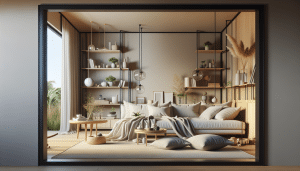
Minimalism offers more than a tidy aesthetic—it’s a mindset. By creating intentional spaces, you can make a living room feel larger without sacrificing comfort. Start by decluttering and choosing multi-purpose furniture. Simple lines, hidden storage, and neutral colors free the mind and encourage relaxation. The less-is-more approach draws attention to quality, texture, and light. Want a lively vibe? Accent colors or bold art can still shine in a minimalist design if used sparingly. Flexibility matters. A modular sofa or foldable tables work wonders when space is at a premium. Explore minimalist layouts that inspire calm and boost daily living without excess. Enhance function, not just appearance, for sustainable lifestyle changes that create true comfort (Source: https://www.houzz.com/magazine/minimalism-in-the-living-room-stsetivw-vs~118335555).
Natural light is vital in minimalist living rooms. Large windows, sheer curtains, and carefully placed mirrors can amplify brightness and make even compact rooms feel roomy. Consider wall-mounted shelves to create vertical interest and open up floor space for easy movement. Houseplants are a minimalist’s secret weapon—they add energy and vibrancy without clutter. Choose easy-care greenery for a touch of nature and cleaner air. Design choices in minimalist spaces often lean toward timeless rather than trendy, making them adaptable for future updates. Smart storage—like built-in benches or concealed cabinetry—keeps everyday items out of sight, preserving the clean lines that define the minimalist look.
Ditching clutter can also contribute to better mental clarity. Research suggests that organized, calm environments support emotional well-being. Feeling overwhelmed by stuff? Start with small changes. Remove duplicates, clear coffee tables, and store only essential electronics visibly. Over time, this routine leads to less distraction and a greater appreciation for each piece in your living space. Minimalist upgrades often require fewer purchases, aligning with sustainable lifestyle values. Let the room breathe—discover the peace in open space and functional design (Source: https://www.apartmenttherapy.com/how-minimalism-helps-mental-health-367230).
Creating an Entertainment-Focused Hub
Turn your living room into an entertainment oasis. Begin by assessing available space and how you use it—watching movies, gaming, or hosting friends. The choice of entertainment technology can transform the experience: smart TVs, surround-sound systems, and streaming devices offer endless options. Soundbars provide cinematic audio with minimal clutter. Smart lighting can adjust color and intensity for movies or game nights, setting the perfect mood with a tap or voice command. Consider integrated charging stations or discreet cable management to keep the focus on enjoyment, not distractions. With so many entertainment upgrades on the market, pick flexible equipment that adapts to evolving needs and tech advancements (Source: https://www.cnet.com/home/smart-home/tips-for-setting-up-an-entertainment-room-at-home/).
Creating a media wall is a popular upgrade. Floating cabinets, wall-mounted screens, and built-in shelving make organizing your tech and décor effortless. Try smart bulbs that connect with home assistants for voice-controlled ambiance during shows or parties. Acoustic wall panels not only improve sound but can double as décor, available in various custom shapes and colors. For those who entertain often, modular seating such as ottomans or lightweight sectionals ensure adaptable arrangements. Don’t forget a dedicated space for board games or reading—entertainment means different things to everyone.
Well-designed entertainment spaces invite people to linger. That’s why comfort matters: plush rugs, adjustable lighting, and breathable fabrics create an inviting feel. Hidden mini-fridges or a stylish beverage cart let guests help themselves without trips to the kitchen. If you crave a cinematic experience, dark curtains and reclining chairs deliver that theater-at-home vibe. Choose upgrades that fit many uses—movie marathons, holiday gatherings, or solo downtime. Thoughtful tech integration makes every moment easier and more relaxing (Source: https://www.techradar.com/how-to/home-cinema-setup-the-definitive-guide).
Blending Smart Home Features Seamlessly
Smart home features are transforming how we live and entertain. In the living room, automation can simplify routines: voice assistants manage lighting, thermostats, and music playlists. Integrating smart plugs allows control over lamps and gadgets from a single device, making daily tasks hands-free. Start with a central hub; this device connects all smart products and keeps controls streamlined. Homeowners might begin with lighting, then expand to security or climate options. Ensure compatibility—devices should work together for a seamless feel. With every upgrade, focus on intuitive tools rather than just adding devices. Smart upgrades work best when they blend invisibly into everyday living, rather than standing out (Source: https://www.smarterhomestore.com/blogs/news/a-guide-to-smart-home-automation-in-the-living-room).
Privacy and security are vital when adding smart features. Always update firmware, choose secure passwords, and review app permissions to maintain control over your environment. Voice assistants and motion sensors collect data—ensure settings align with comfort levels. Some people enjoy advanced options, like automating curtains or integrating air quality sensors. Adaptive lighting, which changes with natural light throughout the day, boosts comfort and saves energy. Opt for user-friendly ecosystems to avoid confusion, especially if non-tech users live at home. The most valuable tech vanishes into routines, requiring little thought after setup.
Assistive technology also enhances accessibility. Smart speakers offer hands-free help for those with mobility challenges. Automated routines—such as setting “movie mode”—can dim lights, close blinds, and start music at once. These tools not only add convenience but bring more independence into daily living. Explore what combinations bring out the best in your living room. Pick upgrades that prioritize your preferred lifestyle—some prefer simplicity, while others embrace all smart options. Either way, seamless integration supports stress-free downtime and boosts entertainment potential (Source: https://www.wired.com/story/best-smart-home-devices/).
Adding Personality with Art and Textiles
Your living room deserves a unique touch. Art, textiles, and personal collections provide that signature feel. Try a gallery wall of prints, travel photos, or abstract canvases. Mixing frame sizes and finishes adds depth, while keeping a common theme (color, style) creates harmony. Wall sculptures or large statement pieces attract attention and offer conversation starters. Curated collections—ceramics, vintage posters, or meaningful keepsakes—shape the room’s character. Layering these pieces turns even a smart or minimal space into something that tells a story (Source: https://www.artsy.net/article/artsy-editorial-transform-living-room-art).
Textiles can change a room’s mood. Swapping cushions, throws, or rugs means instant freshness, especially with seasonal shifts. Natural fibers—wool, linen, cotton—add texture and comfort underfoot. Patterns and colors set the room’s tone: try calming hues for tranquility or bold prints for energy. Window treatments, like layered curtains or Roman shades, frame views while tying your design together. For renters or frequent redecorators, textile swaps are affordable and practical ways to test new looks without commitment.
Lighting also plays a role in showcasing art and textiles. Accent lights bring out details in paintings or collections after dark. Use floor lamps or wall sconces to highlight focal points or gently wash textured surfaces with warmth. Dimmable switches make it easy to create different scenes—bright for gatherings, soft for relaxing. Personalizing your lighting, art, and textiles connects the living room to your tastes, making it the true heart of your home. These upgrades reflect you—not just trending styles (Source: https://www.housebeautiful.com/room-decorating/living-family-rooms/amp3408/living-room-art-ideas/).
Balancing Comfort and Sustainability
Eco-friendly design choices contribute to a stylish, healthy living room. Opt for furniture crafted from renewable or recycled materials—bamboo, reclaimed wood, or responsibly sourced wool are popular. Sustainable brands often use non-toxic finishes and prioritize durability, helping both the planet and your investment. Besides furniture, consider natural fiber rugs and organic cotton cushion covers. Energy-efficient LED lighting cuts utility bills and reduces environmental impact. Indoor plants further purify air and infuse the room with nature. Simple swaps make a big difference: think glass instead of plastic, refurbished instead of new. Sustainable upgrades often become talking points, as guests learn about your earth-conscious approach (Source: https://www.architecturaldigest.com/story/sustainable-living-room-design).
Comfort doesn’t need to sacrifice sustainability. Invest in plush seating with eco-friendly foam or recycled fill. Layer natural and recycled wool blankets for warmth. Dual-purpose furniture—like ottomans with storage—reduces need for extra pieces. Choose locally made decor where possible, lowering delivery emissions. Air purifying plants such as snake plants or peace lilies help regulate humidity and support health. These elements work together, creating a calming retreat that’s grounded in environmental responsibility.
Mindful upgrades mean assessing what you already own. Repurpose older furniture with new upholstery or a fresh paint job instead of replacing items outright. If purchasing, look for certifications like FSC (Forest Stewardship Council) or GREENGUARD to verify eco-friendly claims. As interests shift, sustainable approach helps avoid unnecessary waste. A comfortable, responsibly designed living room proves you don’t have to choose between trends, comfort, and care for the planet. Enjoy a space that feels good and does good—one thoughtful upgrade at a time (Source: https://www.nytimes.com/wirecutter/guides/eco-friendly-ways-upgrade-your-home/).
Flexible Design for Growing Needs
Lifestyle shifts and family changes mean living rooms must adapt. Flexible furniture is a star: modular sectionals rearrange for movie nights or guests, while nesting tables tuck away when not needed. Murphy beds or sleeper sofas make it easier to host relatives or turn the living area into a weekend guest suite. Open shelving and baskets adjust to evolving storage needs, ideal for kids’ toys or growing book collections. Creating “zones” with rugs or lighting divides the room for work, relaxation, or play. Adaptability ensures your upgrades keep pace with life’s twists and turns (Source: https://www.elledecor.com/design-decorate/room-ideas/g936/flexible-furniture-ideas/).
Technology also brings flexibility. Rolling AV carts, Bluetooth speakers, or wireless charging pads shift locations as activities change. Children or teenagers may want streaming and gaming stations, while adults might carve out a cozy reading nook or remote work corner. Look for options that are easy to install or remove—clip-on lights, peel-and-stick wall panels, or portable projectors expand possibilities without permanent changes. Flexible upgrades empower your creativity and make it simple to keep things fresh.
Don’t be afraid to experiment. Rearranging art, swapping lamps, or changing cushion covers can instantly reset a room’s energy. Seasonal décor, rotating plants, or thematic setups for celebrations keep the space interesting. The living room can truly reflect your evolving lifestyle when it’s built around change, not just permanence. This adaptability offers a sense of possibility—there’s always a way to make the space suit current needs, whether for one or a crowd.
References
1. Fisher, A. (2020). Minimalism in the living room: How to create a serene space. Retrieved from https://www.houzz.com/magazine/minimalism-in-the-living-room-stsetivw-vs~118335555
2. Apartment Therapy. (2018). How minimalism helps your mental health. Retrieved from https://www.apartmenttherapy.com/how-minimalism-helps-mental-health-367230
3. CNET. (2019). Tips for setting up an entertainment room at home. Retrieved from https://www.cnet.com/home/smart-home/tips-for-setting-up-an-entertainment-room-at-home/
4. Artsy Editors. (2017). How to transform your living room with art. Retrieved from https://www.artsy.net/article/artsy-editorial-transform-living-room-art
5. Gallo, D. (2019). Sustainable living room design strategies. Architectural Digest. Retrieved from https://www.architecturaldigest.com/story/sustainable-living-room-design
6. Elle Decor. (2021). Flexible furniture ideas for a dynamic home. Retrieved from https://www.elledecor.com/design-decorate/room-ideas/g936/flexible-furniture-ideas/

 Why Small Business Loans Could Change Your Growth Story