Tiny Living Trends That May Transform How You Live
Amira Solberg September 25, 2025
Tiny living isn’t just a trend—it’s shaped by the desire for simpler, flexible lifestyles and clever home design. Explore how the tiny house movement, minimalist interiors, modular furniture, and small-space hacks help many people reimagine everyday comfort. Learn how innovative solutions can maximize every inch of living space.
Why Tiny Living Attracts So Much Attention
Many people find the idea of tiny living deeply appealing. Downsizing can bring a sense of freedom, with less clutter and fewer possessions tying them down. The movement goes far beyond saving space—there’s a focus on financial savings through reduced housing costs, smaller utility bills, and often lower property taxes. For some, there’s even joy in the process of decluttering and letting go of rarely used belongings. These financial and mental benefits have made the tiny home lifestyle popular among different age groups, from adventurous singles to innovative retirees.
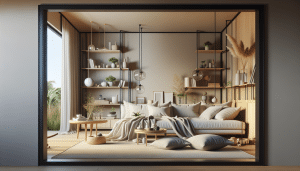
Functionality is central. People realize that designing small homes demands resourcefulness—hidden storage, convertible furniture, and even multi-use rooms. Spaces must serve more than one purpose, offering comfort for relaxation, work, and recreation within limited square footage. Many discover how their actual needs are much less than they assumed, and small spaces encourage creativity without sacrificing style. Modern tiny homes often feature bright interiors, smart layouts, and natural materials, creating a sense of openness despite their size.
Psychological research suggests that living with less can reduce stress and even increase happiness in day-to-day life. Because the tiny home lifestyle encourages mindful consumption, many find themselves reevaluating what truly matters to them. Experiences, time spent outdoors, or shared moments with others can become new priorities. The flexibility tiny homes offer—from wheels for travel, to off-grid living, to compact city apartments—makes this way of living adaptable to personal goals and changes in circumstance.
Social media has played a significant role in fueling interest in tiny homes. Stunning photos of minimalist interiors, clever storage, and compact-yet-inviting designs inspire thousands. Online communities offer practical advice about budgeting, zoning laws, and design ideas. From do-it-yourself builds to professionally designed spaces, tiny living goes viral—spurring more people each year to embrace the possibilities of downsized living. The movement continuously adapts, reflecting changing needs and trends in society, design, and sustainability.
Design Hacks for Maximizing Small Spaces
Smart design transforms small spaces into flexible and comfortable environments. One common approach is the use of modular furniture—think transformable beds, couches with storage, or tables that expand for guests. These solutions not only make rooms more functional, but also help keep living areas tidy and uncluttered. Lighting plays a big role, too. Well-placed mirrors, large windows, or bright color palettes can make even the tiniest room feel spacious and inviting.
Lightweight, multi-functional pieces are especially popular. For example, a staircase might double as a bookshelf, or a coffee table could convert to a dining surface. Innovative kitchen storage uses vertical shelving, magnetic organizers, or foldaway countertops to free up precious counter space. Open-plan layouts help keep things airy, while room dividers or curtains create privacy without adding permanent walls. The right mix of personal taste and practicality ensures tiny homes reflect individual lifestyles without sacrificing comfort.
Utilizing vertical space is essential. High shelves, lofted sleeping areas, and wall-mounted storage let residents use every possible inch to their advantage. Designers recommend keeping frequently used items within easy reach, storing seasonal or seldom-used items higher up. Clothes racks, hanging plants, and mounted lighting can all keep floors clear, seamlessly blending storage and style. In bathrooms, slim cabinetry, wall hooks, and compact fixtures help keep things organized and functional—proving that every corner counts.
Creative problem-solving is at the heart of tiny home design. Many owners and architects experiment with sliding doors, fold-down desks, and modular seating to create adaptable spaces for different activities throughout the day. Even outdoor areas—like patios or vertical gardens—can become extensions of living space, offering fresh air and an expanded sense of home. As sustainability trends become more prominent, space-saving innovations often incorporate eco-friendly materials and energy-efficient features, further aligning compact living with broader environmental goals.
The Minimalist Mindset and Emotional Benefits
Embracing minimalist decorating and careful possession management has shown to influence mental well-being. Studies report that people in clutter-free environments often experience greater focus and lower anxiety. Consciously curating belongings—keeping only what is needed or treasured—helps create a calming atmosphere. This approach aligns with tiny living values, as every item must justify its place in the home. By stripping away distractions, many discover space for new habits, creativity, and personal growth.
The psychology behind the minimalist home is fascinating. Researchers suggest that clarity in one’s environment can lead to clarity in thoughts. Fewer possessions mean fewer decisions about organizing or maintaining things, freeing mental energy. This can be especially valuable for people seeking to reduce stress, simplify routines, or prioritize experiences over accumulation. When each item serves a clear purpose or brings joy, the home itself becomes a soothing refuge from the demands of modern life.
Minimalism doesn’t mean sacrificing style or personality. Many tiny home dwellers find ways to express themselves through unique decor, art, or plant arrangements. The principle is quality over quantity—carefully chosen pieces stand out more in small environments, creating an uncluttered yet personalized atmosphere. The process can be empowering. Deciding what stays and goes is not just about downsizing; it’s about clarifying values and aspirations. These deeper connections to living space promote a long-term sense of contentment.
There’s also a strong link between the minimalist lifestyle and sustainable living. Reduced consumption and mindful purchasing have ecological benefits, which can lead to increased satisfaction among environmentally conscious individuals. Many embrace tiny living as part of a broader commitment to reducing their carbon footprint and supporting sustainable practices. The emotional rewards of making eco-friendly choices in one’s home—such as using recycled materials or energy-saving appliances—can add another dimension of pride and accomplishment to the minimalist journey.
Popular Styles in the Tiny Home Movement
Diversity is key in the tiny living world. Styles range from rustic cabin-like structures to ultra-modern urban micro-apartments. Some people are drawn to off-grid options—solar power, composting toilets, and water collection systems allow for self-sufficiency in rural areas. Others seek urban solutions, turning old shipping containers or small apartments into high-functioning homes using sleek finishes and smart technology. This variety enables people to align their living situation with their interests and values, while also making the most of local resources and culture.
Interior design trends within tiny home communities span the spectrum. Scandinavian-inspired minimalism (think clean lines and bright woods) is perennially popular, but so are more eclectic spaces featuring bold color or vintage furniture. Many favor open shelving, sliding barn doors, or cozy built-in benches to maximize both seating and character. Natural light is prioritized, using skylights or large glass doors whenever possible to visually expand rooms and connect interiors with the surrounding environment. Small space decor also often highlights creativity and upcycling—repurposing salvaged materials adds both visual interest and sustainability.
Technological advances have influenced tiny living design as well. Smart home devices, like compact digital assistants, climate controls, or remote security systems, fit easily into small environments. Energy-efficient appliances are a must. Some builders experiment with modular designs that can be added to or adjusted over time as needs change, bringing flexibility to compact living. This blend of tradition and innovation ensures that tiny homes remain both functional and inspiring, no matter the aesthetic or location.
Financial and Practical Considerations
One major reason for adopting a tiny living lifestyle is its potential for significant savings. Tiny homes or micro-apartments typically cost a fraction of conventional homes—sometimes even allowing for ownership without a mortgage. Smaller spaces often mean lower energy usage, less maintenance, and reduced insurance costs. Many people enjoy the sense of financial freedom gained by cutting back on housing expenses. However, it is important to research local zoning regulations, building codes, and association rules before committing to a tiny property, as requirements can vary widely by area.
Mobility is another advantage. Tiny homes on wheels can be moved to new locations, supporting adventurous lifestyles or making it possible to live closer to work or family. For people working remotely, tiny homes provide affordable, semi-permanent accommodation that allows exploration of different communities without a long-term financial commitment. Owning less also often means more opportunities to travel or invest in experiences rather than things, contributing to a more fulfilling lifestyle for many.
There are challenges to consider—limited storage means regular decluttering is essential, and entertainment or hosting options might be scaled down. Daily living, from laundry to cooking, takes some adjustment in tiny spaces. Some people discover that partnerships or family dynamics evolve in smaller homes, requiring patience and adaptability. To address these potential hurdles, many owners rely on local resources like community centers, shared workspaces, or public parks to supplement their own space. These practical adaptations often foster creativity, resilience, and a strong sense of community.
The Future of Tiny Living and Community Spaces
The tiny living movement is evolving rapidly. Urban planners and architects are developing new approaches to micro-housing, co-living communities, and shared amenities. Some cities are experimenting with clusters of tiny homes for affordable housing or creative communities, while student and elderly housing is also being reimagined with small, flexible designs. Shared gardens, laundry facilities, and recreational rooms provide a sense of connection, reducing the feeling of isolation often associated with downsized living. These new developments could reshape neighborhoods and city life in positive ways.
Technology is likely to remain a driving force. Advances in prefabrication, sustainable materials, and digital connectivity will continue to improve both the cost and comfort of compact homes. Modular units may offer buyers customizable layouts that suit different needs as families grow or shrink. Environmental considerations—like the use of solar panels, gray water systems, or green rooftops—are set to increase, providing both personal and community benefits in terms of cost savings and sustainability.
Perhaps the most interesting aspect is how tiny living changes perceptions of what a home should be. Flexibility, intentionality, and resourcefulness shape future trends. Whether in urban micro-apartments, suburban clusters, or remote tiny retreats, the ongoing evolution of tiny living is a response to changing social, environmental, and economic realities. For many, it represents not just a way to save space or money, but an invitation to rethink living itself—focusing on what truly adds value, day by day.
References
1. The Tiny Life. (n.d.). What is the Tiny House Movement? Retrieved from https://thetinylife.com/what-is-the-tiny-house-movement/
2. United States Environmental Protection Agency. (n.d.). Tiny Houses. Retrieved from https://www.epa.gov/smm/sustainable-management-materials-tiny-houses
3. Psychology Today. (n.d.). The Power of Less: The Surprising Benefits of Minimalism. Retrieved from https://www.psychologytoday.com/us/blog/the-power-prime/202003/the-surprising-psychology-minimalism
4. National Association of Home Builders. (n.d.). Tiny Homes: The Next Big Thing? Retrieved from https://www.nahb.org/Advocacy/Industry-Issues/Tiny-Homes
5. American Institute of Architects. (n.d.). Tiny Houses: Big Potential in a Small Package. Retrieved from https://www.aia.org/resources/6140663-tiny-houses-big-potential-in-a-small-package
6. U.S. Department of Housing and Urban Development. (n.d.). Tiny Homes and Zoning. Retrieved from https://www.huduser.gov/portal/pdredge/pdr-edge-featd-article-111918.html

 Smart Finance Practices That Support Long-Term Goals