Minimalist Living Ideas You Might Secretly Love
Amira Solberg December 2, 2025
Discover how minimalist living ideas can change the way you experience everyday life. From decluttering small spaces to curating a timeless wardrobe, this guide explores simple and creative ways to embrace intentional comfort, find peace, and add a sense of calm to your home and entertainment habits.
Minimalist Home Design That Feels Refreshing
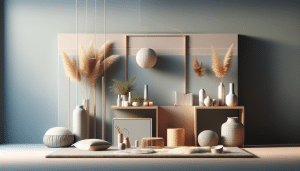
Minimalist home design has gained remarkable popularity as more individuals seek tranquility in their living space. The essence lies in eliminating excess, focusing on functionality, and utilizing high-impact accents for visual harmony. Well-chosen furnishings—think compact sofas or streamlined shelves—can make even small spaces feel open and inviting. By committing to a minimalist home setup, you create an environment where relaxation and productivity thrive in balance. Embracing multipurpose elements, such as foldable tables or wall-mounted storage, ensures every corner serves a meaningful purpose without unnecessary clutter. Experts suggest that a pared-down approach with neutrals or soothing color palettes draws focus to the room’s natural light, helping you feel more grounded and at ease.
Room layout is another essential aspect of minimalist interior design. Allowing space between furniture not only improves air circulation but also enhances the perception of openness. While some believe minimalism requires starkness, incorporating natural materials like wood and linen adds warmth without visual noise. Living in an uncluttered setting can subtly influence mood, as studies have shown that organized, clear spaces reduce stress and stimulate creativity. Intentionally placing plants or a single statement art piece can give character to your space. Instead of filling every surface, each chosen object should offer either utility or joy, a principle often linked with the minimalist movement.
Lighting also plays a crucial role in minimalist homes. Accessible daylight makes a noticeable difference, but when that’s not possible, consider softly diffused lamps or indirect light fixtures to maintain a gentle ambiance. People who adopt minimalist designs often find it easier to maintain tidiness, since cleaning routines become streamlined with fewer items in sight. The physical lightness of such living environments can translate into a sensation of mental clarity. If you find yourself overwhelmed by visual chaos, a minimalist refresh could transform not just your aesthetics but your day-to-day wellbeing (Source: https://www.psychologytoday.com/us/blog/your-home-your-self/201811/the-psychology-minimalism).
Decluttering Strategies for Every Lifestyle
Decluttering can sound daunting at first, yet it forms the backbone of every minimalist lifestyle guide. The secret often lies in gradual, low-pressure efforts such as the ‘one-in, one-out’ rule: for each new item entering your home, let go of one. People can also benefit from breaking up decluttering into manageable categories—clothing, kitchen, decorations—so the process doesn’t feel overwhelming. Another practical approach is to schedule short sessions, like 15 minutes a day, to tackle small spaces and build positive routines over time. Through regular sorting and mindful evaluation, you gradually curate living areas that spark calm rather than chaos.
Many report mental clarity and improved concentration as unexpected results of ongoing decluttering. Removing excess physical items often lightens emotional burdens, making it easier to focus on what matters. It’s helpful to visualize future uses for belongings or to keep only items that hold meaning or frequent function. Those who struggle most can try the box method—place questionable items in a box, stow it for a month, and revisit later. If nothing gets retrieved, those things can often be parted with peacefully. Systems like these cultivate a cycle of intentional ownership aligned with minimalist values (Source: https://www.nytimes.com/guides/smarterliving/how-to-clean).
Alongside practical techniques, sustainable decluttering—selling, donating, or recycling—is a meaningful part of minimalist living. Community donation drives or online buy-nothing groups have made it easier for people to redistribute what they no longer need. Environmentally-friendly disposal can amplify individual satisfaction, knowing possessions find new purpose. Whether your goal is everyday efficiency or greater peace at home, mindful reduction and responsible removal work hand-in-hand to support minimalist ambitions while considering their broader impact (Source: https://www.epa.gov/recycle/reducing-waste-what-you-can-do).
Minimalist Wardrobes and Capsule Closet Inspiration
Minimalist fashion ideas hinge on simplicity, versatility, and lasting style. Enter the capsule wardrobe—a streamlined collection of essential, mix-and-match clothing that you genuinely love to wear. Rather than chasing fleeting trends, many find inspiration from classic cuts and neutral colors, favoring quality over quantity. This approach reduces decision fatigue in the mornings, makes packing for trips quick, and supports thoughtful purchasing habits. By investing in a few key pieces, such as well-fitted jeans or a classic blazer, individuals curate a closet that serves every occasion, from casual brunches to day-to-night transitions. Fashion experts applaud how this concept enables personal style to shine without the distraction of excess choices (Source: https://www.vogue.com/article/how-to-create-a-capsule-wardrobe).
Swapping out entire seasonal wardrobes with each change in weather can feel exhausting. Minimalist wardrobe ideas encourage focusing on layers and adaptable fabrics, so clothing transitions naturally between temperatures and activities. Those who embrace capsule closets often discover they wear every item they own regularly—no more forgotten garments hiding in the back. Streamlined wardrobes also offer practical advantages: laundry routines are simpler and buying becomes more intentional. Knowing every piece has a place eliminates clutter and saves both time and resources across seasons.
For those interested in sustainability, minimalist wardrobes align closely with eco-conscious values. Mindful fashion choices help reduce industry waste and carbon emissions. Seeking out durable and versatile pieces also reduces the need for rapid replacements. Apps and online communities are available to help you visualize outfits, track usage, and inspire new combinations, demonstrating how minimalist fashion is evolving with technology. Living with less, especially in your closet, can open a path to greater confidence and peace (Source: https://www.goodonyou.eco/how-to-build-a-capsule-wardrobe).
Streamlined Entertaining Without the Stress
Entertaining guests is often thought to require elaborate planning or extensive décor, yet minimalism shows another way. Focusing on a few thoughtful details—quality conversation, curated snacks, ambient music—brings warmth, ease, and genuine connection. In minimalist entertaining, it’s the feeling of welcome, rather than abundance, that guests remember most. You might find that simple table settings, a handwritten menu, or one signature beverage can be more memorable than a crowded buffet. Streamlining not only lets the host feel more present but also creates a relaxed atmosphere that guests appreciate.
Minimalist gatherings also encourage flexibility and creativity. Common suggestions include setting up multi-use zones (like a DIY drinks station that doubles as dessert central) or inviting friends to bring something homemade. This collaborative spirit shifts attention from material displays to shared experiences. Strategic planning—creating checklists, preparing dishes ahead, or even using digital invitations—further reduces stress. The goal becomes enjoying the company rather than impressing with excess effort or objects.
For those who want to host without sacrificing sustainability, minimalist party ideas offer eco-friendly alternatives. Reusable dishware, cloth napkins, and plant-based decorations often replace disposable items, cutting down waste. Shared activities like board games, group playlists, or storytelling circles encourage participation and help everyone feel included. Ultimately, minimalist entertaining proves you don’t need extravagance to create joyful, memorable moments (Source: https://www.bonappetit.com/story/how-to-host-a-no-stress-dinner-party).
Mindful Technology Use for Everyday Wellbeing
Minimalist living does not mean cutting out technology altogether, but rather, using it with intention. Prioritizing digital decluttering—organizing files, limiting notifications, or setting device-free hours—creates healthier boundaries with screens. Intentional tech choices can enhance focus, free up brain space, and provide more restful downtime. Many report that by paring back digital distractions, they gain time for hobbies, reading, or real-life connections. Simple actions, like moving social media apps off the home screen or using blue light filters in the evening, nudge routines toward better balance.
For families or roommates, creating shared tech etiquette fosters a more harmonious living environment. Common suggestions include device-free dinner tables or regular ‘unplugged’ evenings. Such habits not only strengthen relationships but help individuals notice how much time is spent online. Tracking digital usage with built-in tools or apps reveals surprising patterns and helps set boundaries that match personal or collective goals. Over time, these mindful habits support better mental health and a more fulfilling entertainment experience at home (Source: https://www.mayoclinic.org/diseases-conditions/mental-illness/in-depth/digital-detox/art-20457830).
Entertainment options abound, but many are rediscovering the joys of analog amusements—puzzles, board games, or crafting—which offer meaningful breaks from screens. Hosting tech-free hours or weekends, as some minimalist communities suggest, can help rekindle creativity and social connection that digital entertainment often lacks. Rather than cutting out technology, choosing it with care supports lasting happiness and a more mindful way to unwind.
Everyday Habits for a Minimalist and Joyful Life
Adopting minimalist living ideas reaches beyond the home; it’s about daily habits that anchor happiness. Simple pleasures—like savoring a homemade cup of coffee, enjoying a short daily walk, or practicing gratitude—form the cornerstone of minimalist wellbeing. Many find joy in slow routines, focusing on quality rather than quantity in both purchases and experiences. Building small rituals can make ordinary days feel meaningful, even on a busy schedule. The pursuit isn’t perfection but intention: aligning everyday choices with true priorities for a life that feels rich and balanced.
Financial mindfulness supports a minimalist approach. Avoiding impulsive buys, embracing intentional spending, and setting savings goals shift attention from accumulation to contentment. People have discovered that recording expenses or using budget apps can highlight what matters most and reveal habits to adjust. Periodically reviewing possessions or subscriptions ensures you don’t unintentionally drift back into clutter or overconsumption. These steps lay a practical foundation for sustained minimalist living and personal harmony.
Lastly, cultivating community connections fits perfectly with a minimalist mindset. Prioritizing experiences over things—like potlucks, public concerts, or group hikes—fosters warmth while limiting expenses and excess possessions. Volunteering time or sharing skills with neighbors often deepens relationships and offers purpose beyond consumer pursuits. Minimalism isn’t about deprivation; rather, it’s a conscious choice to create space for what truly enriches life (Source: https://www.hopkinsmedicine.org/health/wellness-and-prevention/minimalism-benefits-when-less-is-more).
References
1. Psychology Today. (n.d.). The Psychology of Minimalism. Retrieved from https://www.psychologytoday.com/us/blog/your-home-your-self/201811/the-psychology-minimalism
2. The New York Times. (n.d.). How to Clean. Retrieved from https://www.nytimes.com/guides/smarterliving/how-to-clean
3. EPA. (n.d.). Reducing Waste: What You Can Do. Retrieved from https://www.epa.gov/recycle/reducing-waste-what-you-can-do
4. Vogue. (n.d.). How to Create a Capsule Wardrobe. Retrieved from https://www.vogue.com/article/how-to-create-a-capsule-wardrobe
5. Bon Appétit. (n.d.). How to Host a No-Stress Dinner Party. Retrieved from https://www.bonappetit.com/story/how-to-host-a-no-stress-dinner-party
6. Johns Hopkins Medicine. (n.d.). Minimalism Benefits: When Less Is More. Retrieved from https://www.hopkinsmedicine.org/health/wellness-and-prevention/minimalism-benefits-when-less-is-more

 What You Never Realized About Quantum Computing