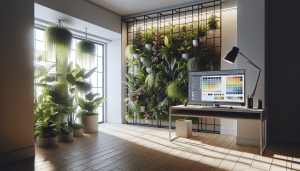
You Could Transform Any Space With Vertical Gardens
Henry Caldwell November 27, 2025
Discover how vertical gardens add beauty and lush greenery to any living space while maximizing small areas. This guide explores creative designs, care tips, sustainable benefits, popular plant choices, and troubleshooting—making it easier to enjoy a thriving vertical garden indoors or outdoors.
Why Vertical Gardens Are Changing Home Spaces
Vertical gardens are rapidly reshaping how people bring plants into their homes, from urban apartments to backyard patios. The concept involves growing plants on vertically suspended panels, creating living art that thrives on walls or fences. By utilizing vertical space, these gardens transform dull surfaces into lush green canvases. As interest in interior landscaping grows, vertical gardens offer an accessible and visually stunning way to incorporate nature indoors—even in the smallest nooks.
People are drawn to vertical gardens for more than aesthetics. These gardens help purify the air, support biodiversity, and boost emotional well-being through contact with greenery. Studies highlight how strategically placed plants absorb indoor air pollutants and provide fresh oxygen (Source: https://www.epa.gov/indoor-air-quality-iaq). As homes and apartments get smaller, maximizing every inch becomes important. Vertical plant walls make it easy to blend lush living décor with limited floor space, supporting a more vibrant, calming environment.
Designers and home gardeners are embracing vertical gardens to introduce greenery where traditional pots won’t fit. From compact herb walls in kitchens to statement green walls in lounges, this approach complements evolving lifestyles. The trend is especially popular among renters and city-dwellers, but anyone seeking an easy, effective way to add more plants—without crowding their home—can benefit. Vertical gardens support creativity, sustainability, and a deep sense of rejuvenation at home.
Creative Vertical Garden Designs For Any Setting
Designing a vertical garden can be as simple or adventurous as you like. Wall-mounted containers, pocket planters, stacked felt panels, or even upcycled pallets are all popular choices. Some prefer modular vertical garden kits for a neat appearance and flexible installation, while others repurpose everyday items—old wooden crates, shoe organizers, or wire mesh—into unique plant displays. Tailoring the design to your available space and sunlight ensures any room can host a thriving vertical garden.
Outdoor vertical gardens often feature larger structures, such as trellises, climbing grids, or living fences. These can anchor flowering vines, trailing groundcovers, or edible crops—perfect for patios or balcony railings. Indoor versions are typically compact and water-wise, incorporating succulents, ferns, or air plants that need less upkeep. Strategic placement near windows or under grow-lights makes it easier to grow plants successfully all year round, regardless of climate.
The creative possibilities don’t stop at plant selection. Vertical gardens can be designed as privacy screens, lush green dividers, or vibrant wall art. The flexibility to change seasonal displays or experiment with color palettes makes them as much about self-expression as horticulture. With the right vertical garden design, small balconies, indoor hallways, or blank living-room walls can all be transformed into energetic, living focal points.
Choosing The Right Plants For Vertical Gardening Success
Selecting suitable plants is crucial for a healthy, thriving vertical garden. Low-maintenance, shallow-rooted species such as pothos, philodendrons, ferns, and succulents are favorites for living walls. Herbs like basil, mint, and parsley grow well in vertical setups, offering fresh leaves for cooking and a delightful aroma. Matching your plant choices to local light and humidity ensures healthy growth and vibrant color year-round.
Climate and micro-environment matter. For shadier indoor areas, peace lilies and spider plants require little sunlight and adapt well to wall planters. Outdoor gardeners may prefer trailing petunias or climbing jasmine for abundant blooms and fragrance. Edible options like strawberries, leafy greens, and cherry tomatoes also flourish on vertical frames with adequate sunlight. Understanding each plant’s requirements—water, light, space—helps avoid problems further down the line (Source: https://extension.psu.edu/choosing-plants-for-vertical-gardening).
Designing for diversity enhances both the beauty and ecological benefits of a vertical garden. Mixed arrangements—combining ferns with trailing vines or flowering perennials—create eye-catching layers. For year-round greenery, evergreens and slow-growing succulents deliver lasting impact with minimal fuss. Whether growing for foliage, flowers, or food, choosing the right plants is the first step toward a lush, successful vertical garden anywhere.
Easy Vertical Garden Care And Maintenance Tips
Maintaining a healthy vertical garden is easier than many expect. Consistent, appropriate watering is essential—drip irrigation systems, self-watering planters, or moisture-retaining felt help keep roots hydrated without overwatering. Group plants with similar water needs for convenience. Monitoring for excess water build-up prevents mold or rot, making maintenance streamlined and stress-free.
Regular feeding with diluted, balanced fertilizer supports vigorous growth and lush leaves. Most vertical gardens benefit from light monthly feeding during their active growth periods. Keep an eye out for pests or disease; healthy air circulation and occasional pruning reduce risk. Rotating plants or replanting seasonally encourages diversity and keeps your display fresh, especially when experimenting with new varieties.
Lighting conditions can change over time as seasons shift or nearby trees leaf out. Adjust plant positions, move wall panels, or add supplemental grow lights as needed to ensure consistent light. Simple cleaning—wiping leaves or dusting planters—improves appearance and plant health. With these straightforward care routines, vertical gardens stay lively and beautiful, requiring little time for ongoing success (Source: https://hgic.clemson.edu/factsheet/vertical-gardening/).
Benefits Of Vertical Gardens Beyond Aesthetics
Vertical gardens offer much more than visual appeal. Research shows they improve indoor air quality by filtering pollutants like VOCs, producing oxygen, and reducing dust levels. Green walls regulate temperature by providing insulation and cooling—helping to lower heating or air-conditioning needs, especially in city environments where concrete and glass dominate (Source: https://www.ncbi.nlm.nih.gov/pmc/articles/PMC6165688/).
Living plant walls have been linked to reduced stress, higher productivity, and increased happiness. Exposure to greenery indoors is associated with better mood, creativity, and focus. In outdoor settings, vertical gardens can support local wildlife, provide privacy, and decrease noise pollution. These benefits support a healthier lifestyle and a more peaceful home atmosphere, whether your vertical garden covers one panel or an entire wall.
Vertical gardens also promote sustainable living. They efficiently use space and resources, making gardening accessible to everyone. Rainwater harvesting, composting, and pollinator-friendly plant choices can further boost sustainability efforts. As interest grows in eco-friendly design, vertical gardens lead the way in combining environmental stewardship with vibrant, stylish living spaces.
Troubleshooting Common Vertical Garden Challenges
Even the healthiest vertical gardens can face occasional challenges. Uneven growth, yellowing leaves, or slow development may signal under- or overwatering, insufficient light, or root crowding. Observe each section of your wall closely and adjust light, water, or fertilizer as needed. Addressing small issues early prevents cascading problems and helps gardens recover quickly.
Pest infestations or plant diseases sometimes occur, especially in humid indoor spaces. Regular inspection, isolating affected plants, and applying gentle pest management—like neem oil—can resolve most issues without harming the environment. In addition, rotating crops and using disease-resistant varieties build resilience into your vertical garden from the start (Source: https://gardeningsolutions.ifas.ufl.edu/design/types-of-gardens/vertical-gardens.html).
Structural challenges, such as weak supports or leaking planters, may require minor repairs. Choose quality mounting hardware suited to your space and periodically check for loose fastenings. As you gain experience with vertical gardening, troubleshooting becomes easier, allowing you to handle setbacks and enjoy continuous growth.
References
1. U.S. Environmental Protection Agency. (n.d.). Indoor Air Quality (IAQ). Retrieved from https://www.epa.gov/indoor-air-quality-iaq
2. Penn State Extension. (n.d.). Choosing Plants for Vertical Gardening. Retrieved from https://extension.psu.edu/choosing-plants-for-vertical-gardening
3. Clemson Cooperative Extension. (n.d.). Vertical Gardening. Retrieved from https://hgic.clemson.edu/factsheet/vertical-gardening/
4. Pérez-Urrestarazu, L., et al. (2018). Vertical greening systems and their impact on health. International Journal of Environmental Research and Public Health, 15(7), 1456. Retrieved from https://www.ncbi.nlm.nih.gov/pmc/articles/PMC6165688/
5. University of Florida IFAS Extension. (n.d.). Vertical Gardens. Retrieved from https://gardeningsolutions.ifas.ufl.edu/design/types-of-gardens/vertical-gardens.html
6. Royal Horticultural Society. (n.d.). Vertical greening: living walls and green facades. Retrieved from https://www.rhs.org.uk/plants/types/vertical-greening

 Secrets to Building Passive Income Streams You Might Overlook