Minimalist Living Ideas You’ll Actually Want to Try
Amira Solberg November 8, 2025
Many people crave a simpler lifestyle—less clutter, more calm. Discover how minimalist living ideas transform spaces, habits, and mindsets to bring more joy, freedom, and creativity into daily life. This practical guide features design tips, decluttering strategies, and inspiration for crafting your own minimalist home and routine.
Why Minimalist Living Appeals to So Many
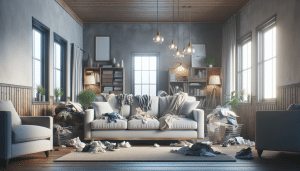
Minimalism captivates those longing for clarity and order in a fast-paced world. A minimalist lifestyle revolves around owning less, valuing what’s necessary, and intentionally designing one’s living space. The appeal goes beyond aesthetics—practicing minimalism often creates a sense of calmness, helping to decrease anxiety caused by clutter and overstimulation. Many discover that this reduction can increase focus, free time, and overall happiness, encouraging a fresh perspective on consumer culture and everyday living.
Choosing minimalism means making purposeful decisions about which physical items and commitments bring value. Some individuals find that the physical act of decluttering—sorting through clothing, books, and household decor—feels liberating. This process helps create a connection between one’s belongings and personal priorities. Minimalist interiors, with their clean lines, white walls, and open spaces, can enhance natural light and provide a peaceful retreat after a busy day. There’s growing evidence that simple, orderly environments can improve well-being and productivity in work and leisure spaces alike (Source: https://www.health.harvard.edu/mind-and-mood/declutter-your-way-to-less-stress).
For many, embracing minimalism also means spending more intentionally—reducing unnecessary purchases and choosing quality over quantity. Some embrace minimalist living to lower expenses or support environmental goals through less waste. The underlying philosophy—mindful consumption and intentional living—attracts people from all walks of life who want to reclaim time and space for things that truly matter. Minimalism is less about deprivation, more about making room for creativity, connection, and a peaceful mind.
Starting a Minimalist Decluttering Journey
Getting started with decluttering often feels overwhelming, but small steps lead to lasting change. Begin by tackling one area—a single drawer or shelf—and ask if each item truly adds value or supports your lifestyle. Many fans of minimalist living recommend using clear, simple rules like the “one in, one out” method or the popular “KonMari” category-by-category approach. Letting go of items that no longer serve a purpose opens up your space and can even inspire family members or roommates to join the movement.
Deciding what to keep is personal. Some people keep mementos for their memories, while others favor complete simplicity. The key is to define what ‘enough’ means for your needs, rather than following strict rules. Sorting through sentimental objects may be emotional, so consider donating, gifting, or recycling where possible. Not everything needs to be minimalist in the first round. Progress is more important than perfection, and gradual decluttering is often more sustainable long-term (Source: https://www.nytimes.com/guides/smarterliving/how-to-declutter-your-home).
Minimalist living doesn’t stop at possessions. Many embrace digital decluttering—unsubscribing from emails, organizing files, and limiting screen time—to make technology serve them rather than overwhelm. By focusing on what truly enriches life, individuals find mental space for hobbies, relationships, and self-care. Remember, minimalist living is not about deprivation; it’s about making space for more meaningful experiences.
Designing a Calm and Inviting Minimalist Home
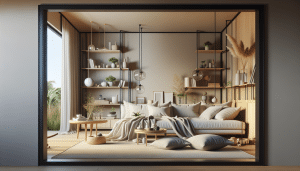
Minimalist design prioritizes function, comfort, and tranquility. Rooms are kept tidy and open, encouraging movement and relaxation. Furniture is carefully chosen, often with multiple uses—like beds with drawers or tables that expand for gatherings. Neutral colors like white, gray, and beige make rooms feel light and airy, while natural materials such as wood, cotton, or linen bring warmth. Art and plants add subtle personality without overwhelming the senses.
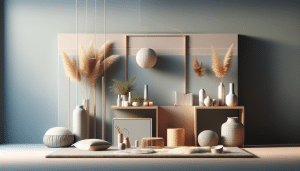
Strategic storage is essential. Built-in closets, floating shelves, and hidden compartments help maintain a clutter-free look without sacrificing practical needs. Minimalism also values negative space—the empty areas between and around furniture—which lets the eye rest and accentuates the few items on display. The result is a soothing home environment where relaxation and inspiration come naturally (Source: https://www.architecturaldigest.com/story/minimalist-interior-design-guide).
Personal style still matters in minimalist homes. Some decorate with carefully curated art pieces or keep a few favorite books displayed. Others integrate cozy textiles—like soft rugs or cozy throws—to balance the aesthetic. Minimalist living is about finding the right blend of beauty and functionality for your unique needs. Everyone’s version of simplicity looks a little different, but the goal is always a harmonious, user-friendly space.
Minimalism in Daily Routines and Mindsets
Minimalism isn’t limited to interiors—the mindset extends to routines and even relationships. Simplifying daily habits can be as effective as decluttering a room. Some start by reviewing morning routines, stripping them down to only the essentials. Having fewer decisions to make each day frees up willpower for more important tasks, increasing productivity and clarity. Mindful minimalism allows people to spend less time on autopilot and more time focused on their goals.
Intentional scheduling also plays a role. Many followers choose to cut back on unnecessary commitments and obligations, carving out more personal time. Prioritizing health and well-being—through practices like meditation, journaling, or slow walks—can become part of a minimalist approach to daily living. A clutter-free calendar, like a tidy home, reduces stress and supports emotional balance (Source: https://www.psychologytoday.com/us/blog/the-path-passionate-happiness/201907/8-benefits-minimalism).
Cultivating minimalist habits can affect relationships as well. Instead of overextending socially, people report they have deeper friendships with a smaller circle. Many discover new passions or rekindle existing hobbies, with less distraction and more attention to quality. These changes foster a sense of presence that makes daily life feel richer and more fulfilling, without the noise of constant obligations.
Benefits of Minimalist Living for Well-being
Health and wellness often improve as clutter disappears. Many studies note that tidy environments reduce anxiety and boost focus. A cleaner home also makes routines like cooking, cleaning, or working from home more manageable and less stressful. Minimalist households may even experience better sleep, as bedrooms free of distractions support healthy rest habits (Source: https://www.sleepfoundation.org/sleep-hygiene/declutter-bedroom-for-better-sleep).
Financial well-being is another benefit. Minimalists often shop less, repurpose what they own, and avoid impulse buying. This mindful approach can lead to substantial savings over time. Less spending means more resources for important goals—like travel, education, or supporting charitable causes. Even simple acts like meal planning or repairing items instead of replacing them fit into the minimalist mindset.
Emotional wellness also improves. As people break the cycle of consumption and compare themselves less to others, self-esteem and satisfaction increase. Reducing physical and digital clutter frees up emotional energy. Many report a deep sense of gratitude for what they have, reinforcing the value of mindful living. Minimalist living, therefore, offers benefits for both body and mind, supporting a more intentional and content life overall.
Tips to Maintain a Minimalist Lifestyle Long Term
Staying minimalist gets easier with regular habits. Many set aside time each season to review what’s accumulated and let go of anything unnecessary. Making decluttering a family or roommate activity can build stronger bonds and create shared goals. The “one in, one out” philosophy makes maintenance straightforward, helping keep possessions from growing without purpose. These habits soon become second nature, supporting a balanced and organized environment year-round.
It’s helpful to stay inspired by following minimalist creators or reading books on intentional living. Trying guided challenges—like a month of reducing screen time or a capsule wardrobe experiment—can refresh commitment when motivation dips. Minimalist living is adaptable; it can grow with changing circumstances and new interests. Flexibility is important because life isn’t static, and neither is our sense of what’s essential (Source: https://www.becomingminimalist.com/maintaining-minimalism/).
Minimalism is a journey, not a finish line. Each small step reinforces mindful habits and the benefits that come with reduced clutter, less stress, and more meaningful experiences. Over time, minimalist living can lead to more creative spaces, better relationships, financial freedom, and above all, a deeper appreciation for the simple joys in life.
References
1. Harvard Health Publishing. (n.d.). Declutter your way to less stress. Retrieved from https://www.health.harvard.edu/mind-and-mood/declutter-your-way-to-less-stress
2. The New York Times. (n.d.). How to declutter your home. Retrieved from https://www.nytimes.com/guides/smarterliving/how-to-declutter-your-home
3. Architectural Digest. (n.d.). Minimalist interior design: A guide to the essentials. Retrieved from https://www.architecturaldigest.com/story/minimalist-interior-design-guide
4. Psychology Today. (2019). 8 Benefits of Minimalism. Retrieved from https://www.psychologytoday.com/us/blog/the-path-passionate-happiness/201907/8-benefits-minimalism
5. Sleep Foundation. (n.d.). Declutter Your Bedroom for Better Sleep. Retrieved from https://www.sleepfoundation.org/sleep-hygiene/declutter-bedroom-for-better-sleep
6. Becoming Minimalist. (n.d.). How to Maintain a Minimalist Lifestyle. Retrieved from https://www.becomingminimalist.com/maintaining-minimalism/

 Simple Decluttering Habits That Transform Your Home