You Might Be Missing Out on Facial Rejuvenation Secrets
Sofia Marquez November 7, 2025
Explore new approaches to facial rejuvenation, revealing how skin care, innovative treatments, and lifestyle adjustments can support a healthier, more radiant glow. This comprehensive guide offers insight into skin hydration, natural ingredients, and the science behind non-invasive beauty methods for those curious about enhancing wellness and appearance.
Facial Rejuvenation: Understanding the Modern Shift
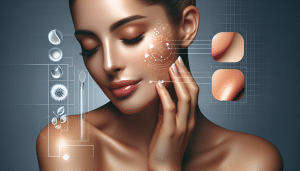
Facial rejuvenation is changing. The pursuit of youthful, glowing skin has evolved beyond quick fixes and miracle promises. Today, the focus is on holistic skincare routines that prioritize the health of your skin as a core element of overall wellness. With advancements in dermatology and wellness, more people are exploring gentle, non-invasive methods to support their natural beauty. Facial rejuvenation covers everything from hydration to cellular turnover and choosing products with proven ingredients. It’s not just about surface changes; true rejuvenation seeks to improve the skin’s barrier and resilience. By learning more about these modern approaches, many discover just how interconnected lifestyle and aesthetic goals can be. (Source: https://www.aad.org/public/everyday-care/skin-care-basics/care)
Modern skin care relies equally on prevention and maintenance. Developed routines aim to counteract external stressors like pollution and UV damage, both of which have been linked to premature aging and skin tone issues. When considering facial rejuvenation, experts recommend starting with a foundational understanding of daily cleansing, proper hydration, and targeted treatments like antioxidants. With countless options lining shelves and filling online carts, deciphering ingredient lists has become an essential skill for anyone interested in wellness-centered beauty. People want effective yet safe regimens that fit easily into busy lives while providing visible results in texture and radiance. The growing emphasis on self-care rituals also plays a significant part in supporting mental and emotional health.
Technology has given rise to innovative at-home devices for facial care, ranging from sonic brushes to LED masks. These new tools, often inspired by professional spa or dermatology treatments, empower enthusiasts to extend their self-care into regular routines. Accessibility and research-backed claims are defining factors in their popularity. However, every individual’s skincare needs are unique, shaped by genetic and environmental factors. Understanding options and being patient with results can make the process of rejuvenation more rewarding. The journey is not only about changes you see in the mirror but also the lasting confidence that grows alongside a consistent self-care approach. (Source: https://www.nih.gov/news-events/nih-research-matters/stretching-skin-promotes-cell-regeneration)
The Role of Hydration and Barrier Repair
Hydration is the foundation of any successful facial rejuvenation journey. Skin that lacks moisture commonly appears dull, feels tight, and is more prone to irritation. The importance of maintaining a strong skin barrier is backed by clinical research highlighting its role in retaining hydration and protecting against environmental aggressors. Key ingredients such as hyaluronic acid and ceramides help restore moisture and fortify the protective outer layer, supporting long-term radiance. Individuals with sensitive or reactive skin especially benefit from gentle, hydrating formulas that do not disrupt the skin’s pH balance. Effective hydration is not only about applying topical products but also includes adequate water intake and humidity control in daily environments. (Source: https://www.ncbi.nlm.nih.gov/pmc/articles/PMC4445898/)
Skin barrier repair has received increased attention among dermatologists and beauty enthusiasts alike. When the protective function of the barrier is compromised, skin becomes vulnerable to inflammation, breakouts, or accelerated aging. Nourishing moisturizers rich in fatty acids, ceramides, and cholesterol can promote healing, strengthen defense mechanisms, and reduce the appearance of fine lines. Emerging research also explores the relationship between stress, sleep, and optimal barrier function. Good nightly routines and stress management may help support the body’s natural regenerative cycles. Looking beyond trends, the focus on barrier repair reflects a deeper shift toward sustainable, evidence-based beauty practices.
Failure to maintain adequate hydration and barrier function may hinder other rejuvenation strategies. Even the most advanced active ingredients work best when the skin is healthy and well-hydrated. Integrating gentle cleansers, regular moisturizing, and the occasional use of hydrating masks helps promote plumpness and a healthy glow. Personalization is key—what works for one person may not suit another. Monitoring skin’s response and being open to routine adjustments enhances outcomes and supports ongoing wellness. (Source: https://www.ncbi.nlm.nih.gov/books/NBK279396/)
Exploring Non-Invasive Beauty Treatments
Non-invasive beauty treatments for facial rejuvenation are gaining momentum. Procedures like microdermabrasion, ultrasound therapy, and chemical peels are offered in clinics and by licensed professionals, but milder home versions are becoming widely accessible. These treatments focus on stimulating collagen production, promoting cell turnover, and improving texture without the downtime of surgical interventions. Importantly, understanding the science and potential side effects of each approach empowers individuals to make informed choices based on personal wellness goals. For those seeking gentle alternatives to invasive procedures, non-invasive methods provide valuable options. (Source: https://www.aad.org/public/cosmetic/treatments/non-invasive)
The accessibility of non-invasive facial treatments has democratized skincare for wide audiences. From light-emitting diodes (LED) to microcurrent tools, at-home devices claim benefits ranging from increased firmness to better absorption of serums. Their popularity is driven by ease of use and potential cost-effectiveness over repeated office visits, although results may be gradual and cumulative. Dermatologists emphasize the value of research-backed equipment and adherence to safety protocols, particularly to avoid overuse or skin damage. As with many beauty trends, finding authentic, substantiated options remains essential in a landscape filled with exaggeration and misleading claims.
Non-invasive options also include topical products like serums or patches that deliver active ingredients with precision. Some rely on encapsulation technology or micro-needling rollers, which support better penetration and efficacy. These innovations reflect a growing understanding of skin biology and cosmetic science. Deciding when and how to incorporate such tools can depend on age, skin concerns, and willingness to maintain consistent routines. Whether motivated by curiosity or necessity, individuals eager to experiment with facial rejuvenation may benefit from starting cautiously, consulting professionals, and observing skin responses closely.
The Growing Popularity of Natural and Botanical Ingredients
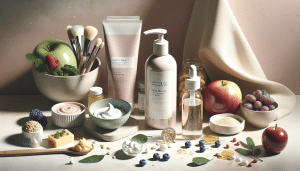
Natural ingredients continue to shape conversations about facial rejuvenation. Botanical extracts, plant-derived oils, and fermented ingredients are incorporated in many contemporary formulations. Aloe vera, green tea, and niacinamide are celebrated for their soothing and brightening properties. Additionally, vitamin-rich oils like rosehip or squalane nourish and reinforce delicate facial skin. The movement toward nature-inspired beauty is partly a reaction to synthetic additives, which some consumers seek to avoid. A deeper understanding of plant compounds and traditional remedies is driving a resurgence of herbal wisdom in modern skin care. (Source: https://www.ncbi.nlm.nih.gov/pmc/articles/PMC6165267/)
However, “natural” does not always mean risk-free for every skin type. Botanical extracts may trigger allergic responses, especially for sensitive individuals. Patch testing and gradually introducing new products is a smart strategy. The popularity of do-it-yourself (DIY) masks and oil blends reflects society’s fascination with holistic wellness. It’s important, however, to distinguish between well-formulated commercial products and untested homemade recipes, as concentrations and purity levels matter greatly. Research into plant-based actives continues, offering new hope for balancing safety, efficacy, and environmental sustainability in beauty routines.
As consumers become more ingredient-savvy, demand for transparency and ethical sourcing is rising. Certifications—such as organic, cruelty-free, or fair trade—can help guide those prioritizing responsible beauty choices. Still, each skin’s response is unique, and a blend of botanical and laboratory-developed actives often proves most effective. The ongoing dialogue between tradition and innovation ensures that natural beauty approaches remain exciting and relevant. (Source: https://www.ncbi.nlm.nih.gov/books/NBK92761/)
Lifestyle Factors and Holistic Facial Wellness
Facial rejuvenation guides increasingly reference the vital role of lifestyle in overall skin health. Diet, physical activity, and restorative sleep all influence the complexion’s brightness and elasticity. The consumption of antioxidants—found in colorful fruits, leafy greens, and seeds—can help counteract oxidative stress, which accelerates visible aging and dullness. Many nutritional experts recommend balance rather than exclusion, focusing on whole foods rich in vitamins C and E, as well as omega-3 fatty acids. Consistent hydration and limiting sugar or refined carbohydrates may further support a youthful, even-toned appearance. (Source: https://www.ncbi.nlm.nih.gov/pmc/articles/PMC3583891/)
Alongside diet, regular movement and stress relief practices have considerable impact. Exercise increases blood circulation, delivering oxygen and nutrients needed for cell repair and collagen production. Mind-body practices such as yoga and meditation are recognized for reducing harmful hormones linked to skin disturbances. Mindfulness routines can even enhance compliance with daily skincare, transforming routine steps into moments of self-reflection and calm. The alignment of mental, physical, and aesthetic wellness reflects a comprehensive approach to rejuvenation.
Sleep, often called “the ultimate beauty treatment,” enables the body to engage in repair and regeneration. Skimping on rest can lead to a sallow complexion and intensified fine lines. Adopting sleep hygiene practices—such as reducing screen time before bed and cultivating a peaceful environment—supports both beauty and wellness. Inedible beauty is increasingly synonymous with caring for the full self—suggesting that the true secret to facial rejuvenation may extend far beyond products and procedures.
Personalizing a Facial Rejuvenation Plan
Personalization stands at the heart of successful facial rejuvenation. The variety of skin types and conditions is immense: oily, dry, combination, sensitive, or mature. A strategy that yields glowing results for some may not suit others. Working with dermatologists or licensed aesthetic practitioners may provide valuable insights, including assessments through clinical analysis and technology. Comprehensive plans begin with gentle cleansing, targeted hydration, and gradual treatment layering. Keeping a diary of products and responses helps identify what genuinely supports skin’s needs over time.
Technology offers new ways to individualize care. From apps that track hydration to at-home diagnostic tools and virtual consultations, resources for informed decision-making are expanding rapidly. This trend empowers users to monitor progress, tweak routines, and research targeted interventions, making facial rejuvenation more accessible than ever before. Still, the key lies in patience and willingness to adapt as needs change, which fosters confidence on the wellness journey. (Source: https://medlineplus.gov/ency/article/002032.htm)
It’s wise to approach new products or trends with cautious optimism. Scientific backing and peer-reviewed research support credibility, while patch testing prevents unnecessary reactions. Building a facial rejuvenation plan around these principles allows for flexibility, enjoyment, and lasting improvements in skin vitality. Instead of chasing miracles, the most successful strategies blend curiosity with evidence, steering daily routines toward lasting wellness, inside and out.
References
1. American Academy of Dermatology. (n.d.). Skin care basics. Retrieved from https://www.aad.org/public/everyday-care/skin-care-basics/care
2. National Institutes of Health. (n.d.). Stretching skin promotes cell regeneration. Retrieved from https://www.nih.gov/news-events/nih-research-matters/stretching-skin-promotes-cell-regeneration
3. Draelos, Z. D. (2016). The science behind skin hydration and barrier repair. Retrieved from https://www.ncbi.nlm.nih.gov/pmc/articles/PMC4445898/
4. American Academy of Dermatology. (n.d.). Non-invasive cosmetic treatments. Retrieved from https://www.aad.org/public/cosmetic/treatments/non-invasive
5. Lin, T.-K., Zhong, L., & Santiago, J. L. (2018). Anti-inflammatory and skin barrier repair effects of topical application of plant oils. Retrieved from https://www.ncbi.nlm.nih.gov/pmc/articles/PMC6165267/
6. MedlinePlus. (n.d.). Aging changes in skin. Retrieved from https://medlineplus.gov/ency/article/002032.htm

 Create a Lush Indoor Jungle With Houseplants