Create a Lush Indoor Jungle With Houseplants
Henry Caldwell November 8, 2025
Transform living spaces into vibrant sanctuaries using houseplants. This guide reveals how indoor greenery benefits well-being, explores care routines, and uncovers the secrets to a thriving lush indoor jungle. Discover easy-to-maintain varieties, placement ideas, and expert tips for anyone interested in cultivating natural calm at home.
The Surprising Benefits of Houseplants
Many people find joy in creating an indoor plant oasis. Houseplants have evolved beyond their decorative reputation to become essential wellness partners. Research highlights how the presence of greenery in homes can reduce stress, purify air, and increase productivity. The psychological benefits extend beyond mere aesthetics. People often report feeling calmer, more focused, and even more creative simply by spending time among thriving foliage. Plants create an ambience of tranquility, which is especially valuable amidst the noise of modern life. Integrating leafy companions can transform both mood and mindset, making indoor gardening a popular trend in self-care and home design (Source: https://www.ncbi.nlm.nih.gov/pmc/articles/PMC4419447/).
Houseplants offer physical advantages as well. Many common indoor species can help filter out harmful toxins and improve indoor air quality. For example, studies show that plants like spider plants and peace lilies can reduce volatile organic compounds found in household items. Fresher air, improved humidity, and reduced dust all contribute to a healthier home. This is especially vital for households with children or sensitive individuals. Not only do houseplants beautify, but they also create a safer, cleaner space for everyone.
Energy efficiency is another unexpected perk. Indoor greenery regulates room temperature and humidity, potentially reducing the need for artificial heating or cooling. Large-leafed species are especially effective at maintaining a comfortable home environment. This can translate into energy savings while also making rooms feel cozier or more refreshing. Simply put, the humble houseplant serves multiple roles as a decorator, air purifier, and a silent energy assistant.
Choosing Easy Houseplants for Beginners
For those starting their indoor jungle journey, plant selection can feel overwhelming. Thankfully, the market is full of beginner-friendly choices that thrive with minimal attention. Species like pothos, snake plants, and ZZ plants have become favorites due to their resilience and visual appeal. These plants are forgiving of the occasional missed watering or lower light, offering a gentle introduction to plant care. Beginners often marvel at how these varieties can flourish even on busy schedules, proving that anyone can enjoy lush growth with the right choices (Source: https://extension.umn.edu/houseplants/growing-indoor-plants).
Consider not only growth habits and size but also the lighting in each room. While some houseplants crave bright, indirect sunlight, others adapt well to shaded corners. Snake plants and ZZ plants tolerate low light exceptionally, whereas monstera and fiddle leaf figs seek brighter situations. Matching plant preferences to room conditions helps guarantee long-term success. It can be helpful to group plants by their needs, placing moisture-loving varieties in kitchens or bathrooms and sun-seekers closer to windowsills.
Understanding watering needs prevents most common beginner mistakes. Too much water can be as damaging as too little. A general rule is to let the soil dry slightly before watering again, but each species has unique requirements. Using pots with drainage holes allows excess water to escape, reducing the chance of root rot. Simple habits, like checking leaf texture or soil moisture, will soon become second nature. With basic attention and the right plants, greenery can thrive for years to come.
Creative Ways to Decorate With Houseplants
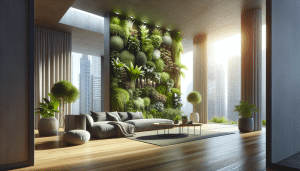
Incorporating houseplants into home decor is an art form in itself. From classic potted arrangements on windowsills to dramatic hanging baskets in living rooms, the options are nearly endless. Some people prefer minimalist displays using a single large statement plant, such as a majesty palm or rubber tree. Others fill every shelf and nook with diverse species for an authentic jungle vibe. Experimenting with containers—ranging from sleek ceramics to upcycled jars—adds further personality. Layering heights, textures, and leaf shapes creates living tapestries that evolve as the plants grow.
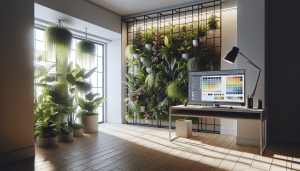
Vertical gardening brings lushness to even the smallest apartments. Wall-mounted shelves, plant ladders, and trellises maximize greenery in tight spaces. Trailing vines cascading from high points add dynamic movement, while compact succulents nestle into tiny spots. Some innovative homes use plant-friendly room dividers, crafting leafy privacy screens between zones. With a bit of creativity, even corners previously overlooked become eye-catching green sanctuaries.
Room design can benefit from strategic plant placement. Tall species can draw the eye upward and make ceilings feel higher, while wider spreads or bushy foliage fill empty corners. Colorful blooms, like anthuriums or orchids, inject pops of color without clashing with existing decor. Some people group plants by leaf color or growth habits for themed arrangements, while others prefer a wild, layered look. Ultimately, every arrangement is unique, making each indoor jungle a personal expression of style and inspiration (Source: https://www.rhs.org.uk/advice/profile?pid=957).
Essential Care Routines for Thriving Plants
Consistency is the foundation of any vibrant houseplant collection. Establishing routines around watering, feeding, and maintenance ensures strong growth. Regularly scheduled checks for dry soil, yellowing leaves, or pest activity create opportunities to address minor problems before they escalate. Feeding plants during their active growth periods—spring and summer—encourages lush new foliage. Choosing the right potting mix, tailored for each species, further optimizes their vitality. Home gardeners find that with time, caring for plants becomes meditative and satisfying, supporting both plant and personal well-being (Source: https://hgic.clemson.edu/factsheet/care-of-indoor-plants/).
Pest and disease prevention is simple with attentive routines. Inspecting leaves—both topside and under—for tiny insects or speckling helps catch common issues early. Natural remedies, such as washing leaves or using neem oil, can often address the most frequent plant problems safely. Providing adequate airflow and avoiding waterlogged soil minimizes the risk of mold or fungal outbreaks. When pests or disease do occur, prompt action and isolation can limit spread to the rest of an indoor garden.
Pruning is another essential routine. Removing dead or damaged leaves not only tidies up appearances but also supports healthy growth. Some species benefit from regular shaping to maintain their desired form. Propagation, which involves taking leaf or stem cuttings to start new plants, can feel especially rewarding. Many find this aspect of plant care sparks curiosity and fosters a sense of achievement as tiny new shoots take root. Household greenery becomes not just a design choice but a continually growing hobby.
Troubleshooting Common Houseplant Challenges
Even with the best intentions, challenges arise on the houseplant journey. Overwatering or underwatering are frequent concerns. Symptoms like drooping, yellowing, or browning leaves often signal problems with moisture management. Learning to recognize these early signs becomes invaluable. Adjusting routines, rather than panicking, helps most plants recover quickly. Others may notice their greenery seems to stall, refusing to produce new growth for weeks. This can result from a need for more light, nutrients, or simply seasonal dormancy.
Pests, ranging from tiny gnats to spider mites, occasionally invade even the cleanest homes. Spotting sticky residue, tiny webs, or holes in leaves points to potential infestations. Isolating affected plants, trimming badly damaged foliage, and applying natural treatments helps restore health without chemical overload. Persistent issues may require switching to a fresh potting medium or repotting altogether. Gardening forums and plant care helplines offer further troubleshooting support for tough cases (Source: https://edis.ifas.ufl.edu/publication/EP347).
Sometimes, the challenge lies in the environment itself. Dry winter air can sap moisture from leaves, while hot summer windows may scorch sensitive foliage. Using humidifiers, pebble trays, or repositioning plants away from direct heat sources ensures stability. Gradually rotating plants keeps them growing evenly toward the light. Small adjustments, made over time, teach resilience to both gardener and plant collection alike. Overcoming challenges together makes the eventual lushness even more rewarding.
Expanding a Home Jungle Through Propagation
Propagation fascinates many plant lovers. This process allows a single healthy houseplant to spawn dozens of new offspring. Popular propagation techniques include trimming and rooting cuttings in water, dividing mature clumps, or planting seeds. Some species—like pothos or spider plant—propagate rapidly and provide almost instant gratification. Watching roots form and transform into vigorous new greenery adds an extra layer of joy to houseplant ownership.
Sharing propagated plants strengthens connections among friends, family, and neighbors. Gifts of rooted cuttings make meaningful presents, while local plant swaps offer chances to discover unfamiliar varieties. Online communities flourish with swaps and propagation advice, allowing even novices to participate. Careful labeling of new shoots and keeping track of growth fosters a sense of stewardship, connecting people to their environment and each other (Source: https://www.bbg.org/gardening/article/indoor-plant-propagation).
Advanced propagation methods include grafting unique varieties or experimenting with rare tropical plants. While this can require more effort, the rewards for patient home gardeners are substantial. Over time, propagation leads to denser, more diverse indoor jungles. Propagating from established plants also promotes sustainability, limiting the need to purchase new stock. For many, the propagation process embodies the spirit of indoor gardening—growth, renewal, and endless curiosity.
References
1. Bringslimark, T., Patil, G. G., & Hartig, T. (2009). The psychological benefits of indoor plants: A critical review of the experimental literature. Retrieved from https://www.ncbi.nlm.nih.gov/pmc/articles/PMC4419447/
2. University of Minnesota Extension. (n.d.). Growing indoor plants with success. Retrieved from https://extension.umn.edu/houseplants/growing-indoor-plants
3. Royal Horticultural Society. (n.d.). Indoor plants: a selection. Retrieved from https://www.rhs.org.uk/advice/profile?pid=957
4. Clemson Cooperative Extension. (n.d.). Care of indoor plants. Retrieved from https://hgic.clemson.edu/factsheet/care-of-indoor-plants/
5. University of Florida IFAS Extension. (2016). Houseplant insects and related pests. Retrieved from https://edis.ifas.ufl.edu/publication/EP347
6. Brooklyn Botanic Garden. (n.d.). Indoor plant propagation. Retrieved from https://www.bbg.org/gardening/article/indoor-plant-propagation

 Minimalist Living Ideas You’ll Actually Want to Try