How Changing Your Home Decor Transforms Everyday Living
Amira Solberg October 13, 2025
Explore how revamping your home decor uplifts everyday experience and impacts your well-being. Dive into this lifestyle and entertainment guide to discover trends, design tips, and the link between personalized interiors and happiness.
Understanding the Power of Personal Home Decor
Personalized home decor shapes daily life more than most realize. The colors, textures, and layouts chosen do not merely define aesthetics—they alter how occupants feel every day. Subtle design details influence everything from relaxation to productivity and mood stability. Interior spaces tailored to reflect individual tastes often create a sense of belonging and comfort, turning houses into true sanctuaries. Bringing warmth through smart design decisions supports well-being and emotional health, setting the stage for a more harmonious lifestyle within familiar surroundings. Experts note that maximizing natural light, adding personal artwork, and layering soft accents nurture positive ambiance at home (Source: https://www.ncbi.nlm.nih.gov/pmc/articles/PMC8726987/).
Decor choices impact not only the look but also the livability of home spaces. Individuals who surround themselves with meaningful objects tend to report higher satisfaction and happiness in their daily routines. Little touches, like displaying treasured photos or integrating favorite color palettes, reinforce emotional connections and encourage mindful living. According to design psychology, environments reflecting personal stories and values can foster a stronger sense of identity. Homeowners may find that investing time in decor projects leads to increased pride and motivation for keeping spaces organized and welcoming (Source: https://www.psychologytoday.com/us/blog/the-meaning-home/201905/your-home-psychological-portrait).
Adjusting decor seasonally or according to changing needs ensures that surroundings never feel stagnant. Rotating textiles, shifting furniture, or introducing new artwork can spark inspiration and creativity. Periodic updates signal fresh beginnings, which can help alleviate monotony and seasonal affective patterns. Designing spaces with intention grants individuals a sense of control, which research links to resilience and adaptability. These elements collectively reinforce that home decor holds more impact than surface-level style—it’s integral to everyday flourishing (Source: https://www.sciencedirect.com/science/article/pii/S2352721822001846).
The Connection Between Mood and Interior Design Trends
Current interior design trends often reflect collective psychological needs. For instance, the return to earth tones and organic materials signals a desire for calm and groundedness in uncertain times. Research links soothing palettes such as greens, beiges, and terracottas with lowered stress levels and increased relaxation. Incorporating indoor plants or sustainable materials satisfies both aesthetic hunger and environmental consciousness, blending comfort with responsible living. The rise of biophilic design—using nature-inspired elements indoors—underscores society’s craving for stress relief within daily routines (Source: https://www.americansocietyofinteriordesigners.org/resources/research/impact-of-design).
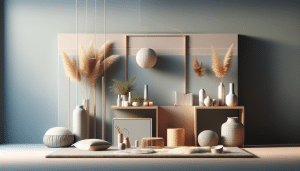
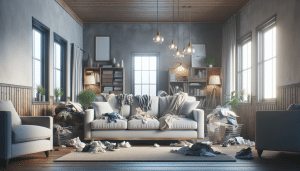
In parallel, minimalist trends appeal to those seeking simplicity and tranquility. Visual clutter can subconsciously elevate anxiety, making functional and tidy spaces preferable for mental clarity. Clean lines, muted hues, and streamlined furniture help foster serenity and greater focus. Many homeowners are transforming unused spaces into small reading nooks or meditation corners, promoting daily moments of peace and reflection. Embracing these trends is not just a style statement—it’s an act of self-care that influences satisfaction and productivity.
Eclectic styles, maximalism, and nostalgia are equally popular, catering to individuals valuing creativity and playful expression in their surroundings. Bold wallpaper, unique antiques, and personal mementos make rooms memorable. Spaces decorated with layers of memories and vibrant colors can trigger positive energy and remind inhabitants of joyful experiences. Regardless of style, the common thread is authenticity. Interiors mirroring who we are invite comfort, making any home a happier and more inviting place to be (Source: https://www.ncbi.nlm.nih.gov/pmc/articles/PMC8419146/).
Affordable Updates That Make a Lasting Impact
Revamping interiors does not require a substantial investment. Small, affordable changes often deliver the biggest transformation. Swapping out throw pillows, layering new rugs, or applying a fresh coat of paint can dramatically change a room’s mood and appearance. Even rearranging existing furniture creates a renewed sense of space, offering new perspectives without extra cost. Sourcing secondhand items or repurposing decor cushions budgets further, blending sustainability with ingenuity. DIY projects not only personalize spaces but also instill a sense of accomplishment and pride in one’s living environment.
Lighting is another powerful tool for affordable transformation. Changing light fixtures, adding warm bulbs, or incorporating fairy lights fosters ambiance and makes rooms feel cozier. Daylight maximization is equally important—mirrors placed strategically reflect sunlight to brighten interiors. Window treatments that allow flexible control over light and privacy further improve comfort and functionality. These small investments reward households with inviting and adaptable environments ideal for work, relaxation, and entertainment (Source: https://www.energy.gov/eere/energysaver/lighting-choices-save-you-money).
Functional storage solutions enhance both appearance and organization. Multi-purpose furniture—like ottomans with hidden storage or wall-mounted shelves—keeps clutter at bay. Open shelving displays cherished items, adding visual personality while improving access. These effective yet simple approaches make homes feel more spacious, tidy, and user-focused, demonstrating that practical updates do not have to be complex or expensive.
Personalization: Crafting Spaces That Reflect Identity
Personalized interiors foster connection and well-being. Incorporating art, color schemes, and objects that tell personal stories transforms anonymous rooms into meaningful sanctuaries. These choices may include displaying hand-painted canvases, craftwork, or souvenirs collected on special trips. By integrating life stories into decor, individuals manifest their passions, memories, and aspirations—turning everyday living into a celebration of unique identity. This approach supports a sense of control and rootedness, reinforcing the link between environment and mental balance.
Involving all household members in decor choices strengthens relationships and creates shared experiences. Family photos, collaborative art projects, or even consensus on color palettes give everyone a sense of belonging and shared ownership. Such involvement is especially beneficial for children or multi-generational households, as it nurtures emotional security and unity. These personalized touches foster a warm, inviting atmosphere where every voice is heard and respected (Source: https://www.child-encyclopedia.com/attachment/according-experts/importance-home-environment-child-development).
Personalization is adaptable, growing alongside changing needs or evolving tastes. Homeowners discover joy in slowly evolving their surroundings—experimenting with color, texture, and accessories as interests shift. This ongoing process ensures that no space becomes stagnant; each update honors both past milestones and future dreams.
Entertainment Spaces: Creating Areas That Inspire Gathering
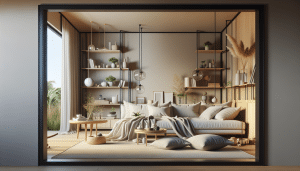
Designing practical yet inviting entertainment spaces at home enhances both social life and daily joy. Living rooms outfitted for comfort and versatility can accommodate movie nights, board game marathons, or small gatherings. Combining plush couches, adaptive lighting, and accessible storage results in a setup perfect for both relaxed evenings and celebratory occasions. Well-placed coffee tables and flexible seating arrangements allow for casual dining, conversation, and family activities.
Open-plan designs or multifunctional zones foster seamless transitions between everyday life and special events. Homeowners are increasingly opting for layouts that blur the boundaries between kitchens, dining areas, and lounges, supporting a wide range of entertainment options. Incorporating speakers, projection equipment, or even small bars enhances flexibility and elevates the experience—making the home a preferred destination for connection and celebration. Balancing traffic flow with coziness ensures these spaces serve every need (Source: https://www.houzz.com/magazine/how-to-create-a-multifunctional-room-stsetivw-vs~115965893).
Outdoor areas, balconies, or patios offer additional opportunities for imaginative gatherings. Comfortable seating, atmospheric lighting, and weather-resistant decor welcome guests and residents alike. These extensions of living space provide much-needed fresh air and host memorable moments under the sky. Regardless of square footage, creatively designed entertainment zones can elevate home life for everyone involved.
Trends in Sustainable and Eco-Friendly Decor
Sustainable decor is more than a passing trend; it’s a shift in lifestyle. Many people are choosing furnishings crafted from recycled materials, low-VOC paints, and ethically sourced fabrics. Bamboo, reclaimed woods, and natural fibers are both attractive and better for the planet. Sustainable interior design reduces environmental impact and often supports local artisans or fair-trade initiatives, aligning home beautification with global responsibility.
The appeal of green design extends to energy efficiency. Using LED lighting, thermal curtains, and smart thermostats lowers utility costs and carbon footprint. Incorporating indoor plants purifies air and adds vibrancy, proving that eco-conscious choices can look stylish while supporting wellness. Simple swaps—like switching to reusable containers or composting organic waste—make responsible living accessible to any household (Source: https://www.epa.gov/saferchoice/tips-greener-living).
Educating oneself about certifications such as GREENGUARD or FSC can help consumers select trustworthy products. Swapping fast furniture for enduring, repairable pieces creates a more sustainable cycle of use. Ultimately, eco-friendly decorating is as much about mindful decision-making as it is about aesthetics. Every choice shapes both a personal story and a healthier future for the world beyond our walls.
References
1. American Society of Interior Designers. (n.d.). The Impact of Design. Retrieved from https://www.americansocietyofinteriordesigners.org/resources/research/impact-of-design
2. National Center for Biotechnology Information. (2022). Home Environment, Wellbeing and Mental Health. Retrieved from https://www.ncbi.nlm.nih.gov/pmc/articles/PMC8726987/
3. Psychology Today. (2019). Your Home: A Psychological Portrait. Retrieved from https://www.psychologytoday.com/us/blog/the-meaning-home/201905/your-home-psychological-portrait
4. ScienceDirect. (2022). Interior Design and Wellbeing. Retrieved from https://www.sciencedirect.com/science/article/pii/S2352721822001846
5. Encyclopedia on Early Childhood Development. (2017). Importance of Home Environment in Child Development. Retrieved from https://www.child-encyclopedia.com/attachment/according-experts/importance-home-environment-child-development
6. U.S. Environmental Protection Agency. (2023). Tips for Greener Living. Retrieved from https://www.epa.gov/saferchoice/tips-greener-living

 Discover Secrets to Affordable Luxury Travel