You Might Not Know These Train Travel Secrets
Henry Caldwell October 29, 2025
Train journeys reveal more than just landscapes—they uncover unique experiences, cost-saving strategies, and practical tips for comfort and efficiency. Explore the lesser-known secrets of train travel, from sleeper ticket advantages to scenic rail routes, and find inspiration for your next adventure on the tracks.
Why Train Journeys Offer Unique Travel Experiences
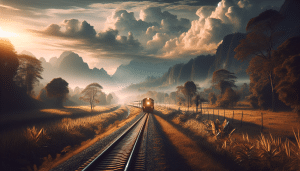
There’s a reason rail journeys have fascinated travelers for centuries. Unlike most air travel, trains provide uninterrupted views right from your seat, revealing rural towns and rolling hills rarely seen from highways. On a train, the journey itself becomes an integral part of the experience—long tracks wind through historic city centers and stunning natural landscapes. As the gentle rhythm settles in, there is time to observe, reflect, and mingle with other passengers, adding unexpected social encounters to your adventure. Many rail networks design routes specifically to highlight scenic vistas, which can turn a commute into a memorable sightseeing tour.
Another hidden advantage: flexibility. Many train operators offer open tickets or affordable day passes, enabling stopovers in interesting places along your route (Source: https://www.eurail.com/en/eurail-passes/what-is-eurail). This flexibility helps maximize your travel budget and enriches the journey by allowing spontaneous detours to picturesque villages or iconic landmarks. Unlike traveling by car or plane, there’s no need to worry about traffic jams or complicated check-ins. It’s possible to read, nap, or savor local snacks bought on board—making train journeys a restful, productive, and enjoyable form of transit for both short and long distances.
Travelers also find that rail routes often connect directly to central districts, saving time and local transit costs. Train stations typically sit at the heart of cities, offering an easy start to exploration the moment you arrive. Moreover, many modern trains cater to accessibility needs, provide ample luggage space, and feature reliable Wi-Fi connections, enabling work, social media sharing, and relaxation without interruption. Together, these details create a distinctive journey—one that gives passengers time, comfort, and perspective to see the world differently.
Sleeper Trains and Overnight Travel Strategies
Sleeper trains deliver a rare blend of travel and accommodation, letting riders cover large distances while resting. These trains feature private cabins or shared berths, transforming your seat into a cozy bed once night falls. Not only does this save on the cost of a hotel room for the night, but it also maximizes precious daylight hours for sightseeing upon arrival. Sleeper services are common across Europe, Asia, and parts of North America (Source: https://www.seat61.com/sleeper-trains.htm). Many first-time riders are surprised by the comfort, amenities, and unique camaraderie that develop among overnight travelers.
Booking a sleeper train sometimes comes with added onboard benefits, such as complimentary breakfast, lounge access, or priority boarding. It’s helpful to research carriage types, ticket classes, and available upgrades, since comfort and privacy levels can vary significantly. Some routes offer luxury suites with en-suite bathrooms, while others provide basic—but clean—bunks in shared compartments. Secure luggage storage is standard, giving you peace of mind while you rest. Experienced travelers recommend packing earplugs and a sleep mask to ensure an undisturbed night—these small items can make a significant difference in quality of rest.
There are practical travel hacks for using overnight rail services effectively. For example, reserving tickets in advance often secures the best price and preferred cabin options. If booking last-minute, some stations have ticket counters open late to accommodate spontaneous travelers. Taking an early-evening departure and arriving at the destination in the morning allows you to hit the ground running. Taking advantage of station showers—often free or low-cost—can help you refresh before embarking on the next leg of your journey.
How to Maximize Savings on Ticketing and Rail Passes
Smart travelers use a combination of single tickets, rail passes, and discount cards to stretch their travel budget. Many train networks promote regional, national, or international passes that grant unlimited travel within a set period (Source: https://www.raileurope.com/en). These can be particularly cost-effective for those planning multi-city itineraries or with flexible travel dates. Early-bird fares and youth, senior, or family discounts are often available but require some digging through official websites or partner platforms.
Online booking portals typically include fare comparison tools to reveal hidden deals. In some regions, off-peak travel—journeys outside rush hours or busy seasons—can offer lower prices for the same quality of service. Splitting journeys with separate tickets may sometimes result in overall savings, though this requires careful coordination to avoid missed connections. Digital passes have also eliminated the hassle of paper tickets, streamlining both pre-trip planning and on-the-go adjustments. Taking time to study the fine print and refund policies helps avoid unnecessary costs or confusion later.
Group travel presents another opportunity for reduced fares. Several train companies provide group rates or multi-passenger savings when traveling as a family or with friends (Source: https://www.amtrak.com/group-travel). It’s worth exploring local special offers or partnership discounts with local hotels, tourist attractions, or other transport services. Combining these tactics can make extended train journeys surprisingly affordable—sometimes even more so than budget airlines or rental cars.
Choosing Routes That Uncover Hidden Wonders
One of the most enjoyable train travel secrets is the route selection. Iconic lines like the Glacier Express in Switzerland or the Trans-Siberian Railway are well-known, but many countries hide delightful routes lesser-known to tourists. Local railways often connect rural regions, mountain foothills, or historic towns—places rarely included on standard tourist itineraries (Source: https://www.nationalgeographic.com/travel/article/worlds-most-scenic-train-routes). Exploring region-specific maps or travel blogs reveals routes where the scenery alone is worth the fare.
Many scenic lines run slower trains with large panoramic windows, open observation cars, or dome seating for improved viewing. Some operators align train schedules with sunrise or sunset for unforgettable views. Travelers who plan with flexibility can swap direct express lines for slower locals on purpose, stretching out journeys to appreciate winding rivers, lakeside villages, or dramatic coastlines. These routes often stop at inviting little stations where you can hop off for a short walk, meal, or overnight stay.
Issues like terrain, climate, or accessibility might impact route selection, so checking in advance saves time and avoids complications. Recreational and historical train lines are revived each year, making it possible to enjoy vintage carriages, steam locomotives, or even themed trips such as wine tastings or local culinary tours (Source: https://www.seat61.com/special-trains.htm). Following train enthusiasts on social media or consulting regional tourism boards uncovers these rich experiences that are otherwise easy to overlook.
Comfort, Food, and Essential Packing for Rail Trips
Train travel offers unique comfort features compared with other transport modes. Spacious seats, the ability to walk and stretch mid-journey, and the sight of passing countryside—all contribute to a more relaxed atmosphere. For long trips, choosing a seat near a window or in a quiet carriage can boost comfort. Upgrading to a premium class often grants access to larger seats, quiet zones, and complimentary refreshments (Source: https://www.go-euro.com/blog/what-to-pack-for-a-train-trip). On some services, reservations give you the ability to choose your exact seat location.
Food aboard varies widely. High-speed trains across Japan, Europe, or the US might have full-service restaurant cars, while slower regional routes offer snack bars or trolley service. Bringing your own packed meal from a local delicatessen or market is both budget-friendly and a great way to sample regional flavors. Some iconic train journeys have become famous for onboard meals, wine selections, or regional specialties served in the dining car.
Packing light and smart can make all the difference on a train trip. Essentials might include a refillable water bottle, light blanket, travel pillow, and entertainment such as books or downloaded movies. Remember to pack any necessary medications and a portable charger, as not all trains provide individual sockets. Many travelers keep a small kit with snacks, wipes, hand sanitizer, and extra layers for temperature changes inside the carriage. Keeping important items in a day bag ensures you have everything close at hand throughout the ride.
Eco-Friendly Benefits and Local Connections
Trains stand out as a sustainable travel choice, producing less carbon emissions per passenger than either cars or airplanes (Source: https://www.epa.gov/greenvehicles/fast-facts-transportation-greenhouse-gas-emissions). For travelers conscious of environmental impact, rail journeys often provide the best balance of comfort, convenience, and eco-friendliness. Additionally, many train networks are upgrading fleets to electric, hybrid, or renewable energy sources, further reducing emissions. Choosing rail supports broader goals around climate protection and responsible tourism.
Another overlooked advantage is the connection to local communities. Rail stations are typically a hub of activity: small markets, cafes, and locally owned shops thrive around them. Travelers arriving by train are often closer to authentic neighborhoods and local attractions—unlike airports or highway rest stops that bypass the real character of a destination. Train journeys thus encourage richer experiences, more meaningful interactions, and direct support for local economies.
Some train networks actively partner with sustainable tourism initiatives, offering nature excursions, hiking connections, or discounted entry to heritage sites as part of the ticket package. Green certifications and eco-labels are increasingly common, helping travelers select operators committed to minimizing their footprint (Source: https://www.railwaygazette.com/sustainability-index). These partnerships underline how rail travel can be both an adventure and a practical choice for conscious explorers.
References
1. Eurail. (n.d.). What is Eurail? Retrieved from https://www.eurail.com/en/eurail-passes/what-is-eurail
2. Seat61. (n.d.). Sleeper trains guide. Retrieved from https://www.seat61.com/sleeper-trains.htm
3. Rail Europe. (n.d.). Train tickets & passes. Retrieved from https://www.raileurope.com/en
4. National Geographic. (n.d.). World’s most scenic train routes. Retrieved from https://www.nationalgeographic.com/travel/article/worlds-most-scenic-train-routes
5. EPA. (n.d.). Fast facts: Transportation greenhouse gas emissions. Retrieved from https://www.epa.gov/greenvehicles/fast-facts-transportation-greenhouse-gas-emissions
6. Railway Gazette. (n.d.). Sustainability index. Retrieved from https://www.railwaygazette.com/sustainability-index

 Can You Build Wealth With Dividend Investing