You Can Make Your Home Feel Greener and Healthier
Henry Caldwell September 26, 2025
Curious about easy ways to boost air quality and style at home? Discover how indoor plants can transform your space, improve wellness, and even make cleaning simpler. Let’s explore practical ideas for healthier living environments, and why plants are more than just decor.
Why Indoor Plants Matter for Wellbeing
Indoor gardening has become more than a hobby—it’s a lifestyle shift that shapes how spaces feel and function. Bringing greenery inside enriches both atmosphere and health. People are drawn to plants for their calming effect and ability to filter out common indoor pollutants. With the right selection, indoor plants can help create a microclimate that reduces dust, boosts humidity, and even provides subtle mood support. The diversity of options ensures that every home, no matter the size, can enjoy these benefits—regardless of expertise level or available sunlight.
One often-overlooked benefit of indoor plants lies in their contribution to air quality. Studies have shown that many species, including spider plants, peace lilies, and ferns, naturally absorb toxins such as formaldehyde and benzene from the air. While the effect is subtle compared to mechanical filters, these plants work around the clock, especially when grouped together. This means a living room, bedroom, or kitchen populated with the right greenery sees a continuous, gentle purifying process with practically no effort required beyond occasional watering and trimming (Source: https://www.epa.gov/indoor-air-quality-iaq).
Health isn’t just physical. The presence of plants can have a tangible effect on emotional balance and concentration. Some research points to improved productivity and reduced anxiety when working or relaxing near lush foliage. The act of nurturing a plant—from watering routines to repotting—offers everyday mindfulness. Whether you’re in a home office or decorating a child’s bedroom, integrating plants is a low-cost, high-reward step toward a calming, productive environment.
Choosing the Right Plants for Different Rooms
Not all indoor plants are created equal. The perfect plant for your bathroom might not thrive in your living room. Humidity, sunlight, and temperature vary by room—so plant choices should match these environmental factors. For bright kitchens, herbs such as basil and mint do double duty by purifying air and lending flavor to your meals. Bathrooms, often more humid and lower in light, welcome ferns, snake plants, and pothos, which thrive with little maintenance and enjoy moisture in the air.
Bedroom plant selection often focuses on peaceful sleep and relaxation. Lavender and jasmine have scents associated with stress reduction, making them favorites near bedside tables. For areas lacking direct sunlight, consider low-light options like zz plants and peace lilies. Large spaces—like living rooms—can make a statement with fiddle leaf figs or rubber plants, which are visually striking and known for absorbing indoor pollution (Source: https://extension.psu.edu/air-quality-improvement-with-indoor-plants).
Matching care requirements to your lifestyle simplifies plant parenting. Plants such as succulents and cacti require minimal watering, perfect for busy individuals or travelers. High-traffic spaces might benefit from hardy plants that resist damage, such as sansevieria or palm varieties. By thoughtfully selecting and positioning greenery, every corner of your home can host thriving plant life with minimal stress and maximum benefit.
Key Considerations for Home Air Quality
With today’s homes designed for energy efficiency, ventilation can sometimes be overlooked. Trapped air allows pollutants—dust, pet dander, volatile organic compounds—to build up over time. Greenery naturally assists ventilation by increasing oxygen levels and removing trace toxins. When paired with good airflow (like opening windows or using fans), indoor plants can enhance overall air purity. This synergy between plants and airflow means cleaner, fresher rooms without complicated systems.
Safe indoor plant care begins with smart choices. Certain common houseplants are toxic if ingested by pets or small children—like philodendrons or dieffenbachias. Before bringing a new plant home, always check for compatibility with your household. Another overlooked factor is soil health; potting mix can harbor mold or pests if overwatered. Opt for high-quality, well-draining soil and monitor moisture levels to support happy, healthy growth. Sustainable, low-chemical gardening keeps your home’s air and flora as pure as possible (Source: https://www.cdc.gov/healthyhomes/bytopic/airquality.html).
Don’t underestimate the role of routine maintenance. Regularly wiping down leaves, removing dead foliage, and checking for pests keep your plants vigorous and functional. Some homeowners even use DIY natural leaf sprays to deter insects and add shine. Focusing on daily or weekly micro-tasks simplifies plant upkeep and ensures that your home environment stays as harmonious as possible, all year long.
How Plant Placement Impacts Style and Wellness
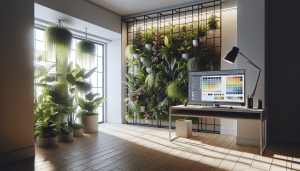
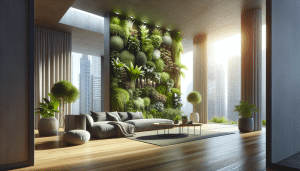
The way greenery is arranged throughout a space influences mood, perception of room size, and even the style identity of your home. Grouping plants by size or foliage texture creates visual interest, while placing smaller pots at eye level—on shelves or hanging planters—injects freshness into overlooked nooks. Even just one large plant can change the ambience of an entryway or open-plan living area, lending a touch of the outdoors inside.
Beyond decor, strategic plant placement improves functionality. In kitchens, herbs near windows are easily accessible for cooking and cleaning. Bathrooms benefit from moisture-loving varieties clustered around bathtubs or on open shelves. Some people separate zones for relaxation—like a reading nook surrounded by calming greenery—from active workspaces, signaling different purposes for each part of the home. These decisions go beyond style—they’re functional choices that promote comfort and mindfulness.
Light is another essential consideration. Positioning shade-tolerant plants in darker corners and sun-loving types near south-facing windows ensures optimal growth and avoids disappointment. Simple devices like moisture meters or apps that track sunlight can guide placement and prevent over- or under-watering. Experimenting with locations and combinations helps find the balance between beautiful design and plant health. Over time, each area will evolve to fit your needs and design vision.
Keeping Indoor Plants Thriving With Less Effort
Plant parents know the challenges of consistent care. However, choosing the right pots—ones with good drainage—minimizes risk of root rot and reduces the need for frequent repotting. Self-watering containers further relieve maintenance hassles, especially for those who travel or have unpredictable routines. Grouping plants with similar water and light needs simplifies daily routines and boosts survival rates.
Fertilizer is another factor to consider for lush growth. Slow-release or organic fertilizers provide consistent nutrients without constant intervention. Over-fertilization, however, can cause more harm than good, so researching each plant’s specific needs yields the best results. Some people swear by natural amendments—like used coffee grounds or eggshells—for extra minerals. These home remedies can supplement professional products, just be mindful of the amount and frequency to avoid build-up (Source: https://www.gardeners.com/how-to/fertilizing-houseplants/8630.html).
Technology also assists with care. Mobile apps help monitor watering schedules, sunlight exposure, and even identify plant species or health issues. For busy individuals, setting reminders or using smart sensors lowers the risk of neglect. Scheduled weekly walk-throughs—checking soil moisture and inspecting for common problems—make the difference between struggling and thriving plants. Minimal daily effort translates into ongoing, visible beauty and wellness support throughout your home.
Sustainable Practices for Green Living Spaces
Going green at home extends beyond plant selection. Sustainable potting options and organic soils reduce environmental impact. Containers made of recycled materials, terracotta, or biodegradable composites serve as earth-friendly alternatives to plastic. Sourcing plants from local nurseries or swapping with friends reduces transportation emissions and supports community initiatives.
Composting spent soil and plant trimmings keeps waste out of landfill and closes the home gardening loop. Indoor worm bins or balcony composters are accessible to apartment dwellers. For those with yards, blending in indoor compost with outdoor garden beds or landscaping further minimizes your household’s carbon footprint. Water-conserving habits—like collecting rainwater or reusing cooled cooking water—help maximize resources and protect your indoor garden (Source: https://www.rhs.org.uk/advice/sustainable-gardening).
Building a support network can enhance sustainability practice. Online gardening forums, neighborhood plant swaps, or community events offer new plant varieties and advice. Shared knowledge about pest control, propagation, and sustainable gardening amplifies individual efforts. Together, these steps foster a home—and planet—that’s more resilient and vibrant, one plant at a time.
References
1. U.S. Environmental Protection Agency. (n.d.). Indoor Air Quality. Retrieved from https://www.epa.gov/indoor-air-quality-iaq
2. Penn State Extension. (n.d.). Air Quality Improvement with Indoor Plants. Retrieved from https://extension.psu.edu/air-quality-improvement-with-indoor-plants
3. Centers for Disease Control and Prevention. (n.d.). Air Quality & Healthy Homes. Retrieved from https://www.cdc.gov/healthyhomes/bytopic/airquality.html
4. The Royal Horticultural Society. (n.d.). Sustainable Gardening. Retrieved from https://www.rhs.org.uk/advice/sustainable-gardening
5. Gardeners Supply Company. (n.d.). Fertilizing Houseplants. Retrieved from https://www.gardeners.com/how-to/fertilizing-houseplants/8630.html
6. University of Illinois Extension. (n.d.). Keeping Houseplants. Retrieved from https://web.extension.illinois.edu/houseplants/

 Travel Planning Tips That Encourage Adventure