Why You Might Want to Try Collagen in Your Routine
Sofia Marquez September 27, 2025
Curious about the buzz around collagen for healthier skin, hair, and joints? Discover what science says, who might benefit, how to incorporate it into wellness routines, and what to expect from adding collagen to your beauty toolbox.
Understanding Collagen’s Role in Beauty and Wellness
Collagen is a natural protein found abundantly in the human body. It forms the structure of skin, hair, nails, and connective tissues. As a person ages, collagen levels naturally decline. This reduction can lead to common signs associated with aging: visible wrinkles, thinning hair, and decreased skin strength. Collagen supplements and peptide-enriched foods have become popular for their promise to restore some of what time takes away. Many seek to boost collagen to support a more radiant look and resilient joints, but the appeal stretches into broader wellness spaces too. Everyday beauty routines now commonly include collagen powder, capsules, or even topical creams, reflecting its demand in the self-care and supplement market.
The beauty industry has seen a rapid increase in collagen-enriched serums, drinks, gummies, and even snacks. These innovations provide various ways for users to personalize their collagen intake and target their specific goals, from skin plumping to hair gloss. However, what is collagen really doing at a cellular level? Collagen fibers act like scaffolding, holding skin and tissue together, maintaining firmness, and enabling elasticity. Some clinical studies support the claim that ingestible collagen may help reduce the depth of wrinkles and improve skin hydration when used regularly over several weeks (https://www.ncbi.nlm.nih.gov/pmc/articles/PMC6835901/).
It’s not just the beauty world talking about collagen. Wellness circles often discuss joint health, mobility, and injury recovery, where collagen peptides play a critical role. As more people turn to preventive health, supplementing with collagen or increasing collagen-rich foods could support both external appearance and physical wellness. While results vary by individual and product, the growing research on collagen’s role in human health means this supplement routinely ranks among the highest in demand on search engines and social media channels. Exploring real science and user experiences can help clarify whether collagen makes sense for your unique wellness or beauty routine.
The Science Behind Collagen Supplements
Interest in collagen supplements has soared, but what’s actually inside these powders or capsules? Most commercially available collagen products feature hydrolyzed collagen. This means the protein has been broken down into smaller amino acids, called peptides, for easier absorption. Hydrolyzed collagen, often derived from bovine, marine, or poultry sources, is designed to be bioavailable—so the body can put it to work. Supplement developers claim these peptides support the skin’s dermal matrix and stimulate natural collagen production. Research indicates that regular ingestion may promote hydration and lessen certain types of wrinkles in adult populations (https://www.ncbi.nlm.nih.gov/pmc/articles/PMC6835901/).
Collagen peptides might not just serve your skin. Emerging evidence suggests they play a role in supporting bone density, joint comfort, and even recovery from sports injuries. For example, one study observed that consuming collagen supplements for six months led to less stiffness and enhanced mobility in women with osteoarthritis (https://www.ncbi.nlm.nih.gov/pmc/articles/PMC5804520/). In addition, amino acids like glycine and proline, abundant in collagen, help fortify hair strands and may contribute to stronger, less brittle nails.
Understanding the real benefits and potential limitations of collagen requires a look at ongoing scientific trials. While some controlled studies show modest skin or joint improvements, results can be inconsistent across brands and product types. Other factors, such as an individual’s diet, lifestyle habits, and baseline health, also play a major role in collagen’s effectiveness. It’s worth reviewing scientific data and seeking guidance from wellness professionals when exploring collagen supplementation as part of your beauty or joint maintenance plan.
Daily Collagen: Food, Supplements, and Application Approaches
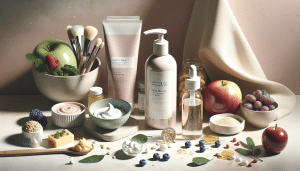
Incorporating collagen into a daily beauty routine can look different for everyone. Beyond supplement powders and pills, dietary choices can impact the body’s collagen levels. Foods like bone broth, chicken skin, fish, egg whites, and certain dairy products naturally contain collagen, while berries, citrus, and leafy greens support collagen production through vitamin C and antioxidant content. Combining these foods with external self-care approaches—such as collagen-infused creams or serums—creates a holistic wellness practice that aligns with both beauty and health trends.
When considered as part of a wellness-focused diet, collagen’s synergy with nutrients like zinc, copper, and vitamin C is substantial. These cofactors support the assembly and maintenance of strong collagen structures in connective tissues. Certain skin care products claim topical collagen can help with hydration and surface plumpness, though the research on topical absorption is limited compared to ingestible peptides (https://www.ncbi.nlm.nih.gov/pmc/articles/PMC3583892/). For best results, consider cross-referencing dietary changes with simple lifestyle habits, like drinking plenty of water and minimizing UV exposure, to maximize visible wellness benefits.
Finding the right balance of collagen-rich foods and supplements may take time and experimentation. Some people find that integrating a scoop of collagen powder into their morning coffee or smoothie fits seamlessly into their routine. Others prefer chewable bites or ready-made drinks for on-the-go nutrition. Whatever the delivery method, keeping your approach consistent is key. Long-term, an integrated approach that combines food, supplements, and mindful skincare may help maintain healthier, more glowing skin and stronger hair and nails.
Collagen Benefits for Hair, Nails, and Joints
Many people first become interested in collagen through claims about hair growth or nail strength. Collagen’s amino acids, particularly glycine and proline, serve as key building blocks in keratin—the protein behind shiny hair and resilient nails. Some case reports and early studies show that participants taking collagen-derived peptides experienced improved hair thickness and fewer broken nails with consistent use over several months (https://www.ncbi.nlm.nih.gov/pmc/articles/PMC5843386/). This makes collagen an attractive option for those seeking affordable and accessible wellness upgrades without significant lifestyle overhaul.
Joint health is another dimension of collagen’s appeal—particularly for individuals with active lifestyles or age-related discomfort. Type II collagen is most abundant in cartilage, the material cushioning joints and enabling flexibility. Clinical studies suggest oral supplementation with specific types of collagen can help relieve joint aches, improve mobility, and even speed up recovery after strenuous activity (https://www.ncbi.nlm.nih.gov/pmc/articles/PMC5183726/). Many athletes and fitness enthusiasts include collagen in their routines for this reason.
Not every person will see dramatic changes, but many notice subtle improvements—such as smoother skin, shinier hair, or increased comfort during exercise. Results are often cumulative and should be approached as part of an overall self-care plan. Some users report enjoying added energy and confidence as external improvements bolster internal motivation to stay active and engaged with healthy habits. The wide array of collagen products allows for personal customization, meeting the varied wellness needs and routines of modern beauty seekers.
Risks and Considerations for Collagen Use
Although collagen is generally recognized as safe, there are important considerations before starting a new supplement regimen. Collagen products are typically derived from animal sources—bovine (cow), porcine (pig), marine (fish), or chicken. Individuals with allergies or dietary restrictions should check product labels closely. Some vegan ‘collagen boosters’ exist, offering nutrients that support the body’s own collagen production, even if true vegan collagen is not yet widely available (https://www.hsph.harvard.edu/nutritionsource/collagen/).
Manufacturing standards and ingredient transparency are vital factors to consider. Not all products are third-party tested for purity and content accuracy. Contaminants or low-grade fillers can sometimes be a risk in unregulated global supplement markets. Doctors and dermatologists suggest looking for reputable brands, checking for independent lab certifications, and consulting healthcare professionals if unsure about interactions with medications or pre-existing conditions (https://www.fda.gov/food/dietary-supplements-products-ingredients/tips-dietary-supplement-users).
Some people may experience mild digestive changes when beginning a collagen supplement—like bloating or fullness—which often subsides with consistent use. However, those with sensitivities to specific animal proteins or receiving medical treatments should proceed with caution and seek professional guidance. Personalized wellness plans that include careful research and professional input reduce risk while maximizing the advantages of collagen-rich routines.
Collagen and Future Trends in Wellness and Beauty
Collagen’s popularity continues to accelerate as consumers search for accessible, daily steps to support beauty and wellness goals. Social media influencers, celebrities, and even medical professionals often highlight collagen’s potential as part of holistic, individualized regimens. The continued innovation in delivery methods—from drinkable shots to plant-powered boosters—means more people can find options that fit seamlessly into their lives while aligning with their values.
Ongoing research aims to clarify exactly which types of collagen, dosing protocols, and combinations with other nutrients work most efficiently. Companies are also developing GMO-free, marine, and sustainable sourcing models in response to environmental and ethical considerations. Meanwhile, the beauty and wellness market frequently showcases new formulas that blend collagen with botanicals, adaptogens, and superfoods for broader appeal (https://www.hsph.harvard.edu/nutritionsource/collagen/).
The excitement and curiosity surrounding collagen are likely to continue as more evidence emerges and wellness culture grows. Staying informed about real science, educating oneself on ingredient sourcing, and listening to body feedback are all essential to making the most of collagen’s promise. For those interested, exploring new products and survey results can provide insights into how collagen might fit into evolving personal care and health plans.
References
1. Bolke, L., Schlippe, G., Gerß, J., & Voss, W. (2019). Collagen Supplementation on Skin Hydration and Elasticity: An Evidence Mapping. Retrieved from https://www.ncbi.nlm.nih.gov/pmc/articles/PMC6835901/
2. Clark, K. L., Sebastianelli, W., Flechsenhar, K. R., Aukermann, D. F., Meza, F., Millard, R. L., … & Deitch, J. R. (2008). 24-Week study on the use of hydrolyzed collagen in the oral treatment of osteoarthritis. Retrieved from https://www.ncbi.nlm.nih.gov/pmc/articles/PMC5804520/
3. Keough, N., Cavanaugh, A., & De Luca, E. (2021). The effects of collagen hydrolysate on hair and nail health. Retrieved from https://www.ncbi.nlm.nih.gov/pmc/articles/PMC5843386/
4. Zdzieblik, D., Oesser, S., Gollhofer, A., König, D. (2017). Collagen peptide supplementation in combination with resistance training improves body composition and increases muscle strength in elderly sarcopenic men. Retrieved from https://www.ncbi.nlm.nih.gov/pmc/articles/PMC5183726/
5. Harvard T.H. Chan School of Public Health. Collagen: Nutrition Source. Retrieved from https://www.hsph.harvard.edu/nutritionsource/collagen/
6. U.S. Food and Drug Administration. Tips for Dietary Supplement Users. Retrieved from https://www.fda.gov/food/dietary-supplements-products-ingredients/tips-dietary-supplement-users

 Why Social Media Misinformation Shapes What You Believe