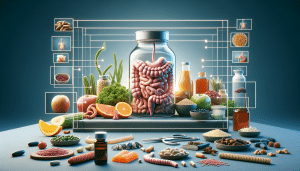
What Happens When You Prioritize Gut Health
Sofia Marquez September 24, 2025
A surprising number of people are exploring the connection between gut health, immunity, digestion, and overall well-being. This in-depth guide reveals how daily habits, foods, and lifestyle shifts can support your gut and why this matters for energy, focus, and resilience.
Understanding the Role of Gut Health in Wellness
Gut health serves as an important foundation for overall wellness. Inside the digestive tract live trillions of microbes, collectively forming the gut microbiome. This ecosystem regulates digestion, influences immune function, and helps create neurotransmitters that affect mood and energy. Research continues to draw connections between a balanced microbiome and resilience against certain digestive issues and even some autoimmune conditions (https://www.ncbi.nlm.nih.gov/pmc/articles/PMC5641835/). Everyday stresses, processed foods, and lack of sleep compromise this system. Supporting intestinal health, then, means making small but meaningful choices that shape how one feels — from the inside out.
The gut and brain constantly communicate. Scientists refer to this as the gut-brain axis. Signals sent from the intestines to the nervous system can impact clarity of mind, sleep patterns, and stress responses. Some evidence links certain bacterial strains to emotional balance, showing how a nourished gut influences more than digestion (https://www.ncbi.nlm.nih.gov/pmc/articles/PMC5641835/). When disruptions like antibiotics or high-stress phases occur, diversity in the gut microbiota can decline. This may result in discomfort, bloating, and reduced immunity — making regular self-care a non-negotiable routine for many people interested in feeling their best.
Prioritizing gut health brings practical benefits. Those who focus on fiber-rich meals, fermented foods, and hydration often experience steadier energy and less digestive upset. In the long run, nurturing healthy gut bacteria plays a role in absorbing essential nutrients, fending off harmful pathogens, and fostering clarity of thought. Resources such as the NIH’s Human Microbiome Project continue to shed light on how everyday habits shape gut flora, with new findings regularly emerging (https://commonfund.nih.gov/hmp). Understanding the invisible network within the digestive system opens the door to significant lifestyle improvements.
Building a Gut-Friendly Diet for Lasting Benefits
Designing meals that support digestive health starts with including both prebiotics and probiotics. Prebiotics, found in foods like onions, asparagus, and oats, feed beneficial gut microbes. Probiotics, present in fermented dishes such as yogurt, kimchi, and kefir, help increase the number and variety of good bacteria. When these foods are enjoyed as part of a balanced diet, people often report better digestion and even improved mood stability (https://www.health.harvard.edu/blog/nourishing-your-gut-bacteria-2019082117511). Over time, consistent inclusion of these ingredients forms a protective shield for the digestive system — a basic but effective way to support long-term health.
Fiber is a major focus in any gut-friendly approach. Soluble fiber from beans, lentils, and fruits slows digestion and acts as a food source for beneficial microbes. Insoluble fiber, found in whole grains and vegetables, prevents constipation by increasing stool bulk. Both types keep things moving and promote regularity. For those new to a higher-fiber plan, it’s best to make gradual changes to avoid discomfort. The results — feeling lighter, more energized, and comfortable — inspire many to continue prioritizing fiber throughout the day (https://www.ncbi.nlm.nih.gov/books/NBK279396/).
Avoiding common gut disruptors is just as important. Highly processed foods, excess added sugars, and repeated use of certain medications can disturb the fragile ecosystem of the gut. Experts suggest focusing on colorful produce, lean proteins, healthy fats, and unprocessed grains to maximize nutrient absorption and maintain robust gut flora (https://www.cdc.gov/nutrition/resources-publications/benefits-of-healthy-eating.html). Practicing mindful eating, such as chewing slowly and savoring flavors, enhances digestive enzyme release, further optimizing gut performance in everyday life.
Signs Your Gut May Need More Attention
Some early indicators can reveal when the gut microbiome is out of balance. Frequent bloating, gas, or discomfort after meals, as well as changes in stool consistency, are common signs. Unexplained fatigue, difficulty concentrating, and higher stress levels sometimes point to a gut in distress. These symptoms may also overlap with other health issues, so it’s important to use them as cues rather than definitive diagnoses (https://www.ncbi.nlm.nih.gov/pmc/articles/PMC5641835/). By tracking patterns — such as reactions to certain foods or periods of increased stress — individuals can adapt their routines to better support wellness.
Skin health sometimes reflects the state of the gut. Fluctuations in complexion, persistent rashes, or sudden outbreaks can be clues that internal inflammation has increased. Some dermatology studies have found that probiotic-rich diets and balanced gut flora might relate to clearer skin (https://www.ncbi.nlm.nih.gov/pmc/articles/PMC6048199/). Of course, skin changes always warrant consideration of other causes, but nurturing gut health can be one practical step towards restoring a radiant, comfortable appearance for many.
Emerging research points to unexpected relationships between the microbiome and immune resilience. A weakened gut barrier can make infections more common or result in sluggish recovery from minor illnesses. Mood imbalances may also stem from poor gut function, given that a significant portion of serotonin and other neurotransmitters originate there (https://www.apa.org/monitor/2020/01/trends-gut-microbiome). These interconnections inspire a growing number of wellness enthusiasts to take digestive health seriously, both for short-term relief and long-term vitality.
Lifestyle Shifts That Strengthen Gut Resilience
Simple everyday actions help create an internal environment where beneficial bacteria thrive. Stress management stands out; regular movement, mindfulness, and adequate sleep each foster a healthier gut-brain axis. Avoiding chronic stress is especially important, as studies show elevated cortisol may suppress microbial balance. Deep breathing and short nature walks often prove surprisingly effective at restoring harmony between body and mind (https://www.health.harvard.edu/diseases-and-conditions/the-gut-brain-connection).
Staying active encourages better digestion. Physical activity stimulates the gut’s natural contractions, helping to move waste through the system more efficiently. Regular exercise, even if gentle, is associated with greater microbial diversity and smoother digestion (as noted by leading health organizations). Consistency — not intensity — holds the key for most. Consider integrating activities like yoga, walking, or swimming into your weekly schedule to help your body (and its internal ecosystems) flourish.
Proper hydration further supports gut function. Drinking enough water lubricates the digestive tract and assists the breakdown of food, making nutrients more accessible for absorption. Combining hydration with a fiber-focused diet magnifies positive effects. For many, a reusable water bottle or scheduled “hydration breaks” make it easier to meet fluid needs. Over time, these habits add up, resulting in more efficient nutrient delivery, regular elimination, and overall vitality.
Connecting Gut Health With Immune Function
The connection between the gut and immune system is strong. Almost 70% of immune cells reside in digestive tissues, where they interact constantly with trillions of microbes. This close relationship determines how the body differentiates harmful invaders from friendly bacteria. When digestive harmony is disrupted — by factors like illness, chronic stress, or low-fiber diet — immune reactions can become less effective, or turn overly aggressive (https://www.niaid.nih.gov/research/microbiome).
A flourishing gut microbiome helps “train” the immune system. Diverse beneficial bacteria expose immune cells to a wide array of harmless microbes, teaching them tolerance and efficiency. This exposure is particularly important in early childhood, but remains relevant year after year. Some experts suggest that strategies for supporting gut health — fiber-rich foods, probiotics, stress management — can play a preventative role in modulating respiratory health, seasonal allergies, and inflammatory responses throughout life.
Multiple scientific reviews suggest that nurturing gut health offers a practical way to support immune readiness without major lifestyle overhauls. Consider small daily improvements, like choosing probiotic snacks, making movement routine, and minimizing unnecessary antibiotics. These steps help the body maintain balance, improving both day-to-day comfort and resistance against everyday challenges.
Small Changes People Make for Big Results
It’s clear from the research and personal accounts: the gut thrives on consistency, not perfection. Swapping packaged snacks for fresh fruit, sipping herbal teas, and adding new vegetables all reflect mindful efforts toward internal balance. Progress rarely happens overnight, but many who pay attention report noticeable gains within weeks — uplifting energy, steadier moods, and fewer digestive complaints.
Meal planning and food journaling make a difference. By tracking meals and symptoms, individuals can identify foods that cause discomfort and celebrate ones that consistently lead to more balance. Celebrating small wins — whether that’s trying sauerkraut for the first time or getting an extra hour of sleep — makes the journey enjoyable, sustainable, and personal.
Community support helps too. Online forums, nutrition consultants, and registered dietitians provide science-backed guidance for anyone navigating the world of gut health. Sharing stories and knowledge fosters motivation and uncovers practical tips. Over time, the journey toward digestive well-being can enrich many aspects of daily life, leading to benefits that ripple through every system of the body.
References
1. National Institutes of Health. (n.d.). The Human Microbiome Project. Retrieved from https://commonfund.nih.gov/hmp
2. Harvard Health Publishing. (n.d.). Nourishing your gut bacteria. Retrieved from https://www.health.harvard.edu/blog/nourishing-your-gut-bacteria-2019082117511
3. Centers for Disease Control and Prevention. (n.d.). Benefits of healthy eating. Retrieved from https://www.cdc.gov/nutrition/resources-publications/benefits-of-healthy-eating.html
4. National Institutes of Health. (n.d.). Microbiome. Retrieved from https://www.niaid.nih.gov/research/microbiome
5. American Psychological Association. (2020). Trends report: The gut microbiome. Retrieved from https://www.apa.org/monitor/2020/01/trends-gut-microbiome
6. National Center for Biotechnology Information. (2017). Gut microbiota’s effect on mental health: The gut-brain axis. Retrieved from https://www.ncbi.nlm.nih.gov/pmc/articles/PMC5641835/

 Secrets You Might Not Know About Peptide Serums