Wellness Routines That Reduce Stress Naturally
Sofia Marquez October 1, 2025
Stress has become a pervasive issue in today’s world. From personal challenges to professional demands, everyone feels the pressure at some point. Stress, often called a “silent killer,” is driving the rise of natural wellness routines that offer holistic, long-term relief.
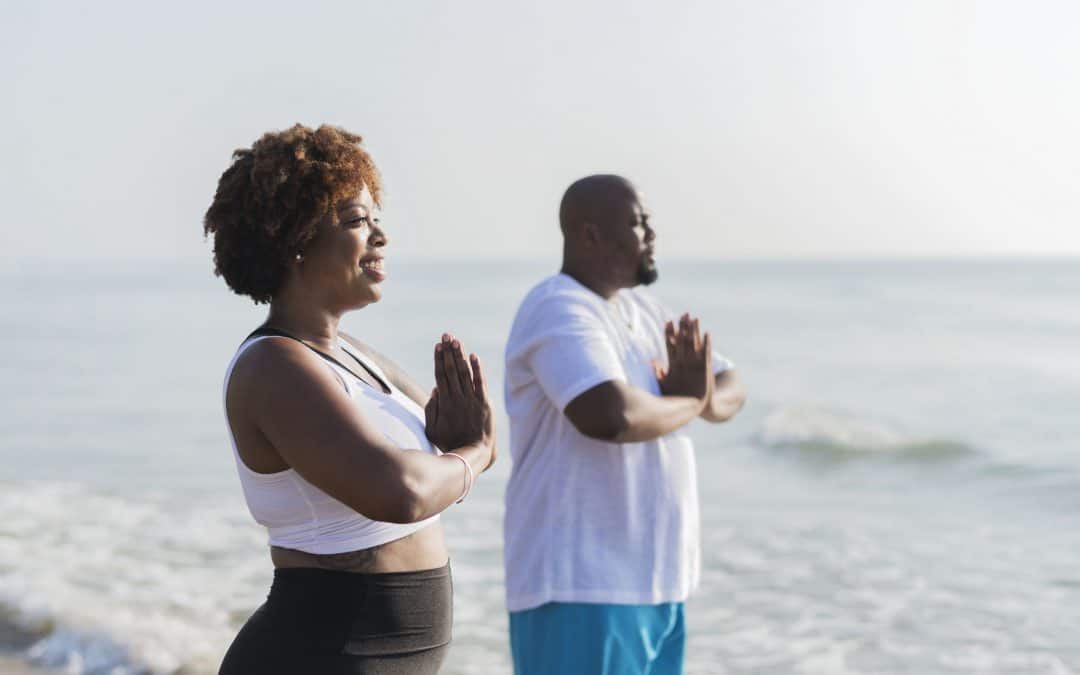
1. Mindful Breathing Techniques: The Gateway to Immediate Stress Relief
Breathing techniques have recently emerged as one of the most accessible and powerful methods for stress reduction. These practices promote slow, deep breaths that engage the diaphragm and activate the parasympathetic nervous system, reducing stress. This part of the nervous system is responsible for the “rest and digest” functions, directly counteracting the stress response.
- How It Works: By focusing on each breath, mindful breathing encourages a state of relaxation. The rhythmic process of deep inhalation and exhalation helps the brain shift focus from stressful thoughts to physical sensations.
- Trending Technique: One popular technique is the 4-7-8 method, which involves inhaling for 4 seconds, holding for 7 seconds, and exhaling for 8 seconds. This simple method has been shown to reduce heart rate and relax the nervous system, promoting a sense of calm and clarity.
Mindful breathing practices are easily integrated into daily life, making them a perfect solution for individuals looking to combat stress on the go. Apps like Calm and Headspace have further popularized these techniques, offering guided breathing sessions to help users find tranquility amidst chaos.
2. Forest Bathing (Shinrin-Yoku): Nature’s Healing Touch
Forest bathing, or Shinrin-yoku, is a practice that originated in Japan and has recently gained popularity in Western wellness circles. It involves immersing oneself in nature, particularly in wooded areas, to promote relaxation and stress relief. Unlike a brisk walk or hike, forest bathing emphasizes mindful awareness of nature, using all five senses to absorb the environment.
- How It Works: Spending time in natural spaces exposes individuals to “phytoncides”—natural oils released by trees. These substances have been shown to reduce cortisol levels and improve immune function, helping to lower stress levels significantly.
- Current Trend: In recent years, urban parks and retreat centers have started offering guided forest bathing experiences, highlighting the therapeutic effects of nature. Studies have shown that simply spending time in green spaces can improve mood and reduce symptoms of anxiety and depression.
Forest bathing is not just a physical walk but a mental reset, helping individuals become more mindful and connected to their surroundings. Whether it’s a forest trail or a simple green space, the practice has quickly found a place in modern wellness routines, offering a restorative experience for stressed individuals.
3. Journaling and Expressive Writing: The Power of Pen and Paper
Journaling has long been associated with emotional clarity, and recent trends have confirmed its effectiveness in reducing stress. Expressive writing allows individuals to process emotions, organize thoughts, and gain perspective on stressful events. Studies have shown that writing about one’s feelings can significantly lower anxiety and stress.
- How It Works: The act of writing helps externalize emotions and creates a mental distance from stressors. By putting thoughts on paper, individuals can reflect on their feelings and achieve greater emotional clarity, reducing mental overload.
- Trending Method: A popular practice within the journaling community is “morning pages,” which encourages individuals to write freely for three pages every morning. This practice, made famous by Julia Cameron’s book The Artist’s Way, helps clear the mind before the day begins, creating a sense of calm and focus.
The rising popularity of bullet journals, which combine creative design with functional organization, is also part of this trend. Bullet journals help people not only express their thoughts but also manage their time, creating a sense of order and control that can alleviate stress.
4. Sound Therapy: Healing Through Vibrations
Sound therapy, a form of sound healing, is rapidly gaining traction as a wellness routine for stress relief. This therapy involves using sound waves to help individuals relax, regain focus, and reduce stress. It includes practices like listening to binaural beats, gongs, Tibetan singing bowls, or other calming instruments. These sounds are believed to resonate with different frequencies, promoting balance in the body’s energy systems.
- How It Works: Certain frequencies in sound therapy help influence brainwave patterns, leading to deep relaxation and stress relief. For example, binaural beats—two slightly different frequencies played in each ear—are known to help synchronize brain activity, bringing the mind into a state of calm.
- Trending Approach: The use of binaural beats and sound bowls has become a regular feature in wellness studios and online platforms, with videos and guided sessions available to individuals looking to de-stress. Listening to soothing music or sound baths has become an essential part of many wellness retreats.
Sound therapy’s growing accessibility, with tools available online and in wellness centers, has made it a viable option for people seeking relaxation without medication.
5. Herbal Teas and Adaptogens: Nature’s Calm
The use of herbal remedies to combat stress has been popular for centuries, and modern adaptogens are now becoming key players in stress management. Adaptogens like Ashwagandha, Rhodiola, and Holy Basil are known for their ability to balance the body’s stress response. These herbs work by regulating cortisol levels and boosting the body’s resilience to physical and mental stress.
- How It Works: Adaptogens interact with the endocrine system to regulate the production of hormones that influence stress. By balancing cortisol levels, these herbs help stabilize energy levels, reduce fatigue, and improve mood.
- Current Trend: Incorporating adaptogenic herbs into teas, smoothies, or wellness drink powders is now a staple in many wellness routines. Adaptogen-based drinks are increasingly available in health food stores, making them a convenient option for those seeking a natural way to alleviate stress.
Herbal teas, particularly those made with calming herbs like chamomile, lavender, or lemon balm, are also seeing a resurgence. Drinking these teas in the evening can promote relaxation and prepare the body for a restful night’s sleep, essential for managing stress.
6. Guided Meditation and Visualization: Training the Mind to Let Go
Meditation has long been regarded as a staple in stress reduction, and its recent surge in popularity shows no sign of slowing down. Guided meditation, which often includes visualization techniques, is particularly effective in managing stress. By using mental imagery to envision calming and peaceful environments, individuals can reduce anxiety and activate the relaxation response.
- How It Works: Guided meditation typically involves listening to a meditation guide or app, which leads the listener through calming visualizations and mindfulness exercises. These practices help the mind focus on the present, reducing the tendency to ruminate on stress-inducing thoughts.
- Trending Method: Many apps, like Calm, Insight Timer, and Headspace, have introduced meditation sessions specifically designed to reduce anxiety and stress. Users can choose from a variety of themes, including sleep, anxiety relief, and relaxation.
Visualization techniques are also being integrated into corporate wellness programs and stress management workshops, showing the broad appeal and effectiveness of meditation in reducing workplace stress.
7. Yoga and Movement Practices: The Physical Path to Mental Relief
Yoga, one of the oldest wellness practices, continues to be a cornerstone of natural stress relief. However, the latest trend is a shift towards gentler forms of yoga, such as Yin Yoga or restorative yoga, which focus on long-held poses and deep, mindful breathing. These practices aim to calm both the body and the mind.
- How It Works: Yoga combines physical postures with controlled breathing, which reduces muscle tension, promotes flexibility, and encourages relaxation. The deep breathing inherent in yoga helps activate the parasympathetic nervous system, fostering a calm state of mind.
- Trending Focus: Many people are turning to restorative yoga rather than high-intensity workouts, recognizing its long-term benefits for stress reduction. Practices like “Yoga Nidra,” a type of guided meditation performed in a lying down position, are especially popular for deeply relaxing the body and mind.
Yoga studios and online platforms are responding to this trend by offering virtual classes and workshops tailored to stress relief, making yoga more accessible to those seeking to de-stress in the comfort of their homes.
Conclusion:
As the stress levels of modern life continue to rise, so too do the wellness routines designed to mitigate its harmful effects. From mindful breathing techniques to herbal teas and restorative yoga, these natural wellness practices are gaining popularity for their ability to reduce stress and promote overall well-being. Whether you’re seeking an immediate stress reliever or looking for long-term methods to cope with daily challenges, incorporating these wellness routines into your life can help restore balance, reduce anxiety, and improve your mental and physical health.
References
- Park, B. J., Tsunetsugu, Y., Kasetani, T., Kagawa, T., & Miyazaki, Y. (2010). The physiological effects of Shinrin-yoku (taking in the atmosphere of the forest)—using salivary cortisol and other indices to measure the effects of forest environments on human health. Available at: https://www.sciencedirect.com (Accessed: 1 October 2025)
- Zaccaro, L., Lupo, D., & Barchielli, C. (2021). Effects of mindfulness-based interventions on stress reduction: A meta-analysis. Available at: https://onlinelibrary.wiley.com (Accessed: 1 October 2025)
- Berman, M. G., Jonides, J., & Kaplan, S. (2008). The cognitive benefits of interacting with nature. Available at: https://journals.sagepub.com (Accessed: 1 October 2025)

 Financial Planning Tips for Young Professionals