Travel Planning Tips for Solo Adventures
Henry Caldwell October 6, 2025
Solo travel has become one of the fastest-growing trends in recent years, with more people choosing independence and self-discovery over group trips. In 2025, this movement continues to expand as travelers seek freedom, flexibility, and deeper personal connections with the places they visit. Whether it’s exploring a city, hiking remote trails, or experiencing cultural immersion, following travel planning tips for solo adventures ensures safety, efficiency, and meaningful experiences.
Unlike group travel, solo trips allow for complete autonomy—but they also demand extra preparation. Planning ahead makes the difference between a stressful journey and a rewarding adventure.
Why Solo Travel Is on the Rise
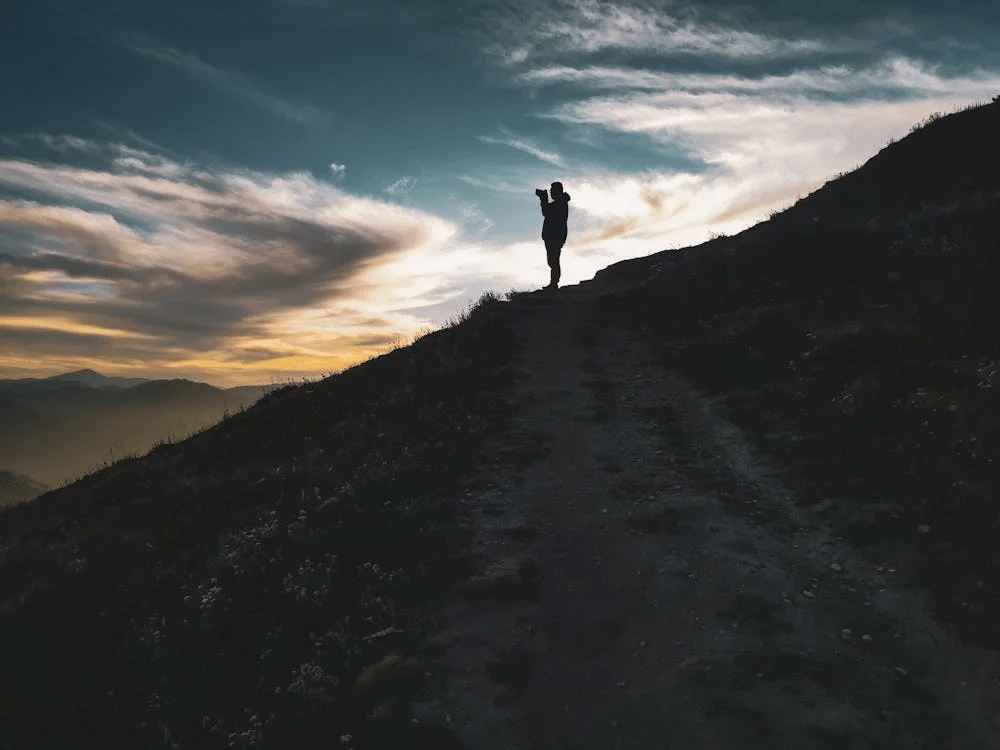
The rise of remote work, digital nomadism, and wellness-focused lifestyles has encouraged more individuals to travel alone. According to a 2024 report by Booking.com, nearly 40% of travelers planned at least one solo trip in the past year. Many cite personal growth, freedom of choice, and the opportunity to disconnect from daily routines as their main motivations.
Solo adventures also align with the broader shift toward mindfulness and intentional living. Traveling alone creates space for reflection, creativity, and self-confidence.
Essential Travel Planning Tips for Solo Adventures
1. Research Destinations Thoroughly
Safety and accessibility are top priorities for solo travelers. Research local customs, transportation options, and neighborhoods to avoid. Platforms like Lonely Planet and TripAdvisor provide firsthand insights from other solo adventurers.
2. Create Flexible Itineraries
Solo travel thrives on flexibility, but having a loose plan helps prevent wasted time. Outline key attractions, transportation routes, and rest stops while leaving room for spontaneous discoveries.
3. Prioritize Safety
- Share your itinerary with friends or family.
- Use tracking apps for real-time location updates.
- Avoid poorly lit areas at night and keep valuables minimal.
Safety apps like GeoSure and Noonlight are designed specifically for solo travelers.
4. Budget Wisely
Traveling alone often means covering all costs yourself. Budget for accommodation, food, transport, and unexpected expenses. Apps like Trail Wallet help track spending and prevent overspending.
5. Choose Solo-Friendly Accommodations
Hostels, guesthouses, and boutique hotels often provide social environments where travelers can connect. Many solo adventurers also choose Airbnb stays with hosts who can provide local recommendations.
6. Pack Light but Smart
Minimalist packing reduces stress and increases mobility. Essentials for solo trips include:
- Power bank and universal adapter.
- First-aid kit.
- Reusable water bottle.
- Copies of important documents.
7. Stay Connected
While independence is part of the solo travel appeal, staying connected ensures safety and peace of mind. Local SIM cards or portable Wi-Fi devices keep communication open with family and friends.
8. Learn Basic Local Phrases
Knowing simple phrases in the local language—like greetings, directions, or emergency words—can enhance interactions and make travel smoother.
Emerging Trends in Solo Travel
Wellness-Oriented Solo Trips
More travelers are combining solo trips with wellness retreats, meditation getaways, and digital detox programs. These experiences allow deep reflection and mental restoration.
Adventure-Based Solo Journeys
From hiking the Camino de Santiago to cycling across Southeast Asia, adventure-focused solo trips are gaining popularity among those seeking physical challenges alongside cultural discovery.
Female Solo Travel
A growing number of women are traveling independently. According to Solo Traveler World (2024), women make up nearly 60% of the solo travel market. This trend has pushed the industry to offer safer accommodations and women-focused group meetups.
Tech-Enhanced Safety
Solo travelers now benefit from wearable devices and AI-driven travel apps that provide real-time updates on local risks, weather, and recommended safe zones.
Practical Itinerary Example for Solo Travelers
Here’s a sample 5-day solo city adventure:
- Day 1: Arrival, settle into accommodation, neighborhood walk.
- Day 2: Explore cultural landmarks, join a guided walking tour for orientation.
- Day 3: Day trip to a nearby natural attraction (mountains, beaches, or countryside).
- Day 4: Personal exploration—art museums, local markets, or a cooking class.
- Day 5: Leisure morning, journaling, and departure.
This balance of structured activities and free time supports both safety and spontaneity.
Wellness Benefits of Solo Adventures
Traveling alone builds confidence, resilience, and independence. It also fosters mindfulness, as individuals are more present without distractions from companions. A 2024 study in Travel & Leisure found that solo travelers reported higher levels of satisfaction compared to group travelers, citing freedom and self-discovery as major factors.
Long-Term Value of Solo Travel
Adopting travel planning tips for solo adventures not only ensures smoother trips but also provides long-lasting benefits:
- Stronger self-confidence and problem-solving skills.
- Improved adaptability and resilience.
- Opportunities for cultural immersion and authentic connections.
- Lasting memories rooted in independence and discovery.
Conclusion
In 2025, solo travel is more than a niche—it’s a mainstream lifestyle choice. By planning effectively, prioritizing safety, and embracing flexibility, individuals can enjoy transformative journeys that balance independence with cultural exploration.
Travel planning tips for solo adventures highlight the power of preparation in making solo travel both rewarding and safe. With the right mindset and resources, traveling alone can become one of the most fulfilling ways to see the world.
References
- Booking.com. (2024). Solo travel trends report. https://www.booking.com
- Solo Traveler World. (2024). The rise of female solo travel. https://solotravelerworld.com
- Travel & Leisure. (2024). Why solo travelers are more satisfied. https://www.travelandleisure.com
- Lonely Planet. (2024). Solo travel guides and safety tips. https://www.lonelyplanet.com
- Forbes. (2024). Top apps for solo travelers. https://www.forbes.com

 Emerging Trends in Corporate Social Responsibility