Transform Your Space With Smart Indoor Plants
Henry Caldwell September 29, 2025
Curious about how indoor plants can refresh your living space and improve well-being? This guide dives into creative ways to add greenery to any room, explore plant care tips, and discover benefits from natural air purification to boosting mood with strategic houseplant placement.
Why Indoor Plants Matter More Than Ever
Indoor plants have become much more than just decor. In many homes, plant styling is now a central part of both design and daily living. Studies show that bringing nature inside enhances mood, increases productivity, and can even reduce feelings of anxiety. Whether you are working from home or simply relaxing after a long day, a vibrant leaf or a cascade of green can make your environment feel calmer and more energized at the same time. Many homeowners are now prioritizing indoor air quality and peaceful surroundings, and plants play a vital role in both.
The benefits of houseplants extend beyond their visual charm. A well-placed monstera or a cheerful pothos serves as a natural air purifier, removing harmful toxins such as formaldehyde and benzene from indoor spaces. According to NASA’s Clean Air Study, several common houseplants show the ability to absorb volatile organic compounds—helpful for anyone seeking a fresh and healthy indoor atmosphere (Source: https://ntrs.nasa.gov/citations/19930073077). This functional aspect means houseplants are not just for aesthetics—they improve environmental quality in subtle but important ways.
Adding indoor greenery is accessible to everyone, regardless of skill level or home size. Even if you live in an urban apartment with minimal sunlight, there are solutions. Snake plants, ZZ plants, and philodendrons all thrive in lower light, requiring little maintenance. For those with busy lifestyles or limited gardening experience, starting with easy-care options can boost confidence and quickly lead to a more engaging and inviting living space.
Choosing the Right Indoor Plants For Your Lifestyle
Selecting the ideal houseplant isn’t just about aesthetics. Consider your daily routines and the microclimate of your home first. Some plants, like peace lilies and ferns, thrive in bathrooms due to their love for humidity. Meanwhile, succulents and cacti require lots of sunlight and minimal watering, making them excellent choices for sun-drenched kitchens or home offices. Evaluating the lighting, temperature, and potential drafts in your home is a crucial step for plant survival and growth.
Families with pets and children may gravitate toward non-toxic, sturdy plants. Options like spider plants and Parlor Palms don’t pose dangers if nibbled by curious toddlers or cats. When combining various plant species, look for those that share similar light and water requirements for easier care and harmony within your indoor ecosystem. Balancing aesthetics with practicality is key to building a sustainable indoor garden (Source: https://www.aspca.org/pet-care/animal-poison-control/toxic-and-non-toxic-plants).
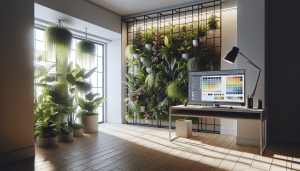
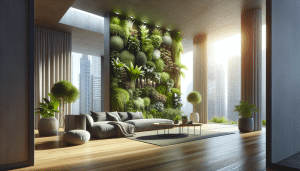
Urban dwellers often make creative use of vertical gardens, wall planters, and hanging baskets to maximize limited space. Using tiered shelving or growing vines upward along a window helps turn even cramped apartments into leafy sanctuaries. Many greenery enthusiasts enjoy experimenting with groupings and contrasting foliage types to enhance their interiors and reflect their personal style. The possibilities are endless—and completely customizable for your unique needs and taste.
Secrets to Keeping Houseplants Thriving
Caring for indoor plants rarely requires expert skills, but understanding the basics is essential. Most common houseplants prefer soil that is moist but not soggy. Overwatering is a frequent mistake and can lead to root rot—a risk easily avoided by letting the top inch of soil dry out before watering again. Drainage holes in pots and well-aerated soil mixtures make plant care much easier.
Lighting is another critical consideration. While some plants are shade-tolerant, most thrive with indirect, bright light. South- or east-facing windows provide ideal growing zones for many popular species. Supplemental grow lights can help those in darker homes, providing the spectrum needed for healthy leaf growth. Regularly rotating your pots ensures that all sides of the plant receive sunlight, promoting balanced development (Source: https://extension.psu.edu/houseplants-101-a-beginners-guide).
Nutrition matters, too. Introduce a gentle liquid houseplant fertilizer every few weeks during active growth seasons, typically spring through early autumn. Avoid fertilizing in winter, when most plants are dormant. Occasionally wiping leaves with a damp cloth keeps them dust-free and maximizes their ability to absorb sunlight. Observing your plants regularly helps spot any issues early, such as pests, leaf discoloration, or fungus, making preventive care simple and effective.
Creative Ideas For Using Plants in Home Decor
Indoor plants offer endless opportunities to enhance home decor. Statement plants like fiddle leaf figs or tall indoor palms create a striking focal point in living rooms. Smaller potted plants, such as fittonias and succulents, accent shelves and windowsills with splashes of green. Placing trailing ivy or cascading ferns atop bookcases adds instant movement and visual interest to any room.
Kitchens and bathrooms are prime spots for humidity-loving varieties. Grouping several small plants into clusters looks lush and organized, while hanging planters save space and introduce organic lines overhead. For minimalist rooms, a monochromatic selection of white pots can provide a clean, modern feel, while a mix of retro, colorful containers injects playful personality (Source: https://hgic.clemson.edu/factsheet/houseplants-decorating-with-indoor-plants/).
Terrariums let you showcase miniature landscapes in glass vessels—perfect for desks, coffee tables, or nightstands. Experimenting with plant stands, hanging macramé holders, and geometric wall planters opens up new avenues for styling. For those who crave change, rotating pots between different rooms or swapping out varieties seasonally keeps your plant display feeling fresh and dynamic all year around.
Natural Air Cleaning and Mental Health Benefits
The well-being boost from indoor plants goes beyond aesthetics. According to the American Psychological Association, contact with nature—even in the form of houseplants—supports improved concentration, reduced stress, and steadier emotional health (Source: https://www.apa.org/monitor/2019/04/nurtured-nature). Breathing easier comes naturally when you choose plants like English ivy, spider plant, or Boston fern, all known for their air-purifying qualities.
Smart placement can also create calming zones throughout your home. Adding greenery to workspaces, bedrooms, or reading niches can offer a respite from screens and digital distractions. Many report feeling more energetic and relaxed when surrounded by green, living things. These subtle mood shifts accumulate over time, contributing to overall well-being.
Some indoor gardeners build mindfulness rituals around daily plant care. Watering, trimming, or simply observing plant growth serves as a grounding activity in busy lives. Over months or years, tending a personal indoor oasis can promote patience, satisfaction, and a deeper appreciation for natural cycles—elements increasingly rare in our fast-paced, modern world.
Solving Common Plant Care Challenges
Even experienced plant owners encounter occasional issues. Drooping leaves may indicate too little light or overwatering, while yellowing tips sometimes signal excess fertilizer or water. Regularly checking soil moisture and examining foliage helps spot emerging problems before they become severe—an easy practice for keeping your indoor jungle healthy.
Pest outbreaks, such as spider mites or gnats, can surprise even the most attentive indoor gardener. Quarantine new plants before introducing them to your collection and inspect regularly for signs of insect activity. Sticky leaves, webbing, or distorted growth may warrant closer attention. Targeted solutions, such as neem oil or gentle soap sprays, are typically sufficient (Source: https://extension.umn.edu/houseplants/houseplant-insect-control).
Understanding plant signals leads to long-term success. Wilting often reflects environmental changes, such as drafty areas in winter or sudden increases in light. Adapting your watering, feeding, or placement in response to seasonal changes can revive struggling plants. Joining local plant groups or communities online provides plenty of advice from fellow enthusiasts, helping troubleshoot problems and celebrate green victories alike.
References
1. Wolverton, B. C., Johnson, A., & Bounds, K. (1989). Interior landscape plants for indoor air pollution abatement. NASA. Retrieved from https://ntrs.nasa.gov/citations/19930073077
2. American Society for the Prevention of Cruelty to Animals (ASPCA). (n.d.). Toxic and Non-Toxic Plants. Retrieved from https://www.aspca.org/pet-care/animal-poison-control/toxic-and-non-toxic-plants
3. Penn State Extension. (n.d.). Houseplants 101: A Beginner’s Guide. Retrieved from https://extension.psu.edu/houseplants-101-a-beginners-guide
4. Clemson University Cooperative Extension. (n.d.). Houseplants: Decorating with Indoor Plants. Retrieved from https://hgic.clemson.edu/factsheet/houseplants-decorating-with-indoor-plants/
5. American Psychological Association. (2019). Nurtured by nature. Retrieved from https://www.apa.org/monitor/2019/04/nurtured-nature
6. University of Minnesota Extension. (n.d.). Houseplant insect control. Retrieved from https://extension.umn.edu/houseplants/houseplant-insect-control

 Why Traveling Solo May Change the Way You See the World