Innovations in Sustainable Urban Architecture
Henry Caldwell September 25, 2025
Urbanization has rapidly increased, with millions moving to cities for better opportunities in recent years. This has led to rapid growth in housing demands, putting immense pressure on urban spaces. However, this expansion also comes with significant challenges, such as resource depletion, pollution, and climate change. Fortunately, sustainable urban architecture has emerged as a solution, focusing on environmentally-friendly and energy-efficient housing.
This shift towards sustainable housing isn’t just a passing trend; it’s an urgent need. This article explores innovative approaches to sustainable urban housing, focusing on technologies, designs, and strategies to reduce carbon footprints.
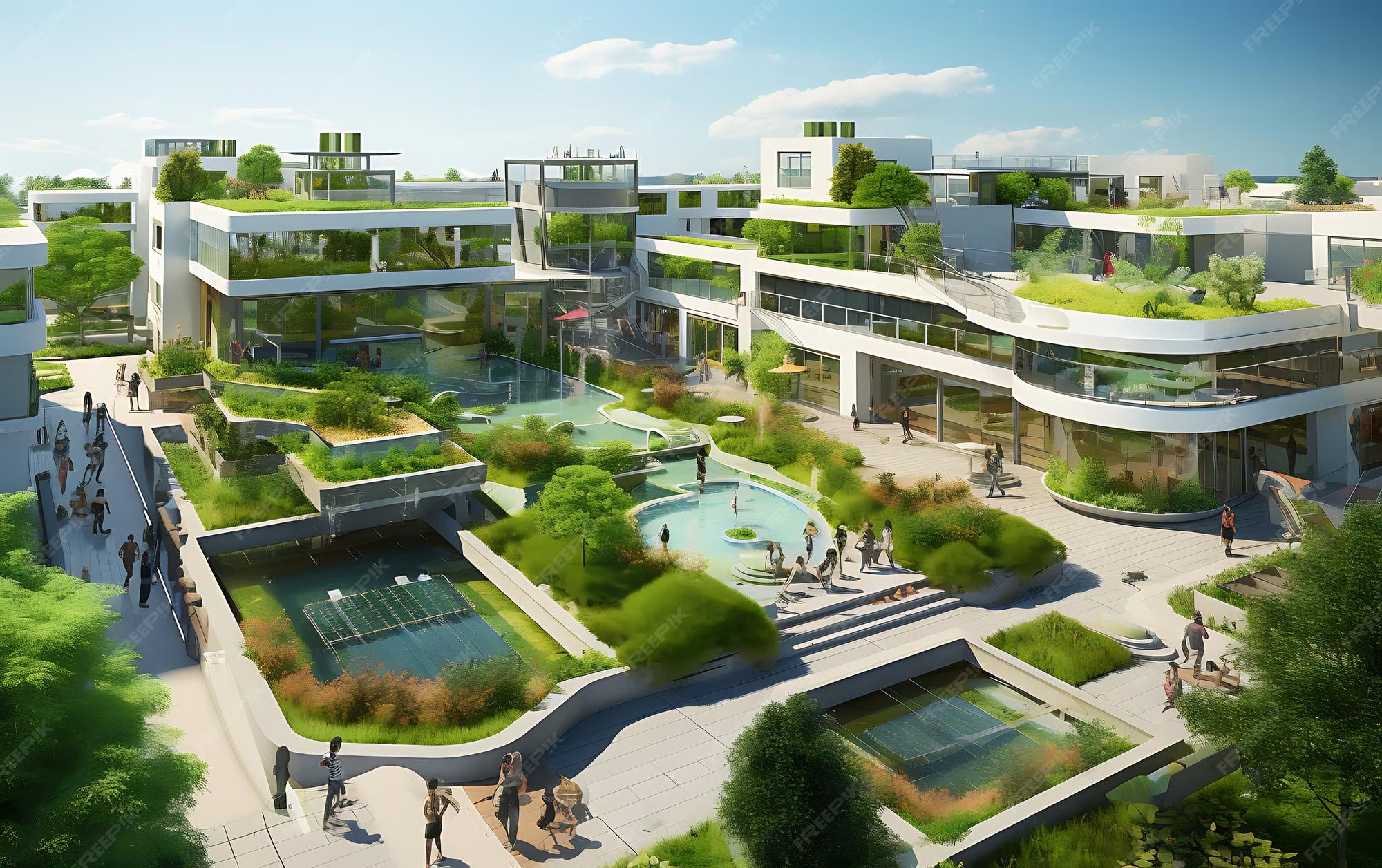
1. Green Building Materials: The Key to Sustainable Housing
Urban housing is becoming more sustainable by using green building materials, significantly reducing environmental impact and enhancing efficiency. These materials not only reduce the environmental impact of construction but also enhance the longevity and health of buildings. Urban housing currently uses some of the most popular sustainable materials, including:
- Recycled Steel and Aluminum: These metals are durable and can be reused indefinitely without losing quality, making them ideal for reducing waste and promoting circular economies.
- Bamboo: A rapidly renewable resource, bamboo is used for flooring, paneling, and even structural elements in buildings.
- Hempcrete: This biocomposite material is made from hemp and lime, offering excellent insulation properties while being carbon negative.
- Recycled Wood: Salvaged wood from deconstructed buildings can be repurposed, reducing the demand for new timber and preventing wood waste from ending up in landfills.
These materials reduce environmental impact, save energy, lower heating and cooling costs, and improve indoor air quality.
2. Energy-Efficient Housing Designs
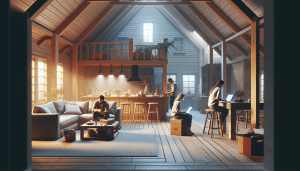
Energy efficiency is at the core of sustainable urban housing. Designing energy-efficient homes reduces carbon footprints and dependence on non-renewable energy sources. Innovative designs focus on incorporating passive heating, cooling systems, and smart energy management.
- Passive Solar Design: Buildings are designed to maximize natural sunlight for heating during the colder months while providing shading in the summer to reduce cooling needs. This approach significantly reduces energy consumption, especially in homes located in colder climates.
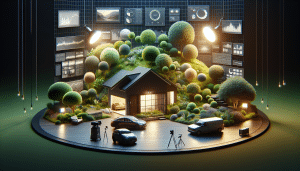
- Green Roofs and Walls: Green roofs and living walls are more than just aesthetic; they play an important role in energy conservation. They help regulate indoor temperatures, reduce stormwater runoff, and promote biodiversity in urban areas.
- Energy-Efficient Windows and Insulation: Double-glazed windows and high-quality insulation materials ensure that homes stay warm in winter and cool in summer, reducing the need for artificial heating and cooling systems.
These designs improve comfort, reduce energy bills, and contribute to combating climate change.
3. Smart Technologies for Sustainable Urban Housing
Technology is also revolutionizing sustainable housing. From smart meters to fully automated homes, technology enables homeowners to monitor and optimize their energy use more effectively. Here are a few examples of smart technologies making waves in sustainable housing:
- Smart Thermostats: Devices like the Nest thermostat allow homeowners to control their heating and cooling systems remotely, ensuring that energy is only used when necessary.
- Energy Monitoring Systems: These systems track real-time energy consumption, providing data that can help residents adjust their habits to conserve energy.
- Solar Power and Batteries: Solar panels are becoming a common feature in urban homes. Paired with energy storage systems, solar panels help homes become energy-independent by storing excess energy generated during the day for use at night.
By integrating these smart technologies, urban homes can significantly reduce their overall energy consumption, contributing to both environmental sustainability and cost savings.
4. Urban Farming and Vertical Gardens
With the world’s population projected to reach 9 billion by 2050, there’s a growing need to rethink how we produce food in urban environments. Urban farming, particularly vertical gardens, is emerging as an innovative solution for growing food in sustainable urban housing. Vertical gardens allow urban residents to grow their own food on building walls or rooftops, reducing the need for transportation of goods and decreasing the carbon footprint associated with food production.
- Hydroponics and Aquaponics: These soil-free growing methods are used in urban farms to grow vegetables, fruits, and herbs indoors. They require less water than traditional farming and can be implemented in spaces as small as apartment balconies.
- Greenhouses and Roof Gardens: In many cities, apartment buildings are transforming their rooftops into community gardens, where residents can cultivate their own organic produce, contributing to food security and reducing the need for food imports.
These green urban spaces not only help lower food-related carbon emissions but also promote healthier, more self-sufficient communities.
5. Affordable and Modular Sustainable Housing
Sustainability doesn’t always have to come with a hefty price tag. As urban populations increase, affordable housing becomes a critical issue. Modular and prefab homes are revolutionizing housing by providing affordable, energy-efficient, and sustainable solutions that builders can construct quickly with less environmental impact.
- Prefab Homes: These homes are built off-site in controlled factory conditions, reducing waste and allowing for quicker construction timelines. When paired with sustainable materials and energy-efficient designs, prefab homes offer a scalable solution to housing shortages.
- Modular Housing: This approach involves creating smaller, modular units that can be easily added to or reconfigured as needed. It allows for more flexibility in housing designs while reducing construction costs and waste.
Modular and prefab homes have the potential to drastically lower the cost of housing, making sustainable living accessible to a wider range of people.
6. Green Urban Planning: The Future of Sustainable Housing
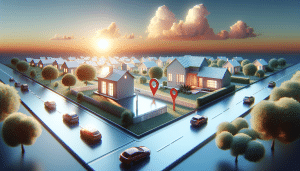
Sustainable housing isn’t just about individual buildings; it’s about how these buildings interact with the broader urban environment. Green urban planning focuses on creating cities that are not only livable but also environmentally responsible. Some key trends in green urban planning include:
- Mixed-Use Developments: Combining residential, commercial, and recreational spaces in the same development reduces the need for long commutes, thereby lowering carbon emissions and reducing traffic congestion.
- Public Transit Integration: Sustainable cities prioritize public transit, encouraging people to use buses, trains, and bikes instead of cars, reducing the overall carbon footprint of urban areas.
- Water Conservation: Urban planners are focusing on rainwater harvesting systems and sustainable water management practices to ensure that cities can withstand the effects of climate change and water scarcity.
By embracing green urban planning, cities can create an environment that supports sustainable housing and improves the quality of life for all residents.
Conclusion
Sustainability is shaping the future of urban housing, and the innovations discussed above are just the beginning. With energy-efficient designs, smart technologies, and sustainable building materials, cities can transform into greener, more livable spaces that offer affordable housing while tackling the challenges of climate change. As urbanization continues to rise, it’s essential that sustainable urban architecture be at the forefront of housing development, ensuring a future where cities thrive without compromising the planet.
References
- Jones, P., & Kammen, D. M. (2019). Integrating renewable energy technologies in sustainable urban housing. Available at: https://www.sciencedirect.com (Accessed: 25 September 2025)
- U.S. Green Building Council. (2021). Sustainable urban housing solutions for the 21st century. Available at: https://www.usgbc.org (Accessed: 25 September 2025)
- World Green Building Council. (2020). The importance of sustainable housing in reducing carbon footprints. Available at: https://www.worldgbc.org (Accessed: 25 September 2025)

 Smart Ways You Could Grow Wealth Using Compound Interest