Surprising Ways Indoor Plants Change Your Space
Henry Caldwell September 27, 2025
Curious about how indoor plants can upgrade your home environment? Discover the science, benefits, design secrets, and easy-care options—all while understanding the real impact of houseplants on air quality, mood, and more.
Why Indoor Plants Matter for Modern Homes
Bringing indoor plants into your living space is more than an aesthetic choice; it’s a proven way to enhance well-being and elevate daily comfort. Researchers have found that even a small houseplant can improve air quality and contribute to reduced stress levels (Source: EPA). A house full of greenery can foster relaxation after busy days and offer a unique touch to home décor. These natural additions thrive by converting carbon dioxide to oxygen, which supports a fresher indoor climate—something many crave in contained apartments or suburban homes.
Health professionals suggest that home environments rich with plant life may lead to enhanced productivity and increased emotional stability. This is because the presence of green plants visually soothes, signaling comfort to the brain while also acting as a buffer against daily stressors. The placement of potted ferns, hanging spider plants, or broad-leafed pothos near well-used seating can transform a room’s atmosphere and subtly encourage relaxation. It’s a low-effort upgrade with real, measurable impact on quality of life, especially for those spending extended time indoors (Source: NCBI).
Beyond the obvious aesthetic appeal, indoor plants may even help reduce minor illnesses linked to air dryness or lack of fresh circulation. Adding moisture-loving plants like peace lilies or Boston ferns can slightly raise indoor humidity and potentially ease dry skin, irritated eyes, and some respiratory discomfort. While not a cure, this boost can play a helpful supporting role in maintaining overall comfort and well-being at home, which is particularly relevant during colder months or in climates with harsh central heating (Source: Penn State Extension).
How Indoor Plants Affect Air Quality and Mood
It surprises many to learn that indoor plants are natural air filters. Plants like snake plant (Sansevieria) and philodendrons are notable not just for their looks but for their ability to absorb certain airborne toxins such as formaldehyde, benzene, and trichloroethylene. While their impact varies with plant size, species, and number, scientific studies have shown measurable — though modest — improvements in air purity (Source: NASA). Plants release oxygen during the day and even some at night, making them good companions for bedrooms or offices.
Mood enhancement is a distinct yet less quantifiable benefit of keeping plants. Exposure to greenery is linked to reductions in feelings of anxiety and fatigue. Even just a few minutes spent watering, pruning, or admiring leaves can interrupt stressful thought cycles and support a sense of calm. For remote workers or those in high-stress jobs, this micro-break interaction with nature can spark creativity, lift mood, and sustain energy throughout the day. Some therapists even recommend caring for plants as a gentle mindfulness practice.
Plants’ role in air quality mainly involves absorbing volatile organic compounds (VOCs) and sequestering dust. While they don’t replace the need for good ventilation, strategically grouping several large-leafed plants can meaningfully reduce airborne particles near work desks or sleeping areas. Ficus, rubber plant, and ZZ plant are dependable choices for this. In sum, an investment in houseplants brings more than just beauty: it supports a holistic approach to making living spaces healthier and more welcoming.
Easy-Care Options for Beginners
Not everyone has a green thumb, but that shouldn’t stop someone from experiencing the joy of indoor gardening. Popular low-maintenance plants include pothos, peace lilies, snake plants, and philodendrons. These varieties thrive on minimal attention, needing only basic indirect light and occasional watering to flourish. Many busy professionals appreciate succulents for their drought tolerance and unique shapes, adding both texture and interest to tabletops or windowsills with little effort (Source: University of Wisconsin Extension).
Choosing the right plant starts with understanding the natural lighting in your home. North-facing windows offer gentle light, ideal for species like pothos and heart-leaf philodendrons. Bright, sunny windows are better matched to robust plants like jade or aloe vera. In darker rooms, ZZ plant or cast iron plant can still manage without direct sunlight. The key is matching plant requirements to the environment so that care routines remain sustainable and enjoyable for the long term.
Self-watering containers and soil moisture meters are increasingly popular among first-time plant owners. These tools reduce common mistakes like overwatering or underwatering, making it easier to establish a regular maintenance habit. Additionally, grouping plants with similar care needs together simplifies routines, creating miniature indoor jungles with ease. Beginners quickly notice that mastering just a few plant varieties opens up a world of possibilities—each step boosting confidence and inviting a growing sense of accomplishment.
Creative Design Ideas Using Houseplants
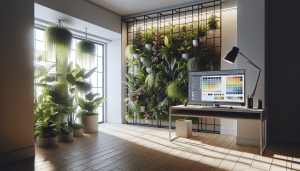
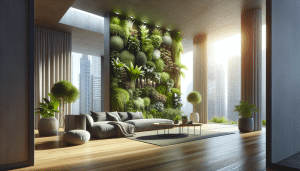
The use of indoor plants as living décor is both a practical and creative endeavor. Vertical gardens built with wall-mounted planters or hanging pots let plant lovers maximize greenery in tight urban spaces. Arranging a mixture of leaf sizes, shapes, and colors creates interesting focal points and encourages exploring different design concepts. Bookshelves, floating ledges, and even bathroom ledges become living galleries, each display adding depth and softness to a home’s styling.
Pairing plants with attractive pots or baskets enhances interior design while allowing for easy rearrangement. Contemporary designers are now using tall floor-standing plants as living dividers in open-plan apartments, providing privacy alongside a touch of nature. Mixing trailing vines with upright cacti or combining moisture-loving ferns with hardy flowers leads to dynamic, personalized plant corners. These combinations can be changed seasonally to refresh the look—matching plant arrangements to evolving décor or seasonal color palettes.
Plants also make excellent companions for other hobbies. Indoor herb gardens near kitchen windows bring both culinary inspiration and a sense of abundance. Tabletop bonsai or air plants placed among collectibles or family photos add a living, evolving element to personal displays. As an added bonus, using plants in home offices, meditation nooks, or bedrooms helps cultivate restful environments that subtly support focus and overall well-being.
Addressing Common Questions and Misconceptions
One frequent question concerns pets and plant safety. While many indoor plants are pet-friendly, some—like pothos and philodendron—can cause digestive upset if ingested by cats or dogs. Always check reliable lists before adding new varieties to a home shared with animals (Source: ASPCA). If allergies are a concern, most common houseplants do not produce airborne pollen at noticeable levels, making them a safe choice for sensitive households.
Another common concern is pest control. Tiny soil gnats or spider mites can sometimes appear when indoor plants are overwatered or grouped too closely. Adjusting watering habits and isolating new plants upon arrival are reliable prevention steps. Occasional use of neem oil or insecticidal soap—when recommended by horticulturists—can keep outbreaks in check without exposing pets or families to harsh chemicals (Source: Clemson University Extension).
Lastly, the belief that houseplants require daily attention is not entirely accurate. Most varieties thrive with weekly care sessions, making them approachable for busy schedules. Remember: a thriving indoor jungle is built through consistency, not complicated routines. With some patience, anyone can enjoy the lasting advantages of having plants at home—without extra stress or daily chores.
Long-Term Benefits of Living with Indoor Plants
Research continues to explore the enduring advantages of filling homes with greenery. Over time, plant-rich environments are associated with improved air quality, subtle increases in indoor humidity, and a steady reduction in perceived stress. Even those with modest space can experience a sense of pride and ongoing satisfaction as their plants thrive and grow. The satisfaction comes from nurturing something alive—and watching it change through the year.
For families and young children, indoor plants offer opportunities for hands-on learning. Kids can develop responsibility by helping with watering routines, tracking growth, and observing seasonal changes. This encourages a lifelong appreciation for nature and supports discussions about plant science, biology, and sustainability. Educational programs often highlight these interactions as both enjoyable and beneficial for child development (Source: Children’s Garden Network).
Finally, indoor plants foster community—neighborhood plant swaps and gardening clubs give hobbyists a way to connect and share tips. As houseplants multiply, many choose to share cuttings or swap unique varieties, deepening relationships and spreading the many benefits of living with plants. Beyond their lush leaves and fresh color, indoor plants quietly nurture stronger, healthier homes in lasting, often surprising ways.
References
1. U.S. Environmental Protection Agency. (n.d.). Indoor Air Facts No. 4: Indoor Air Pollution and Plants. Retrieved from https://www.epa.gov/indoor-air-quality-iaq/indoor-air-facts-no-4-indoor-air-pollution-plants
2. Raanaas, R. K., Patil, G. G., & Hartig, T. (2010). Effects of indoor foliage plants on health and discomfort symptoms among office workers. Retrieved from https://www.ncbi.nlm.nih.gov/pmc/articles/PMC4419447/
3. Penn State Extension. (n.d.). Indoor Plants and Your Health. Retrieved from https://extension.psu.edu/indoor-plants-and-your-health
4. National Aeronautics and Space Administration. (n.d.). NASA Clean Air Study. Retrieved from https://www.nasa.gov/features/earth/plant-air-filter
5. University of Wisconsin Extension. (n.d.). Growing Houseplants. Retrieved from https://hort.extension.wisc.edu/articles/growing-houseplants/
6. ASPCA. (n.d.). Toxic and Non-Toxic Plants. Retrieved from https://www.aspca.org/pet-care/animal-poison-control/toxic-and-non-toxic-plants

 You and the Rise of Reliable News Sources Online