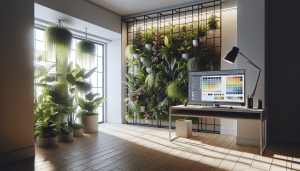
Secrets You Wish You Knew About Vertical Gardening
Henry Caldwell September 27, 2025
Explore the hidden benefits and practical tricks of vertical gardening for any home or garden enthusiast. This guide uncovers how you can transform small spaces, save water, and create lush plant walls using vertical gardening methods.
Understanding Vertical Gardening at Home
Vertical gardening has surged in popularity, turning ordinary walls and fences into flourishing green displays. This approach to home gardening is especially appealing to those short on outdoor space, as it utilizes vertical surfaces to grow flowers, herbs, and even vegetables. The concept supports the trend of urban gardening, making it accessible for individuals living in apartments or homes with limited yard area. By learning about vertical gardening techniques, many are surprised at how versatile and rewarding this method can be for improving home aesthetics and boosting air quality indoors.
Choosing the right spot matters. Look for spaces with good sunlight, whether outdoors on fences or indoors near bright windows. The structure you select should be stable and able to support the weight of both plants and their growing medium. Options include trellises, wall planters, shelving, or even upcycled pallets. Adapting the design for your unique home ensures optimal plant health and visual impact. This adaptability encourages creativity and personalization, which is partly why vertical gardening remains so appealing among creative homeowners.
One important concern for newcomers is irrigation. Vertical gardens tend to dry out faster than traditional beds. Automated drip systems, mulching, and self-watering vessels can make maintenance much easier. These systems help maintain consistent moisture levels and reduce water waste. In addition to saving space, vertical gardening is known to reduce pest exposure and soil-borne diseases. This means a healthier, lower-maintenance indoor or outdoor garden and an improved living environment for all.
Space-Saving Hacks That Make a Big Difference
One of the core advantages of vertical gardening is its ability to maximize space. Using the vertical dimension, gardeners can produce a significant yield without encroaching on valuable floor area. Techniques such as stacking pots, using tiered shelves, or installing modular wall planters allow for a high density of plants. You might spot a once-empty balcony or hallway transformed into a productive, beautiful green space. Space-saving isn’t just practical—it’s surprisingly transformative, making vertical gardening a favorite among those with creative interior design goals.
To ensure success, select compact plants and varieties that naturally thrive in containers. Leafy greens, strawberries, succulents, and herbs are particularly well-suited for confined spaces. Placement is key; position taller or trailing plants higher and reserve lower spots for bushier species. This smart arrangement ensures all plants receive enough light and airflow, further supporting their healthy growth. When planning a vertical garden, try creating a living wall that doubles as a privacy screen or decorative accent in your home.
Maintenance doesn’t have to be overwhelming. Self-watering planters and integrated irrigation systems can be incorporated in clever ways, allowing even busy householders to enjoy lush greenery without constant work. With some planning, vertical gardens can be adapted to almost any type of dwelling—apartment balconies, kitchen backsplashes, or sunny hallway nooks. The flexibility and versatility that vertical gardening provides make it easy for anyone to experiment and find joy in home gardening, regardless of available space.
Choosing Plants That Thrive Vertically
Plant selection is crucial in vertical gardening. Not all plants perform equally well when grown off the ground. Compact, shallow-rooted varieties, trailing vines, and epiphytes (air plants) typically flourish in these settings. Herbs like basil, mint, and thyme, as well as small annual flowers and succulents, are common choices. Some gardeners enjoy mixing edible plants with decorative foliage to enhance home value and utility. The right plant choices can turn a simple wall into a vibrant tapestry of color and texture.
For those interested in food production, options abound. Strawberries, salad greens, spinach, and certain cherry tomato cultivars can all excel vertically. These crops are not only space-saving but also often more accessible for watering and harvesting. Many vertical gardeners even integrate pollinator-friendly plants, like nasturtiums or marigolds, to attract beneficial insects to nearby crops. This approach makes vertical gardening a practical and sustainable option for growing fresh produce at home.
The success of a vertical garden hinges on the local environment and climate. Conduct research or consult extension offices to identify which plants grow best in specific locations. Light levels, humidity, and temperature all influence plant health. Matching plant needs with available conditions ensures lush growth and reduces the risk of plant stress or disease. This thoughtful approach saves time, conserves resources, and helps gardeners enjoy bountiful vertical displays year-round.
Watering and Maintenance Made Easy
Watering can be daunting for beginners in vertical gardening, as gravity causes rapid drainage and potential dry spots. To combat this, using drip irrigation or capillary matting delivers moisture exactly where it’s needed. Mulch or water-retentive soils further help maintain consistent moisture. Consider slow-release fertilizers or compost tea for steady nourishment, especially in vertical vegetable setups. With simple adjustments, many find vertical gardening less resource-intensive than expected.
Routine inspection is key. Check for dry areas, signs of wilting, or pest problems often. Prune overgrown stems and deadhead flowers to keep vertical gardens looking their best. Savvy gardeners rotate plants by swapping containers or shifting wall modules to allow different plants to enjoy peak sunlight as seasons change. These habits promote balanced growth and reduce maintenance over time. Maintenance-friendly systems help even novice gardeners achieve lovely displays, year after year.
Innovations in self-watering systems and mobile planters simplify chores for those with busy lifestyles. Automated setups minimize risk of missed waterings, benefiting both indoor and outdoor gardens. Many modern vertical planters are designed for ease of cleaning and replanting, adding convenience and longevity to the gardening hobby. Embracing these advances ensures that gardening remains enjoyable and sustainable, no matter how hectic daily life may be.
The Environmental and Health Perks of Vertical Gardening
Vertical gardening is more than a stylish trend—it’s an environmentally friendly choice. Green walls act as natural insulators, regulating indoor temperatures and lowering household energy needs. Dense plantings trap airborne dust and pollutants. Incorporating air-purifying species further improves indoor air quality. Those who adopt vertical gardening often notice an immediate difference in the freshness and comfort of their living environment. In cities, green walls help counteract the heat island effect and contribute to overall biodiversity.
Plants have a positive psychological impact. Studies show that even modest exposure to greenery improves mood, productivity, and overall well-being. Creating a plant-filled living wall brings these scientifically backed benefits home. Indoor air can contain various toxins from aftershave, paint, or cleaning agents. Adding vertical greenery can help filter these out, offering a simple way to enhance health and happiness, especially in urban dwellings.
Vertical gardens support local ecosystems and encourage sustainable habits. By attracting pollinators and reducing pesticide use, they help promote a healthy balance in residential spaces. Composting and reusing materials in garden design further limit environmental impact. Many homeowners find that vertical gardening also spurs broader eco-friendly behaviors, such as recycling and water conservation. Together, these benefits make vertical gardening a forward-thinking choice for any home.
Design Ideas and Creative Inspiration
The design possibilities in vertical gardening are almost limitless. Try creating a color-themed plant wall or using repurposed items like mason jars, rain gutters, or shoe organizers as unique planters. Experiment with patterns and shapes to fit your home’s style. Some households opt for living herb charts in kitchens or add flowering vines as natural room dividers. The freedom to personalize encourages ongoing engagement and pride in your gardening project.
Lighting design is another creative element. Hanging string lights amid plants or installing solar-powered uplights brings evening drama and interest to your garden wall. Think about seasonal displays too—mix hardy evergreens and winter-interest plants for year-round impact. For apartment residents, small-scale designs like succulent frames or micro-green towers offer big results in minimal space, often doubling as functional and beautiful décor.
Gather inspiration from public green walls, local community gardens, or online gardening galleries. Many people find value in joining gardening groups or following vertical garden influencers for ideas and troubleshooting support. Learning and sharing with others expands skillsets and builds a connected gardening community. With each new project, you develop both expertise and a deeper appreciation for sustainable, beautiful living spaces.
References
1. The United States Department of Agriculture. (n.d.). Urban Agriculture and Vertical Farming. Retrieved from https://www.usda.gov/topics/urban
2. The Royal Horticultural Society. (n.d.). Vertical gardening. Retrieved from https://www.rhs.org.uk/advice/profile?PID=110
3. Environmental Protection Agency. (n.d.). Green Infrastructure: Green Roofs. Retrieved from https://www.epa.gov/green-infrastructure/green-roofs
4. The Spruce. (n.d.). How to Start a Vertical Garden. Retrieved from https://www.thespruce.com/how-to-start-a-vertical-garden-5117078
5. University of Florida IFAS Extension. (n.d.). Vertical Gardening: The Basics. Retrieved from https://gardeningsolutions.ifas.ufl.edu/care/tools-and-equipment/vertical-gardening.html
6. NASA Clean Air Study. (n.d.). Interior Landscape Plants for Indoor Air Pollution Abatement. Retrieved from https://ntrs.nasa.gov/citations/19930073077

 Smart Living Room Upgrades You Haven’t Considered Yet