Secrets You Might Miss About Indoor Plant Happiness
Henry Caldwell October 14, 2025
Discover how transforming your home with indoor plants can boost well-being, purify air, and elevate modern interior design. This deep dive uncovers easy plant care techniques, health benefits, and creative ideas to make your living space more lively and fresh.
Why Indoor Plants Matter More Than You Think
Indoor plants aren’t just decorative accessories. They act as living mood enhancers, bringing freshness and subtle energy to any room. Many plant enthusiasts notice their space feels cozier and more vibrant after introducing popular varieties like snake plants, pothos, and peace lilies. These indoor companions change the atmosphere with minimal effort, proving that caring for your home is more than surface-level aesthetics. Interest in indoor greenery has soared, driven by a search for natural, affordable ways to improve daily living.
Scientific studies show that greenery supports well-being in multiple ways. Touching leaves or smelling fresh soil is said to reduce perceived stress. Breathing becomes easier due to the air-purifying properties of many houseplants, such as spider plants and philodendrons. This isn’t just an old wives’ tale—multiple research projects have confirmed that living greenery can reduce airborne toxins, potentially leaving the air fresher and easier to breathe. Indoor gardening is therefore seen as a practical investment in health and living quality.
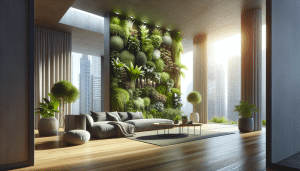
The influence of indoor plants extends beyond physical spaces. Many designers note the shift toward biophilic design—a decorating philosophy that brings the outdoors inside to create harmony. Whether placed in a sunny window, clustered in a reading nook, or hung from the ceiling, plants often become a room’s highlight. They bridge the gap between architecture and nature, providing texture, movement, and calming color. Exploring this relationship helps homeowners build unique, relaxing environments tailored to personal taste.
Zero-Stress Plant Care Tips Anyone Can Use
Caring for plants isn’t reserved for gardening experts. Beginners can start with forgiving species like pothos or ZZ plants, which adapt to varying light and watering routines. These resilient choices thrive even in homes with unpredictable sunlight—perfect for busy urban dwellers or anyone trying gardening for the first time. It’s important to observe subtle changes in foliage; wilting or yellowing often signals a need for less water or a shift in pot placement. Learning basic care unlocks a world of green possibilities for any home.
Create a simple watering schedule based on plant type rather than using a fixed calendar. Some plants, such as succulents, need infrequent drinks, while ferns enjoy a more humid environment. Checking soil moisture by touch is a trusted technique among plant lovers—just press a finger gently into the potting mix to feel for dampness. Adapting routines allows your plant collection to thrive across seasons, minimizing frustration and keeping maintenance stress-free. Adding pebbles to trays or using self-watering pots can also simplify the process for frequent travelers.
Light is another crucial component. Not all houseplants want direct sun; in fact, many indoor favorites prefer filtered or indirect rays. Monitor the location by noticing leaf color and growth patterns—pale leaves might indicate too much sunlight, while spindly stems can mean not enough. Rearranging plant positions every few months brings fresh energy to interiors and helps each specimen receive optimal conditions. Using plant care apps or reminders can assist with the learning curve, reinforcing healthy habits for novice indoor gardeners.
Hidden Health Benefits of Indoor Greenery
Plants don’t just add beauty—they pull double duty supporting your well-being. Some species absorb toxins like formaldehyde and benzene, which are common in urban indoor air. Spider plants, Boston ferns, and bamboo palms are on this list, making them excellent choices for allergy-prone individuals. Clean air helps create a space that’s both inviting and safer, especially as time spent indoors increases for remote work or relaxation. These plant-powered improvements are cited in scientific publications across ecology and environmental health research.
The impact of green surroundings reaches deeper into emotional health. People often report feeling calmer and more at ease in spaces filled with healthy foliage. Plants have been linked to better concentration and lower anxiety, a connection validated by universities and health institutes worldwide. Seeing new leaves unfurl or blooms appear can create moments of quiet joy. This connection between well-being and greenery helps explain why indoor gardening has become an essential hobby for people of all lifestyles.
Some studies even indicate that the act of caring for plants builds mindfulness and patience. As one observes slow growth cycles and responds thoughtfully to plant needs, life’s own rhythms often feel less hurried. Nurturing greenery inspires a deeper appreciation for nature’s pace. Many mental health resources now suggest indoor gardening as a supplemental practice for stress relief, further demonstrating the holistic impact of bringing the outdoors in.
Design Ideas to Transform Any Room With Houseplants
There is no single rule for styling interiors with plants. Some people gravitate toward curated collections arranged along shelves, while others love the look of dramatic statement plants set in oversized pots. Hanging baskets provide elevation and dimension, making compact rooms feel spacious. Consider creating a dedicated green corner in your living or dining space, using a mix of heights and leaf textures. Mixing trailing vines with upright trees adds dynamic interest without crowding the area.
Bathrooms and kitchens make surprisingly effective indoor gardens. High humidity suits ferns and calatheas, bringing a touch of luxury to daily routines. Window sills are perfect for sun-loving succulents or culinary herbs, which give fragrance and function in a small footprint. Creative containers—such as vintage mugs, mason jars, or repurposed ceramics—add personality and warmth. By layering natural materials like wood or stone with green accents, even minimalist spaces gain a sense of life and vibrancy.
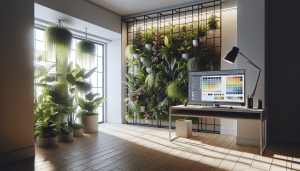
Multipurpose plant displays, such as vertical gardens or partition walls with built-in planters, help maximize limited floor space. These features not only divide rooms but also cleanse air and dampen sound. Workshop tables, home offices, and children’s rooms can all benefit from simple potted plants or microgreen trays. Experimenting with arrangements lets homeowners express creativity—there’s always a new combination to try and a fresh look to enjoy, regardless of design preferences or room size.
Plant Shopping and Budget-Savvy Green Choices
Smart plant shopping begins with research. Independent nurseries, online forums, and cooperative extensions provide insight into popular species that perform well indoors. Many affordable options thrive in beginner settings, so creating a lush display doesn’t require a splurge. Swapping cuttings with friends or buying starter-sized plants is an inexpensive method for growing a diverse collection. Responsible sourcing matters—look for local growers or suppliers who use eco-conscious practices, and avoid wild-harvested species that may be threatened in their natural habitats.
Potting soil choices impact both plant health and costs. Many enthusiasts make their own mixes using compost, perlite, and basic potting blend, which stretches budgets and supports sustainability. Reusing containers or upcycling household items for planters reduces waste while maximizing design potential. Check local gardening groups for plant swaps, where exchanging cuttings or divided plants is encouraged. Growing from seeds or nurturing shop-bought seedlings is also rewarding and offers a gentle learning curve for anyone new to indoor gardening.
Resources like Cooperative Extension sites, gardening nonprofits, and botanical gardens offer classes or virtual guides with no additional cost. These agencies share region-specific advice on pest issues, fertilization, and seasonal adjustments. Learning directly from expert sources helps avoid common pitfalls and boosts plant care confidence. Community engagement—whether online or local—keeps hobbyists updated while inspiring new projects and creative solutions for plant-related challenges.
Seasonal Adjustments for Thriving Indoor Gardens
Changing seasons affect indoor plant needs far more than many people realize. Shifts in sunlight, humidity, and temperature prompt plants to adapt, requiring attentive care. During winter, shorter days may slow growth and dampen overall vigor; supplementing natural light with LEDs or moving pots closer to windows often helps. Reducing watering is usually necessary as plants go semi-dormant, while misting leaves can counteract the dry air from home heating systems. Observing seasonal cues supports continued lushness throughout the year.
Spring and summer are periods of renewal for most houseplants. This is the optimal time to prune, repot, and fertilize, encouraging robust new growth. Fertilizers with balanced nutrients can be applied every 4-6 weeks, depending on plant type and age. Regular rotation ensures all sides receive sunlight, promoting even growth and preventing lopsided shapes. If pest problems arise—like aphids or fungal gnats—simple solutions such as sticky traps or neem oil treatments are often sufficient for control without harsh chemicals.
Monitoring indoor climate through the year is essential. Hygrometers and light meters help create a comfortable environment for both people and plants. Seasonal routines may become a mindful habit, bringing a deeper connection to the natural world through simple, daily care. By observing reactions to incremental shifts, plant owners develop expertise and empathy that translate into lush, enduring indoor gardens—beautiful in every season.
References
1. American Society for Horticultural Science. (n.d.). Houseplants improve emotional and physical health. Retrieved from https://ashs.org/page/Consumer_Houseplants
2. NASA. (n.d.). Interior landscape plants for indoor air pollution abatement. Retrieved from https://ntrs.nasa.gov/api/citations/19930073077/downloads/19930073077.pdf
3. University of Illinois Extension. (n.d.). Successful indoor gardening. Retrieved from https://extension.illinois.edu/indoorgardening
4. The Royal Horticultural Society. (n.d.). Houseplants: A beginner’s guide. Retrieved from https://www.rhs.org.uk/advice/profile?PID=338
5. Environmental Protection Agency. (n.d.). Indoor air quality and plants. Retrieved from https://www.epa.gov/indoor-air-quality-iaq/indoor-plants
6. National Gardening Association. (n.d.). Houseplant care basics. Retrieved from https://garden.org/learn/articles/view/2649/

 Discover Hidden Benefits of Organic Gardening at Home