Secrets to Thriving Indoor Plants Even in Low Light
Henry Caldwell September 28, 2025
Curious how to keep houseplants healthy in less-than-ideal lighting? Explore practical tips for choosing, caring for, and styling low light indoor plants, unlocking lush, green potential for every home. Experience the satisfaction of vibrant, thriving greenery—no matter how shady the corner.
Understanding the Needs of Low Light Indoor Plants
It’s easy to assume all plants demand sunlight, but many popular houseplants are well adapted to low light indoor environments. These species evolved under the canopy of dense forests, thriving in indirect or filtered sunlight. Knowing what low light means for plants is a crucial first step. Light levels inside homes vary dramatically. A space far from windows may be ideal for a snake plant but too dim for a flowering begonia. Understanding the unique adaptations of low light tolerant varieties helps you support them effectively. They slow their metabolic rate, grow broader or darker leaves, and develop resilience against fluctuating conditions. By recognizing what your plant really needs, you can avoid common mistakes associated with excess watering or nutrient deficiencies, prolonging their lush, vital appearance.
Lighting can be confusing. North-facing rooms, shaded corners, and windowless bathrooms might seem inhospitable for plant life, yet some species excel here. The key is selecting varieties adapted to these situations, such as pothos, Chinese evergreen, or the cast iron plant. Creating a thriving environment involves more than just lighting; humidity, airflow, and a proper watering routine all come into play. Many owners discover that less attention, not more, supports robust growth in shade-friendly houseplants. Overmanaging can cause root rot or foliage yellowing, particularly where the soil dries slowly without direct sun. Allow your plants’ natural resilience to guide your care tactics.
Identifying signs of poor adaptation early helps prevent long-term issues. If leaves pale or stems elongate, your indoor lighting may be too low even for shade-tolerant varieties. Conversely, brown tips may indicate overexposure or improper watering. Observing these signals gives insight into your plant’s health and allows for timely adjustments. Position sensors or use your mobile phone’s light meter app to estimate lumens in tricky corners. For confident growers, experimenting within these environments can be deeply rewarding, turning any room into a green retreat, no matter how limited the sunshine.
Choosing the Right Low Light Plants for Every Space
Selecting the appropriate indoor plants for low light is the backbone of long-term success. Certain varieties, like the peace lily or the hardy ZZ plant, have earned their reputation for resilience in limited sunlight. Their broad, waxy leaves soak up available ambient light efficiently while using stored resources from the soil. These species thrive under fluorescent bulbs or even in north-facing apartments, bringing fresh energy to rooms often overlooked for greenery. Considering your home’s unique microclimate will steer you towards the most compatible choices, ensuring lasting vibrance and minimal maintenance needs for your indoor oasis.
Low light plants don’t just survive—they can become striking design elements. Spider plants, dracaenas, and ferns each bring texture and volume, decorating mantels or shelves where sunlight is scarce. Many homeowners leverage them as functional dividers between living spaces, or to soften harsh corners. Arrangement options multiply when working with shade-tolerant varieties. Placing planters at various heights and mixing leaf colors provides visual interest even in dim locations. With experimentation, you’ll discover which combinations produce the most inviting, tranquil environments, all without constant sunlight streaming in.
Variety is key to keeping your indoor jungle engaging. Rotate plants occasionally—those that prefer subtle shifts in lighting benefit from new positions, while deeply shade-loving varieties continue undisturbed. Introducing compact options like nerve plants or English ivy can fill in gaps, turning dull shelves into miniature green landscapes. Seeking advice from horticultural centers or experienced plant parents further expands your selection. Everyone’s living space is different, but there’s always a plant that’ll fit the character and lighting of a particular nook. The journey is as rewarding as the lush results.
Essential Care Routines for Shady Spaces
Mastering a reliable care schedule is vital for low light plants. Traditional wisdom suggests frequent watering, but many low light species—such as cast iron plants—prefer the soil to dry out slightly between waterings. Check soil moisture with your finger or a moisture meter, responding only when required. These species store water in roots or leaves, giving them endurance during dry spells common in indoor environments. Overwatering is a leading cause of foliage decline, especially with reduced evaporation in shaded areas. Observing your plant before every intervention helps create a rhythm they thrive on.
Humidity often determines how vibrant plant foliage remains. Many shade dwellers originate from humid rainforests, so bathrooms or kitchens with regular moisture may suit them best. If rooms are dry, consider pebble trays or small humidifiers, especially during winter when heating reduces air moisture drastically. Misting is sometimes helpful but should not be overdone; stagnant dampness can encourage molds or pests. Smart placement, good airflow, and moderate humidity make up the winning trio for glossy, healthy leaves on all your low light favorites. Over time, even dry apartments can become lush jungles with these supportive conditions.
Fertilization completes the care cycle. Since growth is slower in low light, heavy feeding is unnecessary. Opt for gentle, diluted liquid fertilizers once every few months in the growing season, and skip them entirely during winter dormancy. Observing clean leaves is just as important—dust can block the minimal light reaching the leaf surface. A damp, soft cloth is perfect for cleaning broad leaves every few weeks. Inspections during these cleanings will reveal early signs of pests like spider mites or fungus gnats, allowing for timely, natural intervention. Attention to these small details keeps every plant looking their vibrant best.
Styling and Positioning Greenery in Your Home
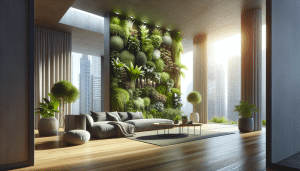
Strategically arranging indoor plants can transform any space, making it more welcoming and visually appealing. Unused corners, dark hallways, or the dead space by a bookshelf are optimal for low light species like snake plants or philodendrons. Thoughtful placement not only elevates home style but can also boost mood and air quality. These plants filter airborne toxins and introduce subtle scents, bringing freshness to rooms that need it most. Layering greenery of varied heights crafts a lively, multidimensional look, diminishing clutter and providing soft transitions between living zones.
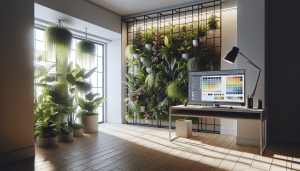
Clever plant stands, wall-mounted pots, or macrame hangers help make the most of tight urban spaces, especially in apartments. By suspending trailing varieties such as pothos or heartleaf philodendron, vertical space is claimed for greenery instead of furniture or decor. Many people enjoy grouping complementary varieties, striking a balance between light needs and visual variety. Alternating leaf shapes, textures, and growth habits ensure each arrangement stands out compellingly. There’s no fixed rule—experimentation often leads to the most striking displays. Over time, the synergy between plant and placement reveals the unique soul of your home.
Green styling isn’t limited to aesthetics. Smart use of planters with built-in reservoirs or self-watering features can minimize care for busy households. Container color, shape, and material all influence the final effect. Glossy ceramics add sophistication, while woven baskets bring warmth and texture. For modern environments, minimalist metal stands provide an industrial twist. These choices support plants while reflecting the overall design scheme. Overlapping natural light from lamps and windows at various angles ensures that even shaded plants get some exposure—further enhancing their color and longevity indoors.
Troubleshooting Common Issues With Low Light Plants
Even the toughest low light plants occasionally develop issues. Yellow leaves often signal overwatering, especially in consistently damp soil. Root-bound conditions, reflected by slowed growth and wilting, call for gentle repotting into one size up. If pests like fungus gnats appear, allow soil to dry slightly, prune affected roots, and consider natural deterrents like diluted neem oil. Maintaining good hygiene and ventilation prevents most outbreaks from gaining a foothold. Consistency is key—plants thrive when environments and routines remain stable, minimizing stress and disease risk.
Stunted growth may result from consistent deep shade, limiting photosynthetic energy. Try shifting the affected plant to a brighter location every few weeks, rotating it to promote balanced foliage. Faded or variegated patterns often revert to dark green—this is a normal adaptation but signals that more light would be welcome if possible. If leggy stems appear, prune them back lightly and encourage denser regrowth by maximizing what light is available. Not every setback spells disaster; resilient species quickly bounce back with minor corrections.
Regularly reassess plant locations and combinations. As seasons shift, sunlight patterns change—even the shadiest corners might get different light in winter than summer. Observational skills and a willingness to experiment separate successful indoor gardeners from those who struggle. Each new setback provides information for future arrangements, making every plant a teacher in its own way. Enjoy this evolving process—and know that lush, healthy greenery is possible anywhere with patience, curiosity, and the right care.
The Mental Health Benefits of Indoor Greenery
Bringing greenery indoors has impacts that extend well beyond aesthetics. Numerous research efforts link exposure to nature, even at the scale of a houseplant, with improved mental clarity and mood stabilization. Low light species democratize these benefits, making them accessible for all living spaces regardless of window placement or sunlight. Simply tending to indoor plants can reduce stress, encourage mindfulness, and provide a daily sense of accomplishment. Over time, a few well-chosen pots can bolster productivity and satisfaction in work-from-home settings or compact apartments.
Plants also modify air quality—absorbing carbon dioxide, releasing oxygen, and filtering potentially harmful VOCs from indoor environments. In offices and studios, greenery can alleviate the fatigue and eye strain associated with prolonged screen use. The repetitive, gentle act of watering, pruning, or rearranging foliage becomes a grounding ritual, offering both a creative outlet and a break from digital distractions. Even those with limited confidence find that nurturing a living thing brings unique satisfaction and growth—on both the plant’s and the caretaker’s part.
The therapeutic impact of indoor gardening is now supported by wellness research and occupational therapy frameworks. Houseplants used in homes, clinics, and schools promote a sense of calm and connection to the natural world, enhancing recovery and well-being. Low maintenance, shade-loving varieties make these benefits inclusive for beginners and experts alike, ensuring anyone can engage with this gentle daily practice. As your green collection flourishes, so too can your sense of purpose and tranquility at home, creating a personal sanctuary built leaf by leaf.
References
1. NASA. (n.d.). Interior Landscape Plants for Indoor Air Pollution Abatement. Retrieved from https://ntrs.nasa.gov/citations/19930073077
2. The University of Vermont. (n.d.). Houseplants: Their Care and Culture. Retrieved from https://www.uvm.edu/extension/mastergardener/houseplants-their-care-and-culture
3. North Carolina State University Extension. (n.d.). Growing Indoor Plants with Success. Retrieved from https://content.ces.ncsu.edu/growing-indoor-plants-with-success
4. American Psychological Association. (2020). The mental health benefits of plants. Retrieved from https://www.apa.org/monitor/2020/04/cover-natural-world
5. The Royal Horticultural Society. (n.d.). Houseplants: Choosing a houseplant. Retrieved from https://www.rhs.org.uk/houseplants/choosing
6. University of Florida IFAS Extension. (2021). Low Light Houseplants. Retrieved from https://edis.ifas.ufl.edu/publication/EP451

 You Might Find Surprising Value in Off-Market Properties