Secrets of Low Maintenance Indoor Plants You Can Enjoy
Henry Caldwell October 19, 2025
Discover the world of low maintenance indoor plants and transform your space into a green sanctuary. This guide explores easy-care options, practical plant care, creative display ideas, and eco-friendly benefits for a beautiful, stress-free home garden.
The Appeal of Low Maintenance Indoor Plants
Low maintenance indoor plants are redefining the way many approach home gardening. These resilient varieties are celebrated for their adaptability and the remarkable ability to thrive with minimal attention. Whether you have a busy lifestyle or simply enjoy the beauty of greenery without constant watering and care, these plants offer the perfect solution. Certain species like the snake plant, pothos, and ZZ plant are among those most renowned for tolerating a wide range of light and moisture conditions, making them particularly appealing for both beginners and seasoned enthusiasts.
Many are discovering how low maintenance indoor plants transform interiors with their lush leaves and air-purifying qualities. Unlike fussy species that wilt with inconsistent care, these easy-care options create an oasis with little effort. Families, students, and working professionals benefit by incorporating such resilient greenery into their living or workspaces, enjoying not only visual appeal but also improved indoor air quality. The sheer range of available choices allows everyone to find plants that complement their home’s style.
What sets these plants apart is their hardiness and forgiving nature. Even those who have struggled with houseplants in the past can confidently nurture these varieties. As they generally require less frequent watering and tolerate occasional neglect, they ease potential frustration for novice gardeners. People across generations increasingly prefer these selections, seeking comfort in knowing that their leafy companions will continue to flourish through life’s busy phases, travel, or even forgetful moments.
Popular Varieties for Effortless Greenery
Exploring the spectrum of low maintenance indoor plants opens up an exciting world of possibilities. The snake plant (Sansevieria) stands out for its distinctive upright leaves and almost legendary reputation for durability. Able to thrive in lower light and requiring infrequent watering, it’s a stellar choice for bedrooms and offices alike. Pothos (Epipremnum aureum), with its trailing vines and heart-shaped leaves, offers incredible flexibility in placement, as it adapts well to various lighting conditions and even thrives in water alone.
Another favorite is the ZZ plant (Zamioculcas zamiifolia), which boasts deep green, glossy leaves and effortlessly withstands drought conditions. Succulent fans often select Haworthia or jade plants, celebrated for storing moisture in their thick leaves and enduring weeks without watering. The hardy peace lily adds a touch of delicate beauty and has been praised for its ability to filter common household toxins—making it aesthetically and functionally valuable. Each of these plants serves as a stress-free entry point to indoor gardening for homes of any size.
For those seeking variety, mixing these species can create diverse, visually striking arrangements that require next to no daily maintenance. Many specialty nurseries and online resources feature collections specifically tailored for busy households or apartment dwellers, helping people discover combinations that suit their light levels and schedules. By combining foliage shapes, colors, and sizes, you can craft indoor displays that flourish year-round with only the simplest care routines.
Simple Care Routines for Thriving Indoor Plants
Caring for low maintenance indoor plants involves just a few thoughtful routines. Most require watering no more than once a week—or even less—depending on their specific needs and environmental conditions. A helpful rule is to check the top inch of soil; if it’s dry, water thoroughly and let excess moisture drain away. This approach prevents root rot and discourages fungus gnats, two of the most common pitfalls in indoor plant care routines.
Lighting requirements often concern new plant owners, but many low maintenance species are engineered by nature to excel in diverse settings. While indirect natural light is ideal for most, artificial lighting also supports healthy growth. Occasionally wiping dust from the leaves ensures plants can photosynthesize efficiently, boosting their overall health and appearance. Fertilizing is optional and, if chosen, should be done sparingly, usually no more than once per season.
One of the most empowering aspects of caring for these hardy plants is their resilience against common pests and diseases. Regular inspection, coupled with prompt removal of dead foliage, helps maintain plant vigor. Employing simple organic solutions—such as diluted soap sprays in the rare event of a pest issue—ensures maintenance remains eco-friendly and safe for indoor environments. With minimal intervention, many people find their plants lasting for years, even decades.
Creative Ideas for Indoor Plant Display
Displaying low maintenance indoor plants can be an opportunity to express creativity while maximizing the unique qualities of each species. Wall-mounted planters, macrame hangers, and multi-tiered shelves help make the most of limited space, drawing the eye upward and adding texture to walls. Grouping plants with contrasting foliage creates striking focal points, especially when complemented by decorative pots in various patterns and materials.
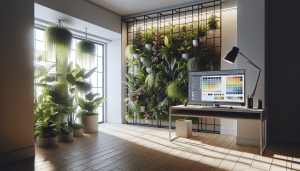
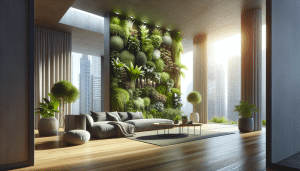
Living walls—vertical arrangements of numerous small plants—have become popular in modern interior design. Not only do they enhance aesthetics, but they also contribute to sound insulation and better air quality. Smaller specimens like succulents and Haworthia are perfect for tabletop displays, windowsills, or even bathroom counters, since they thrive in a range of humidity levels. Rotating plants between rooms throughout the year can also keep arrangements fresh and plants healthier, as each species benefits from changing light and air currents.
Avoiding monotony is easy: mix and match trailing, upright, or bushy growth forms and play with height using plant stands or stacked stone platforms. Incorporating elements like pebbles, driftwood, or glass beads lends a personalized touch. Many plant lovers find joy in observing the dynamic way green elements evolve in their home, as new leaves appear and vines stretch toward the sun. This process makes each space feel alive and unique.
Health and Air Quality Benefits of Indoor Greenery
Beyond aesthetics, low maintenance indoor plants offer significant health and wellness perks. Many species have been studied for their ability to remove indoor air pollutants, such as volatile organic compounds (VOCs). Snake plants, spider plants, and peace lilies, for example, are highlighted in NASA’s Clean Air Study for their effectiveness at improving air quality in closed environments. Cleaner air fosters a healthier home, providing reasons to go green beyond simple beauty.
The calming influence of indoor plants is widely acknowledged. Studies have linked the presence of houseplants to reduced stress levels, lower blood pressure, and increased focus and productivity. This makes integrating greenery into living rooms, home offices, or bedroom spaces not just an option, but a wellness strategy. Children, elderly family members, and pets can also benefit—though it’s important to check which plant species are non-toxic to prevent accidental ingestion issues.
Maintaining indoor plants aligns with environmentally conscious living. Plants support healthy humidity levels indoors, can reduce dust accumulation, and, over time, decrease reliance on mechanical air purification. This sustainable approach to personal spaces reflects a broader trend where small, everyday choices contribute positively to the environment while boosting well-being and comfort indoors.
Overcoming Common Challenges with Low Maintenance Plants
While low maintenance indoor plants are designed to be forgiving, small adjustments can make all the difference. When leaves yellow or brown, it usually signals a need to tweak lighting, watering, or humidity. Addressing these issues early, through observation and research, can help prevent larger setbacks and build confidence among those new to houseplants. Overwatering remains the most common cause of plant problems.
Accessibility to trusted care resources is increasing, with guides from botanic gardens, universities, and plant societies available online. Troubleshooting platforms now provide useful diagnostic tools, helping people identify what their greenery needs. If a plant struggles, consider relocating it to a spot with more appropriate lighting or adjusting the frequency of care. Community gardening groups offer spaces to share experiences and ask questions for extra support.
For households with pets or young children, prevention is key: opt for non-toxic varieties and elevate plants out of reach where necessary. Remember, plant care evolves over time—patience and a willingness to observe your plants’ unique responses are what guide long-term success. Even minor mistakes rarely have lasting consequences with these robust species, making the journey rewarding and stress-relieving.
References
1. NASA. (n.d.). NASA Clean Air Study. Retrieved from https://ntrs.nasa.gov/api/citations/19930073077/downloads/19930073077.pdf
2. Costa, A.N. & Lopes, M.C.B. (2015). Benefits and challenges of urban indoor green spaces. Retrieved from https://www.mdpi.com/1660-4601/12/8/9509
3. University of Florida IFAS Extension. (n.d.). Indoor Plants: Selection and Care. Retrieved from https://edis.ifas.ufl.edu/publication/EP042
4. The Royal Horticultural Society. (n.d.). Ten houseplants for easy care. Retrieved from https://www.rhs.org.uk/plants/popular/indoor-plants/ten-houseplants-for-easy-care
5. American Society for Horticultural Science. (2020). Air cleaning efficacy of houseplants. Retrieved from https://journals.ashs.org/hortsci/view/journals/hortsci/volume-55/issue-11/article-1701.xml
6. Texas A&M AgriLife Extension. (n.d.). Easy Houseplants. Retrieved from https://aggie-horticulture.tamu.edu/earthkind/files/2015/10/Easy-Houseplants-EHT-063.pdf

 Travel Secrets You Should Know Before Booking Flights