Nutrition Tips That Support Brain Health
Sofia Marquez September 22, 2025
In 2025, brain health has become one of the most talked-about aspects of overall wellness. With rising concerns about cognitive decline, digital fatigue, and the demands of high-performance lifestyles, people are increasingly searching for nutrition tips that support brain health. Nutrition science has advanced quickly, spotlighting dietary patterns, superfoods, and innovative supplements that can help maintain memory, focus, and long-term brain function.
This article explores the latest trends, science-backed strategies, and practical tips you can integrate into your daily life to protect and strengthen your brain. Whether you’re a student, professional, or older adult aiming to stay sharp, these strategies can provide sustainable support for mental performance.
Why Nutrition Matters for Brain Health
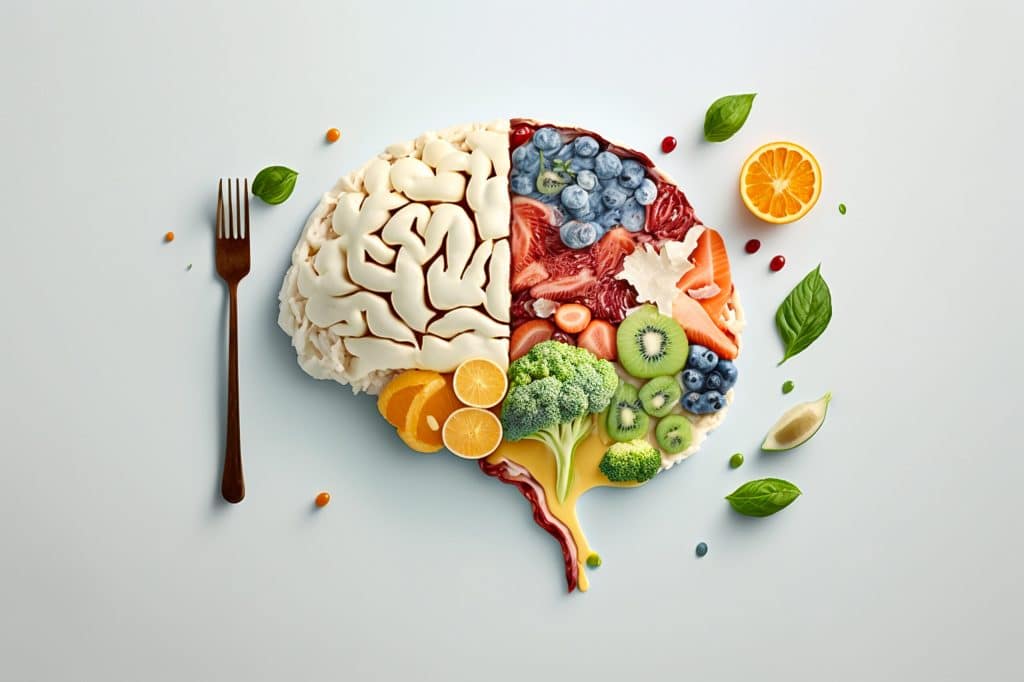
The brain is an energy-intensive organ, using up to 20% of the body’s daily energy intake. Just like muscles, it requires consistent nourishment to function at its best. Poor diet, nutrient deficiencies, and excess processed food can impair memory, mood, and cognitive performance, while nutrient-rich diets support resilience against age-related decline.
Researchers emphasize three key reasons why nutrition is critical for brain health:
- Neuroprotection: Certain nutrients protect brain cells from oxidative stress and inflammation.
- Neuroplasticity: Diet influences the brain’s ability to adapt and form new connections, essential for learning and memory.
- Neurogenesis: Specific compounds stimulate the growth of new neurons, helping preserve brain function as we age.
Hot Trend: The Rise of Brain-Boosting Diets
The MIND Diet 2.0
The MIND diet—a hybrid of the Mediterranean and DASH diets—has been linked to lower risks of Alzheimer’s disease. In 2025, researchers are refining it to “MIND Diet 2.0,” which emphasizes polyphenol-rich foods such as berries, dark chocolate, and green tea for enhanced cognitive protection.
Ketogenic and Modified Low-Carb Diets
Low-carb diets are being studied for their impact on brain energy metabolism. Some evidence suggests ketones provide a cleaner energy source for the brain, reducing inflammation and improving focus. Modified ketogenic diets that balance carbs and fats are gaining traction among professionals seeking sharper thinking without extreme restrictions.
Personalized Brain Nutrition
AI-driven nutrition apps are now tailoring diet plans to individual genetics, microbiome profiles, and lifestyle habits. This personalization ensures that people get the exact nutrients their brain needs to perform optimally and reduce long-term risk factors for cognitive decline.
Key Nutrients for Cognitive Health
1. Omega-3 Fatty Acids
Found in fatty fish, flaxseeds, and walnuts, omega-3s—particularly DHA—are essential for building and repairing brain cell membranes. Studies show they support memory and may slow cognitive decline.
2. B Vitamins
B6, B12, and folate help regulate homocysteine, an amino acid linked to dementia risk. A balanced intake improves energy metabolism and reduces mental fatigue.
3. Polyphenols and Antioxidants
Foods like blueberries, pomegranates, and green tea provide polyphenols, which protect neurons from oxidative stress and improve signaling between brain cells.
4. Choline
Eggs, soybeans, and cruciferous vegetables are rich in choline, a precursor for acetylcholine, the neurotransmitter involved in memory and learning.
5. Magnesium
Magnesium plays a role in neurotransmitter release and synaptic plasticity. A growing number of people are supplementing with magnesium L-threonate, a form shown to cross the blood-brain barrier effectively.
Practical Nutrition Tips That Support Brain Health
Here are actionable ways to build brain-boosting habits into your daily life:
- Eat fatty fish twice a week – salmon, sardines, or mackerel provide vital DHA.
- Start your day with a brain-friendly smoothie – include spinach (magnesium), blueberries (antioxidants), and flaxseeds (omega-3s).
- Swap processed snacks for nuts – walnuts and almonds deliver healthy fats and vitamin E.
- Drink green tea instead of sugary sodas – L-theanine in tea promotes calm focus.
- Choose whole grains over refined carbs – oats, quinoa, and barley stabilize blood sugar for steady brain energy.
- Add turmeric to meals – curcumin supports neuroplasticity and reduces inflammation.
- Stay hydrated – even mild dehydration can impair concentration and memory.
Trend Spotlight: Nootropics and Functional Foods
In 2025, nootropics—substances that enhance cognitive performance—are moving from niche supplements to mainstream nutrition. Instead of synthetic pills, consumers are now embracing natural nootropic foods and drinks.
- Lion’s Mane mushroom: Linked to neurogenesis and reduced brain fog.
- Matcha lattes: A favorite among remote workers for sustained energy and focus.
- Adaptogenic blends: Ashwagandha and rhodiola reduce stress, indirectly benefiting cognitive function.
- Fortified foods: Cereals and snacks enriched with omega-3s, B vitamins, and probiotics are hitting supermarket shelves.
Gut-Brain Connection: The Microbiome Factor
Emerging research highlights the gut-brain axis as a critical player in cognitive health. A balanced microbiome influences mood, memory, and resilience against stress.
Ways to support your gut for better brain health:
- Eat fermented foods like kimchi, kefir, and sauerkraut.
- Increase fiber intake with beans, fruits, and vegetables.
- Limit artificial sweeteners, which may disrupt gut balance.
Future Outlook: Brain Nutrition in the Next Decade
The field of neuro-nutrition is rapidly evolving. Looking ahead, we can expect:
- AI-powered diet tracking to predict cognitive performance dips and suggest immediate nutritional interventions.
- Precision supplementation based on genetic testing.
- Bioengineered foods designed to optimize brain chemistry and enhance resilience to age-related changes.
As lifestyles become increasingly digital and cognitively demanding, nutrition tips that support brain health will continue to grow in relevance—not just for older adults but for students, professionals, and anyone seeking peak performance.
Conclusion
Brain health is no longer just about avoiding decline in later years—it’s about thriving in the present. By incorporating foods rich in omega-3s, antioxidants, and B vitamins, exploring functional nootropics, and supporting the gut-brain connection, you can build a nutrition plan that sustains memory, focus, and long-term cognitive vitality.
Small daily choices—like choosing walnuts over chips or green tea over soda—can add up to a significant difference in brain performance and resilience. With consistent habits, you’re giving your brain the tools it needs to adapt, learn, and stay strong well into the future.
References
- Harvard T.H. Chan School of Public Health. (2024). The MIND diet and cognitive health. Available at: https://www.hsph.harvard.edu (Accessed: 22 September 2025)
- National Institutes of Health (NIH). (2023). Omega-3 fatty acids and brain function. Available at: https://ods.od.nih.gov (Accessed: 22 September 2025)
- Global Wellness Institute. (2024). Wellness trends 2024–2025: The brain health revolution. Available at: https://globalwellnessinstitute.org (Accessed: 22 September 2025)

 DIY Projects That Transform Small Home Spaces