Nutrition Practices That Enhance Cognitive Performance
Sofia Marquez September 30, 2025
Cognitive health is becoming a mainstream priority. From students chasing sharper focus to professionals fighting daily brain fog, nutrition practices that enhance cognitive performance are now central to conversations about productivity, longevity, and quality of life.
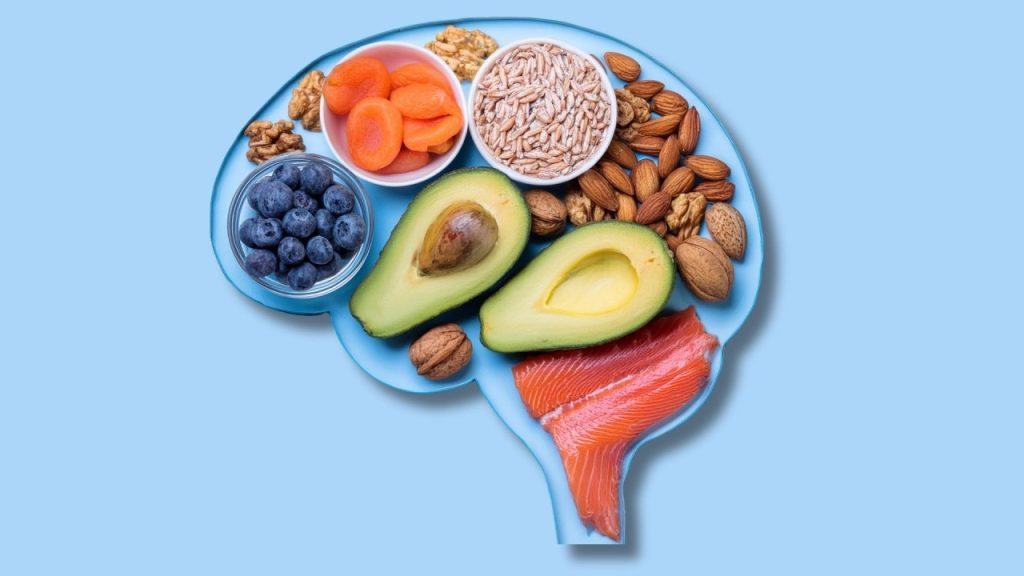
Why Nutrition and Brain Function Are Closely Connected
The brain is an energy-intensive organ, consuming about 20% of the body’s daily energy while making up only 2% of body weight. This disproportionate demand means that the nutrients we consume directly shape attention, memory, and overall cognitive performance. Poor dietary patterns accelerate decline, while targeted nutrition practices provide both immediate and long-term benefits.
Brain-Boosting Diets: The Rising Trend in 2025
Emerging dietary approaches are gaining attention for their impact on brain function. Three approaches stand out:
- Mediterranean Diet: Centered on olive oil, vegetables, nuts, fish, and whole grains, this diet has been linked to a slower rate of cognitive decline and improved memory performance.
- Ketogenic-Inspired Diets: By shifting the body’s energy source from glucose to ketones, these diets may improve mental clarity and protect neurons, especially in older adults.
- Intermittent Fasting: Beyond weight management, fasting stimulates cellular repair and enhances neuroplasticity, which supports learning and memory.
Together, these dietary frameworks are not only trends but also evidence-backed strategies for protecting brain health well into older age.
Key Nutrients That Enhance Cognitive Performance
Omega-3 Fatty Acids
Omega-3s, particularly DHA, play a crucial role in neuron function and signaling. A deficiency has been associated with mood disorders and poor learning capacity, while consistent intake from sources like salmon, walnuts, and chia seeds is linked to higher cognitive test scores.
B Vitamins
Folate, B6, and B12 are essential for reducing homocysteine levels, an amino acid associated with brain atrophy. Supplementation in deficient populations has been shown to slow brain shrinkage and improve memory function.
Antioxidants and Polyphenols
Berries, green tea, and dark chocolate provide compounds that protect neurons from oxidative stress. These foods not only support long-term brain health but also improve blood circulation to critical brain regions, boosting mental agility.
Magnesium and Zinc
Magnesium regulates neurotransmitter activity and has been tied to better sleep quality, a key factor in memory consolidation. Zinc, meanwhile, supports hippocampal health, which is directly responsible for learning and recall.
The Gut-Brain Axis: A New Frontier
One of the most exciting developments in cognitive nutrition is the discovery of the gut-brain axis. This two-way communication network connects gut microbes with neural activity.
- Probiotics such as Lactobacillus and Bifidobacterium strains improve stress management and memory.
- Prebiotics from fiber-rich foods like oats, bananas, and onions encourage the growth of beneficial bacteria.
- Fermented foods such as kefir, kimchi, and sauerkraut are being increasingly consumed not just for digestion, but also for cognitive stability.
The rising popularity of psychobiotic supplements—probiotics marketed for mood and focus—highlights how rapidly this field is moving into mainstream health culture.
Caffeine, Nootropics, and Smart Supplements
Caffeine remains the world’s most used stimulant, but research shows it works best in combination with other compounds.
- Caffeine with L-theanine, an amino acid in green tea, boosts focus while reducing jittery side effects.
- Creatine, widely used in sports nutrition, shows promise for improving working memory in sleep-deprived individuals.
- Adaptogenic herbs such as ashwagandha and rhodiola are popular in 2025 for reducing mental fatigue and maintaining productivity during stress.
The nootropic supplement market continues to expand, blending traditional remedies with modern science.
Practical Daily Nutrition Practices
Morning
- Start with an omega-3 rich breakfast: chia seed pudding or smoked salmon on whole-grain toast.
- Include berries for flavonoid protection.
Afternoon
- Swap sugary snacks for nuts and green tea.
- Stay hydrated; even mild dehydration reduces short-term memory and attention span.
Evening
- Choose magnesium-rich vegetables like spinach or pumpkin seeds.
- Reduce alcohol, which interferes with sleep cycles and memory formation.
Foods to Limit
- Highly processed foods high in trans fats.
- Sugary sodas that accelerate hippocampal shrinkage.
- Excess alcohol that accelerates age-related brain changes.
Debunking Brain Food Myths
- Myth: Energy drinks improve focus.
While stimulants may increase alertness temporarily, they often cause a crash in attention and long-term reliance. - Myth: Ginkgo biloba guarantees memory enhancement.
Research is mixed, showing limited benefits for healthy adults compared to proven nutrients like omega-3s and B vitamins. - Myth: More protein equals more focus.
While protein supports neurotransmitter production, excess protein without balance can impair overall brain efficiency.
Real-World Example: Students and Professionals
Universities and corporate offices are beginning to introduce “brain-friendly menus” in cafeterias. Meals rich in whole grains, omega-3s, and probiotic foods are replacing fried and sugary options. Initial reports suggest fewer complaints of brain fog and fatigue among participants.
This reflects a wider cultural recognition: productivity is not only about schedules or apps, but also about what goes on the plate.
The Future of Cognitive Nutrition
The next decade will see advances in personalized nutrition for brain health. Already, companies are offering genetic testing that matches diets with cognitive profiles. Wearable technology may soon track nutrient intake and mental performance simultaneously, giving real-time insights.
Another area to watch is precision supplementation, where microbiome tests guide probiotic prescriptions specific to brain performance. The combination of AI and nutritional science promises to transform brain health strategies into fully personalized daily routines.
Conclusion
Nutrition practices that enhance cognitive performance are not just wellness fads; they are evidence-based strategies for improving focus, memory, and resilience. From omega-3s and B vitamins to probiotics and intermittent fasting, these approaches are shaping how society thinks about brain health.
In 2025, cognitive nutrition stands as both a preventative tool against decline and a performance enhancer for daily life. The cultural shift is clear: the future belongs not just to those who live longer, but to those who live sharper.
References
- de Cabo, R. & Mattson, M. P. (2019). Effects of Intermittent Fasting on Health, Aging, and Disease. Available at: https://www.nejm.org (Accessed: 30 September 2025)
- Mergenthaler, P., Lindauer, U., Dienel, G. A., & Meisel, A. (2013). Sugar for the Brain: The Role of Glucose in Physiological and Pathological Brain Function. Available at: https://www.ncbi.nlm.nih.gov (Accessed: 30 September 2025)
- Swanson, D., Block, R., & Mousa, S. A. (2012). Omega-3 Fatty Acids EPA and DHA: Health Benefits Throughout Life. Available at: https://www.ncbi.nlm.nih.gov (Accessed: 30 September 2025)

 DIY Home Projects That Enhance Comfort