Natural Remedies You Might Not Expect for Glowing Skin
Sofia Marquez October 15, 2025
Curious about ways to achieve glowing skin without harsh chemicals? Discover how natural remedies, mindful routines, and science-backed methods can help nurture your complexion. This guide explores simple steps, herbal solutions, and lifestyle adjustments to support long-term wellness and beauty, blending tradition with modern insights.
Understanding Skin Health and What Influences It
Healthy, radiant skin is shaped by a mix of genetic, environmental, and lifestyle factors. External stressors such as pollution, sun exposure, and harsh personal care products may impact the skin’s natural balance. But internal habits like diet, hydration, and sleep play powerful roles too. When approaching natural remedies for glowing skin, understanding these influences helps set practical expectations and guides smarter choices. Cellular repair, collagen production, and antioxidant defenses all rely on lifestyle foundations. Hydration and nutrient intake, for example, directly nurture the structure and resilience of your skin. By considering both external and internal factors, you set the stage for solutions that support wellness from the inside out. This holistic perspective is reinforced by scientific communities encouraging a balanced, individualized approach to promote lasting skin health (https://www.cdc.gov/niosh/topics/skin/).
Many individuals find their skin responds differently over time or during periods of change. Hormonal shifts, weather variations, and even emotional stress can prompt fluctuations in skin texture, hydration, and clarity. Through mindfulness and attentive observation, it becomes easier to adapt routines to suit current needs. Instead of searching for a one-size-fits-all miracle, focus on understanding what your skin communicates day to day. Some days, a gentle cleanse and hydration will be enough; other times, targeted plant-based treatments may give an extra boost. This flexibility forms the heart of long-term skin wellness, reflecting guidance from dermatologists who recommend adaptive rather than rigid practices for sustainable beauty (https://www.aad.org/public/everyday-care/skin-care-secrets/routine).
Knowledge of your skin’s specific type—oily, dry, combination, or sensitive—helps when choosing natural remedies. Environmental awareness, like using SPF daily, supports efforts to maintain balance and reduce risk of premature aging. The great news: forming healthy habits pays dividends over time. Consistency, not complexity, drives results. Small changes, like drinking extra water or swapping to fragrance-free cleansers, can have noticeable effects within weeks. Research supports the importance of gentle, non-irritating products alongside stress management methods as essentials for healthy skin (https://www.ncbi.nlm.nih.gov/pmc/articles/PMC2923941/).
Exploring Herbal and Plant-Based Skincare Ingredients
Plants have long played a central role in skin wellness traditions. Ingredients such as aloe vera, chamomile, and calendula are praised for their soothing and anti-inflammatory properties. Green tea extract, packed with antioxidants, may help reduce redness and combat environmental damage. Recent studies underscore the value of botanical compounds in skincare, highlighting their gentle, multi-functional qualities. For those searching for glowing, balanced skin, these plant-based ingredients often provide an approachable way to enhance routines naturally. They can be used in masks, serums, or as standalone spot treatments. Taking inspiration from herbal medicine and modern research, skin enthusiasts find botanicals effective for calming and revitalizing skin when incorporated mindfully (https://www.mayoclinic.org/drugs-supplements-aloe-vera/art-20362268).
While herbal remedies can be wonderful additions, it’s helpful to watch for individual sensitivities. Not all natural ingredients are suitable for every skin type. For instance, tea tree oil offers antimicrobial benefits but may irritate sensitive skin if not diluted. Performing a patch test before full application is a practical step recommended by dermatologists. Besides, consistent use of pure plant oils such as jojoba or rosehip can help lock in moisture. They mimic the skin’s own lipids and tend not to clog pores. This makes them popular among those seeking to restore balance to dry or combination skin. Research continues to affirm the role of plant compounds in maintaining the skin’s protective barrier and overall wellness (https://www.ncbi.nlm.nih.gov/pmc/articles/PMC4106357/).
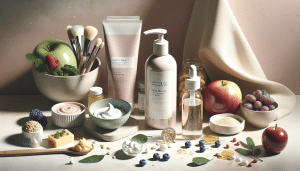
Homemade remedies using kitchen staples—such as honey, oatmeal, and cucumber—also find their way into beauty routines for glowing skin. Honey, a natural humectant, locks in moisture while offering mild antibacterial effects. Oatmeal soothes irritation and supports the skin’s natural barrier, ideal for calming redness or itchiness. Cucumber slices are often used to refresh tired eyes and reduce puffiness. Mixing these ingredients into masks or cleansers brings wellness benefits without synthetic additives or harsh preservatives. These simple approaches empower a more conscious, ingredient-aware beauty journey, connecting time-tested remedies with modern wellness goals.
Lifestyle Habits That Impact Your Skin’s Glow
Daily choices have a surprising impact on how your skin looks and feels. One cornerstone is hydration—drinking enough water each day helps keep the skin plump and flushes out waste products. Nutrition also plays a vital part. Eating antioxidant-rich fruits, vegetables, whole grains, and healthy fats can nourish skin from within. Vitamins C and E, in particular, support collagen production and fight the effects of free radicals. These nutrients, combined with minerals like zinc and selenium, act as natural protectors of the complexion. Over time, consistently eating well and staying hydrated contribute to that sought-after healthy glow, as highlighted by leading health organizations (https://www.hsph.harvard.edu/nutritionsource/vitamins/vitamin-e/).
Sleep has a restorative function that’s often underrated in skin-care conversations. Overnight, the body’s repair mechanisms kick in, rebuilding skin tissue and balancing hormones. Poor sleep, by contrast, can result in dullness, increased fine lines, and inflammation. Setting a regular bedtime, reducing screen exposure before sleep, and adopting calming routines all support more restful nights—and brighter complexions. Stress management is another essential habit. High stress can trigger breakouts or worsen conditions such as eczema and psoriasis. Mindful activities like gentle yoga, meditation, or journaling help lower cortisol, a hormone linked to skin flare-ups, and can be integrated into daily life.
Sun safety rounds out foundational wellness practices for glowing skin. Daily use of sunscreen, wearing hats, or seeking shade significantly reduces sunburn and photoaging. Even on cloudy days, UV rays can impact the skin. Opting for mineral-based sunscreens made with zinc oxide or titanium dioxide offers broad protection without harsh chemical filters. Reapplying regularly and choosing sun-smart clothing supports these efforts. Integrating these habits into routines adds up, building resilient, glowing skin that reflects overall wellbeing. Such advice is widely supported by dermatology and public health resources (https://www.cancer.org/healthy/be-safe-in-sun.html).
Mindful Skincare Rituals and Self-Care Practices
Skincare is not just about products—it’s also a meaningful opportunity for relaxation and self-connection. Incorporating mindful rituals, such as a gentle facial massage or deep-breathing as you apply moisturizer, brings intention and calm to your routine. These moments create a sense of routine and predictability, reducing daily stress. A calm mind signals to the body that it’s safe, which may reduce skin sensitivity or reactivity. Mindful self-care encourages you to become attuned to your skin’s subtle shifts, fostering a more responsive and intuitive approach, in line with holistic wellness principles (https://www.nccih.nih.gov/health/meditation-in-depth).
Simple rituals, such as a weekly mask or herbal steam, offer a chance to unwind while supporting skin health. Herbal steams gently open pores and can be made using dried chamomile or lavender, helping to soften skin before cleansing. Setting aside time for these practices, even if it’s just ten minutes, signals a commitment to self-care beyond surface-level appearance. Practitioners of skin health often advocate for less-is-more philosophies, emphasizing the power of rest, touch, and presence. These moments of pause foster emotional balance and enhance total wellness.
Attaching positive emotions to your skincare routine can even help with consistency over time. When washing your face or applying a favorite serum becomes a mini act of self-kindness, it’s easier to maintain. Over months, these little rituals add up, reinforcing both outer beauty and a sense of inner wellbeing. Mindfulness can also help identify if a product or ingredient is no longer serving you, leading to more empowered choices. Practicing gratitude for your body and its resilience brings benefits that go far beyond what’s visible in the mirror.
Choosing Gentle, Science-Backed Products and Knowing When to Seek Help
Choosing gentle products for your skin is essential for supporting its natural barrier. Look for ingredient lists free of synthetic fragrances, harsh detergents, or unnecessary preservatives. This reduces irritation and helps maintain healthy skin microbiota. Many brands now offer minimalist lines focused on short, transparent ingredient lists and tested formulations, drawing on both traditional wisdom and modern science. Botanicals, niacinamide, or ceramides are commonly featured for their proven roles in skin health and barrier repair. Reading labels, checking scientific backing, and being open to adjusting products as needs evolve supports smarter choices (https://www.fda.gov/cosmetics/cosmetic-ingredients/how-find-reliable-information-cosmetics).
Sometimes, skin changes can indicate a need for professional guidance. Persistent rashes, unexplained redness, or severe acne often benefit from a dermatologist’s insight. Medical providers are best equipped to rule out underlying conditions and can recommend evidence-based therapies suited to your individual needs. Don’t hesitate to consult a doctor if home remedies or lifestyle changes aren’t providing relief. Early support may prevent issues from becoming chronic and provide peace of mind. Access to reliable information can help with recognizing when expert help is wise, offering resources that prioritize safety and effective care.
Above all, take a balanced approach. Natural remedies for glowing skin can be deeply supportive, but they work best in partnership with thoughtful routines and smart product decisions. Staying curious, informed, and patient with your skin’s journey helps cultivate confidence inside and out. This comprehensive approach blends traditional wisdom, personal observation, and the best of contemporary science—ensuring that your pursuit of a luminous complexion is grounded, realistic, and empowering at every stage.
References
1. Centers for Disease Control and Prevention. (n.d.). Skin Exposures and Effects. Retrieved from https://www.cdc.gov/niosh/topics/skin/
2. American Academy of Dermatology Association. (n.d.). Skin care routine: What you should know. Retrieved from https://www.aad.org/public/everyday-care/skin-care-secrets/routine
3. Draelos, Z.D. (2010). The Science Behind Skin Care: Natural Ingredients. Retrieved from https://www.ncbi.nlm.nih.gov/pmc/articles/PMC2923941/
4. Mayo Clinic. (n.d.). Aloe Vera: What does the research show? Retrieved from https://www.mayoclinic.org/drugs-supplements-aloe-vera/art-20362268
5. Harvard T.H. Chan School of Public Health. (n.d.). Vitamin E. Retrieved from https://www.hsph.harvard.edu/nutritionsource/vitamins/vitamin-e/
6. U.S. Food and Drug Administration. (n.d.). How to Find Reliable Information about Cosmetics. Retrieved from https://www.fda.gov/cosmetics/cosmetic-ingredients/how-find-reliable-information-cosmetics

 Unique Travel Experiences You Might Be Missing