Interior Design Ideas That Maximize Small Spaces
Henry Caldwell October 1, 2025
As urban living continues to grow, more people find themselves in smaller homes, apartments, or studios. The demand for smart, functional designs that maximize the use of limited space has never been greater. This need has sparked a wave of creativity, especially in the realm of multifunctional furniture and space-saving storage solutions. These trends are not just about fitting more into a small space—they’re about creating an environment that feels open, stylish, and functional.
In this article, we’ll explore several design ideas and tips that can help you maximize the potential of small spaces without compromising on comfort or style.
1. Multifunctional Furniture: A Game-Changer for Small Spaces
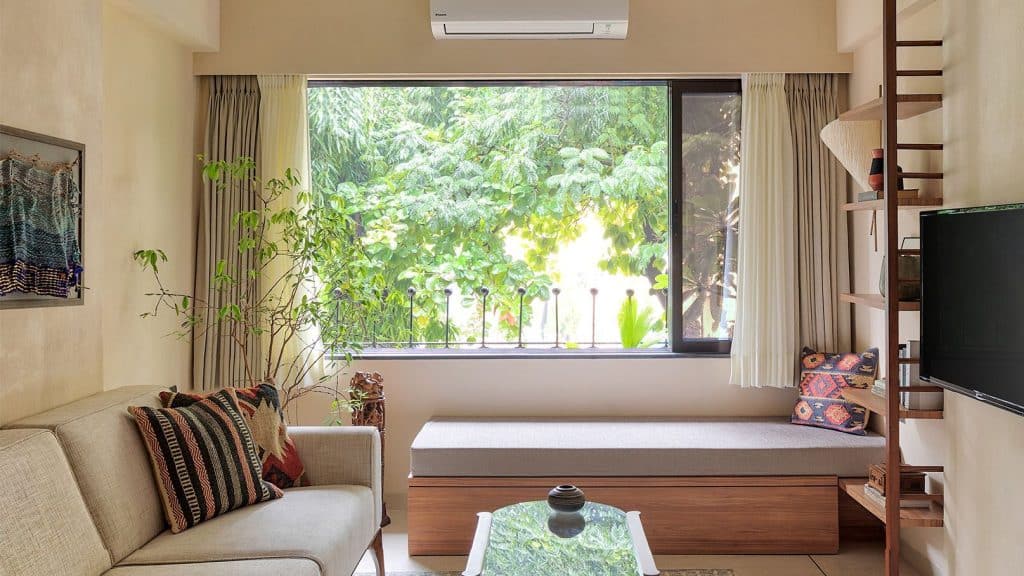
When it comes to small living spaces, multifunctional furniture is the hero. These innovative pieces do double duty, offering both style and practicality. Here are some top examples:
- Sofa Beds: A sofa by day and a bed by night, sofa beds are perfect for living rooms that double as guest rooms. Modern designs are sleek, comfortable, and easy to operate.
- Fold-Down Desks: If you need a work-from-home space, consider a fold-down desk that can be tucked away when not in use. These can be installed on walls or hidden in cabinets.
- Ottoman Storage: Ottomans that open up for storage are excellent for hiding extra blankets, magazines, or even electronics. They provide both seating and a place to stash items out of sight.
Multifunctional furniture saves space and makes the room more flexible, allowing it to serve multiple purposes throughout the day. This adaptability is ideal for city dwellers or anyone with limited square footage.
2. Smart Storage Solutions
Storage is often one of the biggest challenges in small spaces. Without proper organization, clutter can quickly take over. Here are some creative storage ideas that help keep things neat while utilizing every inch of your home:
- Under-Bed Storage: Beds with built-in drawers or lofted designs provide valuable storage space beneath. This area is perfect for seasonal clothes, shoes, or extra bedding.
- Vertical Storage: Use shelves that go all the way up to the ceiling. This helps utilize wall space while keeping floors open. Hanging organizers and hooks can also help you store items in a visually appealing way.
- Floating Shelves: These shelves provide a minimalist solution to store books, plants, or decor without taking up floor space. They give a sense of openness while maintaining functionality.
- Closet Organizers: Invest in closet systems that optimize vertical space. Adjustable shelves, over-the-door hooks, and hanging racks can instantly increase your closet’s storage capacity.
Incorporating these smart storage ideas into your design ensures that every item has a home, making your space feel organized and spacious.
3. Mirrors and Light: Create the Illusion of Space
One of the simplest and most effective tricks to make a small room feel bigger is by utilizing mirrors and lighting. Here’s how they work:
- Mirrors: Strategically placing mirrors can create the illusion of more space by reflecting light and making the room appear larger. Full-length mirrors can also double as functional decor in smaller rooms like bedrooms or hallways.
- Lighting: Proper lighting makes a huge difference in the perceived size of a room. Avoid heavy, dark curtains and opt for light-colored fabrics to let in as much natural light as possible. Use a combination of ambient, task, and accent lighting to create a layered effect, making the space feel open and welcoming.
The strategic use of mirrors and lighting is an easy way to visually expand a small space, creating a more airy and open atmosphere.
4. Color and Design: The Power of Light Tones
When decorating small spaces, color choice plays a critical role. Lighter shades help make a room feel open, airy, and spacious. Some effective tips include:
- Use of Neutral Colors: White, light gray, beige, and pastel shades reflect light, making a room feel more expansive. These tones work particularly well in smaller kitchens and bathrooms.
- Accent Walls: While the majority of your space should be kept light and neutral, adding a pop of color with an accent wall can create visual interest without overwhelming the space.
- Cohesive Decor: Keep furniture and decor in complementary colors to avoid a cluttered, disjointed look. Cohesive design helps the space feel organized and open, even with limited square footage.
By sticking to lighter tones and a consistent color palette, you can make even the smallest of rooms feel more inviting and spacious.
5. Minimalism: Less is More
Another trend that’s gaining traction in small spaces is minimalism. By simplifying your decor and focusing only on essential pieces, you can make your space feel less cluttered and more functional. Key elements of minimalist design include:
- Clean Lines: Choose furniture with sleek, simple designs that don’t overwhelm the space.
- Declutter Regularly: Keeping only the items that serve a function or bring joy can make your space feel more open and less chaotic.
- Quality Over Quantity: Invest in a few well-made pieces rather than filling the space with excessive decor. Quality furniture and decor items can elevate the overall aesthetic of a small space without overcrowding it.
Minimalism encourages you to keep only what you truly need or love, resulting in a serene and streamlined environment.
Conclusion: Designing Small Spaces with Big Impact
Maximizing small spaces is all about creativity and efficiency. By embracing multifunctional furniture, smart storage solutions, strategic lighting, light colors, and minimalist design, you can create a functional and stylish living space, no matter the size. The key is to focus on flexibility, smart storage, and aesthetic balance.
As we continue to live in smaller homes, these design trends will help shape the way we approach interior decor, ensuring that every inch of space is optimized for comfort and functionality. With these tips, you can transform even the tiniest space into a practical and beautiful home.
References
- McKeown, L. (2020, June 15). How to make the most of small spaces. Available at: https://www.thespruce.com (Accessed: 1 October 2025)
- Bender, J. (2021, July 30). Best space-saving furniture for small homes. Available at: https://www.apartmenttherapy.com (Accessed: 1 October 2025)
- Hacking, J. (2022, March 4). 10 minimalist design tips for small spaces. Available at: https://www.realsimple.com (Accessed: 1 October 2025)

 Nutrition Practices That Boost Energy and Concentration