Interior Design Ideas That Promote Relaxation
Henry Caldwell September 22, 2025
In a world that feels increasingly fast-paced, many people are turning to their homes as sanctuaries. One of the most talked-about practices in interior design today is how to craft environments that promote relaxation. If you’re wondering how to transform your home into a calming retreat, these emerging trends offer fresh ideas. From Japandi minimalism to dopamine décor and the revival of texture and earth tones, the design world is shifting toward spaces that soothe the mind. In this guide, you’ll see practical interior design ideas that promote relaxation, backed up by expert insight, so you can apply them in your own home.
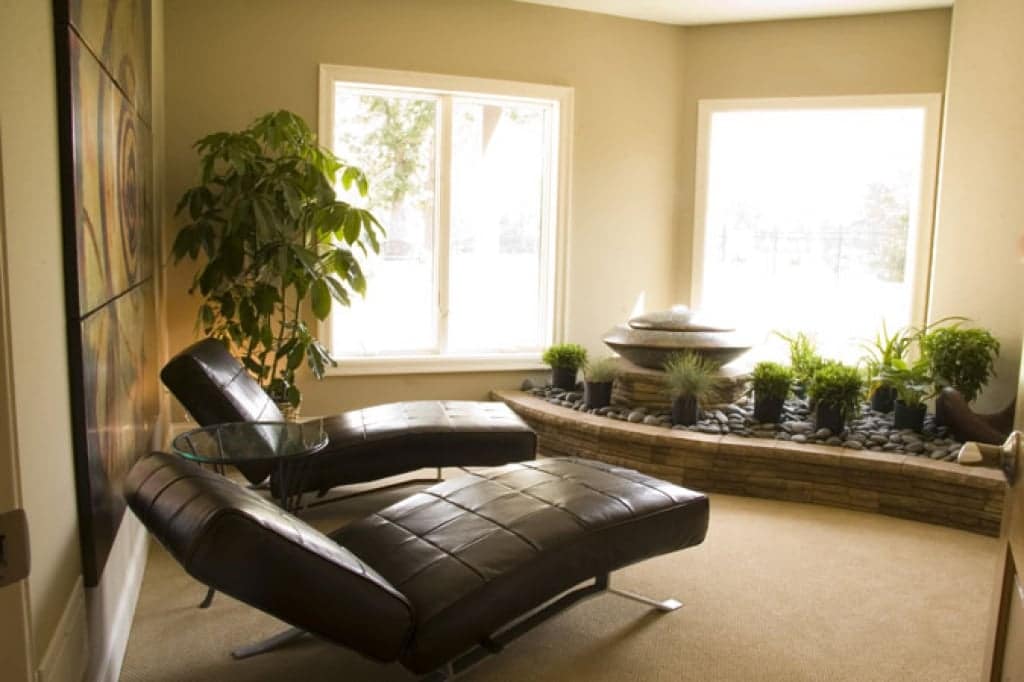
What’s Driving the Trend Toward Relaxing Interiors
The move toward relaxing interiors is shaped by lifestyle changes, cultural influences, and health awareness.
- Mental health awareness has become central. More people understand how environments affect mood and are actively choosing interiors that support well-being. Studies link natural light, thoughtful layouts, and the use of nature indoors to lower stress and improved psychological comfort.
- Remote work and hybrid lifestyles mean homes now serve multiple functions—office, gym, family hub, and retreat. With so much activity, people need at least one area designed purely for rest.
- Social influence is powerful. Platforms like Instagram and Pinterest highlight calming, intentional design styles, making them aspirational yet attainable. This explains the rise of dopamine décor and warm minimalism.
Key Interior Design Ideas That Promote Relaxation
1. Japandi and Midimalism: Quiet Forms, Warm Character
Japandi blends Japanese wabi-sabi philosophy with Scandinavian minimalism. It prioritizes clean lines, natural materials, and earthy tones. Unlike cold minimalism, Japandi introduces warmth through wood, linen, and bamboo.
Midimalism—a balance between minimalism and maximalism—offers just enough character without excess. Midimalist interiors highlight one or two statement pieces while maintaining overall simplicity.
Both reduce visual noise, encourage spatial flow, and help a room breathe, which is essential for mental calm.
2. Dopamine Décor: Color and Joy as Relaxation
Calm doesn’t always mean beige. Dopamine décor has emerged as a trend that proves boldness can also relax—when applied intentionally. Bright accents, playful patterns, and varied textures can bring emotional ease, especially in contrast to a neutral base.
Practical ideas include:
- Choosing one joyful color, like teal or mustard, as an accent across pillows or rugs
- Adding patterned wallpaper on a single wall
- Mixing textures such as velvet, linen, and wood for sensory depth
When balanced, dopamine décor creates joy without overwhelming the senses.
3. Earth Tones and Warm Neutrals
For 2025, the move is away from stark greys toward earth tones like clay, terracotta, olive green, and chocolate brown. These tones mimic nature and feel grounding. Warm neutrals also make small spaces more welcoming, which is especially relevant in urban apartments.
Pair these hues with raw materials like stone countertops, wicker chairs, or clay pottery. Not only do these create aesthetic warmth, but they also encourage a tactile connection to nature.
4. Biophilic Design: Nature as Restorative Force
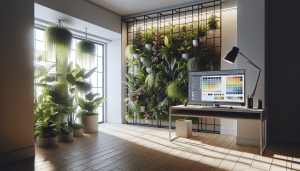
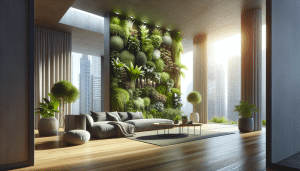
Biophilic design remains one of the strongest movements in home interiors. The concept integrates natural elements to promote relaxation and wellness. Evidence suggests it reduces stress and improves both air quality and mood.
How to apply biophilic design:
- Light: maximize daylight with sheer curtains and reflective surfaces.
- Plants: even a few low-maintenance species, such as snake plants or pothos, can make a room feel alive.
- Natural shapes: curved furniture and organic edges mimic the calming qualities of nature.
- Materials: untreated wood, wool, or clay add authenticity.
5. Texture and Layering for Comfort
Texture is one of the simplest ways to add calm. Imagine a wool throw on a linen sofa, a woven rug underfoot, or a bouclé chair near a velvet cushion. These combinations make a space feel tactile and comforting.
Layering applies to more than fabrics. Layered lighting—mixing overhead lights with table lamps and wall sconces—creates depth. Layered colors, too, prevent monotony and add richness without chaos.
6. Functional Minimalism and Decluttering
Even the most stylish room feels stressful if it’s cluttered. Functional minimalism emphasizes storage and multi-use furniture to keep things tidy.
- Use furniture with hidden compartments
- Rotate décor instead of displaying everything at once
- Arrange rooms for easy flow, avoiding obstacles in walkways
Decluttering isn’t about owning less—it’s about keeping what adds value and removing distractions. Research shows tidy spaces directly improve calm and focus.
How to Apply These Ideas: A Step-by-Step Guide
- Audit Your Current Home
Walk through each room and identify what feels stressful—harsh lighting, clutter, or noisy color combinations. - Pick One or Two Principles
Starting small is more sustainable. You might focus on lighting and plants first before repainting entire rooms. - Update Lighting
Replace cold bulbs with warm ones. Add dimmers to adjust mood easily. Incorporate lamps for layered lighting. - Bring Nature Inside
Place plants strategically in living rooms or kitchens. Choose natural wood or clay accessories to reinforce grounding. - Introduce Texture
Swap synthetic fabrics for cotton, wool, or linen. Add layered rugs or textured cushions for depth. - Use Dopamine Décor Accents
Add a bold art print, a colorful lamp, or patterned bedding to bring joy while keeping balance. - Declutter and Organize
Invest in concealed storage. Donate or recycle items that don’t serve purpose or comfort.
Why Relaxation-Focused Design Matters
Design isn’t just visual—it shapes how we feel. A relaxing home reduces stress, improves sleep, and creates a better environment for connection with family and friends. Beyond aesthetics, it’s about designing for well-being.
By implementing interior design ideas that promote relaxation, homeowners are investing in long-term comfort and mental health. The trend shows no signs of slowing down, with designers and homeowners alike recognizing that true luxury lies in spaces that restore, not just impress.
Conclusion
Relaxation in interior design isn’t tied to one style but to intention. Whether it’s the quiet balance of Japandi, the joy of dopamine décor, the grounding tones of earth colors, or the soothing greenery of biophilic design, the path to calm living is personal yet accessible. Start small with lighting, decluttering, or texture, and gradually build a home that supports peace of mind.
References
- Southern Living. (2024). Interior designers share the 2025 trends shaping relaxing home spaces. Available at: https://www.southernliving.com (Accessed: 22 September 2025)
- ScienceDirect. (2021). The restorative benefits of biophilic design in interior spaces. Available at: https://www.sciencedirect.com (Accessed: 22 September 2025)
- Vogue. (2024). What is Japandi style? The design trend explained. Available at: https://www.vogue.com (Accessed: 22 September 2025)

 Fitness Practices That Improve Flexibility and Mobility