Interior Design Ideas That Promote Comfort and Productivity
Henry Caldwell September 24, 2025
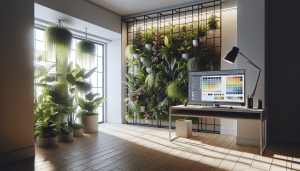
With the rise of remote work and the blurred lines between home and office spaces, interior design has evolved to meet the demands of comfort and productivity. An increasing number of homeowners and designers are now turning their attention to creating spaces that not only look good but also support mental well-being and efficient work. One of the most prominent trends is integrating natural elements into home offices. Whether through biophilic design, natural lighting, or plants, bringing nature indoors is proving to have profound benefits for both comfort and productivity.
Why Nature Matters in Interior Design
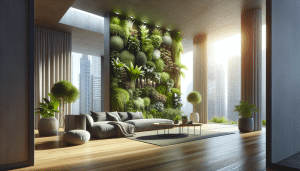
The concept of biophilic design—where nature is integrated into the built environment—has gained traction in recent years. According to studies, people who work in spaces that feature natural elements like plants or large windows with scenic views of nature report feeling less stressed and more productive. This connection with nature helps to reduce mental fatigue and fosters a more positive emotional state, making it easier to focus and engage in tasks.
1. Incorporate Natural Lighting
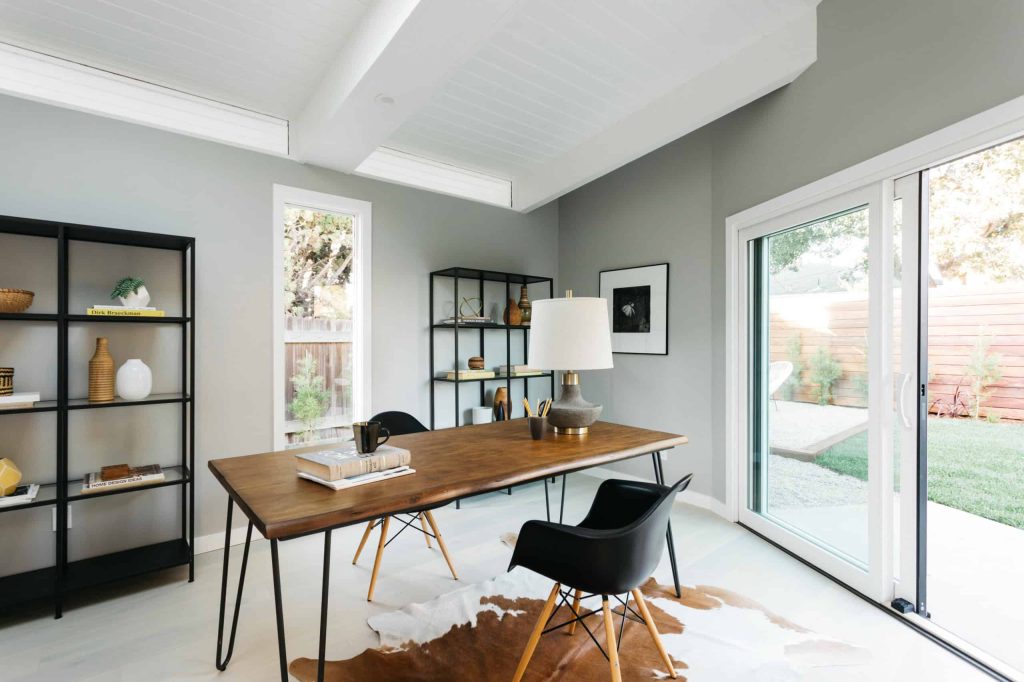
Natural light is one of the easiest and most effective ways to increase comfort and productivity in a workspace. Exposure to natural light helps regulate the body’s circadian rhythms, improving mood and energy levels. Studies have shown that natural lighting can reduce eye strain, headaches, and fatigue associated with artificial lighting. If your workspace is lacking in windows, consider investing in light therapy lamps that simulate natural daylight to boost your well-being.
2. Bring the Outdoors In: Plants and Greenery
Plants are more than just decorative elements—they can significantly enhance air quality and promote relaxation. Indoor plants, such as succulents, snake plants, or peace lilies, can be strategically placed around your workspace to create a soothing atmosphere. Studies reveal that having plants around can reduce stress levels and even improve cognitive function. For a small investment, you can transform your workspace into a lush, green environment that promotes both comfort and focus.
3. Use Natural Materials for Furniture and Decor
Integrating natural materials such as wood, stone, and cotton into your office furniture and decor not only adds aesthetic appeal but also promotes sustainability and comfort. Wooden desks and ergonomic chairs made from natural materials provide a more organic feel that can make the space feel warmer and more inviting. Consider opting for neutral tones like beige, brown, and grey to create a calming and harmonious environment.
4. Create a Comfortable, Personalized Workspace
Comfort is key to productivity. When designing your workspace, make sure that your desk and chair are ergonomically designed to support long hours of sitting. Adjustable desks, which allow you to alternate between sitting and standing, are an excellent investment for your comfort and health. Additionally, personalizing your space with items that make you feel at ease—whether that’s a favorite piece of art, a cozy throw blanket, or a scented candle—can contribute to a more comfortable, productive environment.
5. Promote Movement and Flow
Another important element in a productive workspace is the ability to move freely. Ensuring that your office layout is open and easy to navigate can help reduce feelings of stress and anxiety. Avoid clutter, and instead use simple storage solutions to keep your workspace neat. A clean and organized space helps clear your mind, allowing you to focus more on the tasks at hand. Having a space that facilitates movement is essential for maintaining both physical and mental well-being.
6. Enhance Your Space with Color
Colors can have a significant impact on mood and productivity. Shades of green and blue are known to promote calmness and focus, making them ideal choices for a home office. If you want to add energy to your space, opt for accents in colors like yellow or orange, which are known to stimulate creativity and positivity. You can experiment with wall colors, throw pillows, or even a vibrant desk lamp to enhance your space’s ambiance.
7. Consider Multi-Functional Spaces
In the modern home, it’s essential to make the most of every square foot. A home office should be a space that can adapt to your needs throughout the day. A desk that doubles as a dining table or a chair that serves as both a comfortable spot for relaxation and a functional workspace can help you get the most out of your living area. Multi-functional furniture helps maintain a sense of openness and prevents the space from feeling cluttered or restricted.
8. Sound Control: Using Acoustic Design for Focus
Another often overlooked aspect of creating a comfortable, productive space is controlling sound. Noise can be a significant distraction, so it’s essential to consider soundproofing or using sound-absorbing materials. Acoustic panels or soft furnishings such as rugs and cushions can help reduce noise levels and improve the overall acoustic environment. If external noise is unavoidable, noise-canceling headphones or calming background music can further enhance focus and productivity.
Conclusion:
As the lines between home and office continue to blur, interior design has become more important than ever in promoting both comfort and productivity. By integrating natural elements, optimizing lighting, and creating a personalized and functional space, you can enhance your well-being and focus. The shift towards nature-infused, multi-functional workspaces is a powerful way to create an environment that supports your personal and professional growth. So, whether you’re working from home or simply looking to refresh your space, consider these tips to transform your workspace into a sanctuary of comfort and productivity. Remember, small changes like incorporating plants or adjusting lighting can lead to big improvements in your daily routine. Your workspace should be an inspiring place that fosters creativity and efficiency.
References
- Garrison, K. (2022). The benefits of biophilic design in the workplace: Why natural elements improve productivity. Available at: https://www.urbandesigninternational.com (Accessed: 24 September 2025)
- Fisher, P. (2021). How natural lighting impacts mental health and productivity. Available at: https://www.jenvpsych.com (Accessed: 24 September 2025)
- Smith, A., & Johnson, L. (2023). The power of plants: Enhancing productivity through biophilic office design. Available at: https://www.officetrends.com (Accessed: 24 September 2025)

 Fitness Routines That Fit into Any Lifestyle