Interior Design Ideas That Maximize Functionality
Henry Caldwell September 30, 2025
Maximizing functionality in your home is one of the hottest interior design trends in 2025. With the right design strategies, you can create spaces that are stylish, flexible, and highly practical.
Why Functionality Is the New Luxury
Homeowners today want spaces that work as hard as they do. A well-designed functional home blends aesthetics with usability, offering storage solutions, flexible layouts, and multi-purpose features.
According to a 2023 survey by Houzz, 77% of homeowners remodeling their spaces cited functionality as their top priority (Houzz 2023). This marks a major shift from design trends of the past decade, where style was often prioritized over practicality.
The pandemic also changed how people view their homes. A dining table is no longer just for meals—it might double as a home office desk, a kids’ homework station, or even a place to host virtual meetings.
The Rise of Flexible Living
With remote work and hybrid lifestyles, spaces that adapt to multiple needs—work, leisure, fitness, and family life—are highly sought after. Designers are increasingly focusing on multi-purpose furniture and modular layouts to deliver maximum flexibility.
For example, a living room can easily transform into a home theater with pull-down projectors, blackout shades, and modular seating. Similarly, spare bedrooms are being designed with convertible desks and fold-away beds to seamlessly serve as both offices and guest rooms.
This flexibility allows people to make the most of limited square footage without sacrificing comfort or aesthetics.
Multi-Purpose Furniture: Small Investment, Big Impact
One of the fastest-growing interior design solutions is multi-purpose furniture. It allows people to maximize space without clutter.
- Sofa beds and storage ottomans: These combine comfort with hidden storage, making them ideal for smaller homes.
- Expandable dining tables: Perfect for compact apartments, they expand only when needed.
- Murphy beds and wall desks: These maximize square footage without sacrificing design.
A 2024 Statista report revealed that the demand for multi-functional furniture has grown by 23% in the past two years, particularly in urban areas (Statista 2024). Designers are also integrating tech into furniture, like coffee tables with wireless charging stations or couches with built-in USB ports.
Built-In Storage: The Secret to Clutter-Free Homes
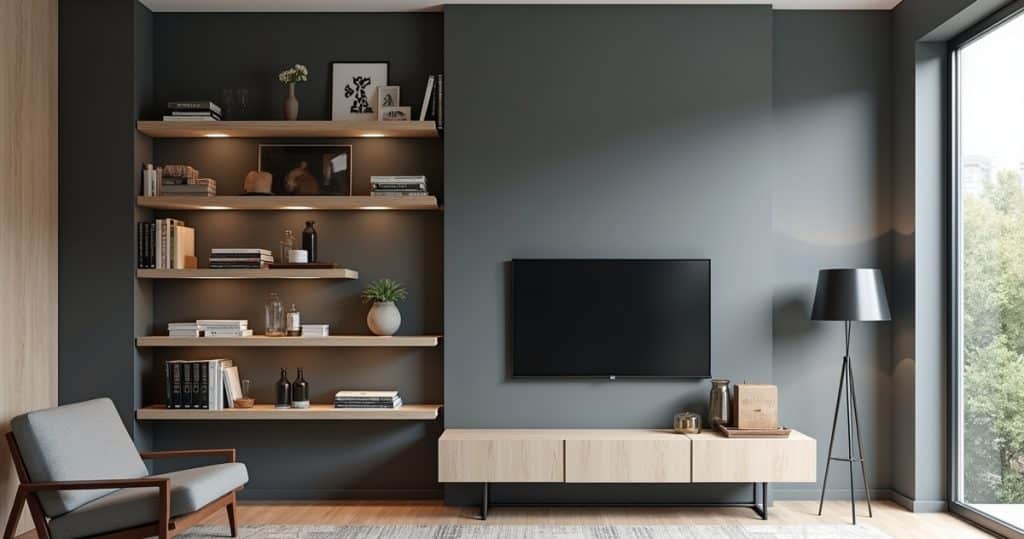
Smart storage is at the core of functional design. Instead of bulky standalone cabinets, built-in storage options offer seamless organization.
Some popular built-in solutions include:
- Under-stair drawers that take advantage of unused space.
- Bench seating with hidden compartments, perfect for kitchens or entryways.
- Custom shelving units designed to fit awkward nooks.
Architectural Digest notes that integrated storage adds both style and practicality, reducing visual clutter while enhancing flow in a home (Architectural Digest 2023).
Homeowners are increasingly investing in custom cabinetry because it boosts property value while solving daily frustrations.
Open-Concept Layouts with Defined Zones
While open-concept living remains popular, homeowners are now creating defined zones for better functionality.
Instead of one large undefined space, subtle design choices are used to mark transitions between areas.
- Glass dividers separate workspaces without blocking natural light.
- Area rugs visually define dining vs. living areas.
- Sliding panels or partitions allow privacy when needed.
This approach maintains the airy feel of open layouts while adding the structure required for multi-use living.
Smart Technology Integration
Functionality now extends beyond physical design into smart home technology.
- Voice-controlled lighting creates convenience while reducing energy waste.
- Smart thermostats adapt to daily routines, optimizing comfort and efficiency.
- Automated window shades improve privacy and regulate indoor temperatures.
A Deloitte 2023 study found that 54% of U.S. households now use at least one smart home device (Deloitte 2023). Designers are predicting that integration will become standard, with future homes built “smart-ready.”
Minimalism with a Purpose
Minimalist design continues to dominate, but the new wave focuses on functional minimalism. It’s not just about having fewer items but ensuring every piece serves a clear purpose.
- Neutral palettes create calm, distraction-free environments.
- Furniture doubles as both decorative and practical.
- Natural materials like wood and stone add timeless appeal.
Instead of empty spaces, functional minimalism encourages intentionality—choosing items that serve everyday life without clutter.
The Kitchen: The Hub of Functional Living
Kitchens are evolving into multi-functional hubs where cooking, socializing, and even working all take place.
- Pull-out pantry systems save space while keeping essentials accessible.
- Kitchen islands with hidden outlets double as workspaces for laptops or homework.
- Convertible dining counters switch from breakfast bar to home office.
The National Kitchen & Bath Association identified multifunctional kitchens as the top remodeling trend for 2025 (NKBA 2024). More homeowners are also opting for induction cooktops for efficiency and safety, and installing integrated recycling stations to encourage sustainable living.
Sustainable and Functional Design
Sustainability is no longer just an option—it’s expected. Functional design now embraces eco-friendly materials and energy-efficient solutions.
- Bamboo and reclaimed wood furniture for durability.
- Energy-efficient appliances and LED lighting for cost savings.
- Natural ventilation and biophilic design to improve indoor air quality.
This “green functionality” trend resonates especially with younger homeowners, who want spaces that reduce environmental impact while offering long-term durability.
Bedroom Functionality: A Space That Works for Rest & Beyond
Bedrooms are no longer just for sleeping—they’re evolving into personal retreats.
- Fold-away desks transform bedrooms into remote workstations.
- Built-in wardrobes with lighting improve efficiency and reduce clutter.
- Multi-layered window treatments provide light control and privacy.
A well-designed bedroom not only enhances rest but also supports daily routines like meditation, reading, or even fitness.
Bathrooms as Wellness Spaces
Modern bathrooms are merging spa-like comfort with practicality.
- Floating vanities with storage keep essentials hidden.
- Walk-in showers with built-in niches for shampoos and soaps.
- Smart mirrors with lighting, defogging, and health tracking features.
Wellness-inspired bathrooms with integrated functionality are increasingly seen as a selling point in real estate listings, as buyers value both luxury and utility.
Conclusion: Functionality Is the Future of Home Design
Maximizing functionality is more than a trend—it’s shaping how we live. From multi-purpose furniture to tech-integrated smart homes, interior design is evolving into a blend of style, practicality, and sustainability.
By focusing on functionality, you don’t just create a beautiful space—you create a home that works for your lifestyle today and adapts to the needs of tomorrow.
References
- Houzz (2023) Home Design Trends Study. Available at: https://www.houzz.com (Accessed: 30 September 2025).
- Statista (2024) Furniture Market Outlook 2024. Available at: https://www.statista.com (Accessed: 30 September 2025).
- Architectural Digest (2023) Storage Trends for Modern Homes. Available at: https://www.architecturaldigest.com (Accessed: 30 September 2025).

 Fitness Practices That Support Daily Activity