Interior Design Ideas That Enhance Creativity
Henry Caldwell September 26, 2025
In 2025, interior design has evolved beyond mere aesthetics to become a catalyst for creativity and well-being. Homeowners and designers alike are embracing spaces that inspire, stimulate, and support mental clarity. Whether you’re an artist, a remote worker, or someone seeking a more imaginative living environment, the right design choices can transform your home into a creative haven.
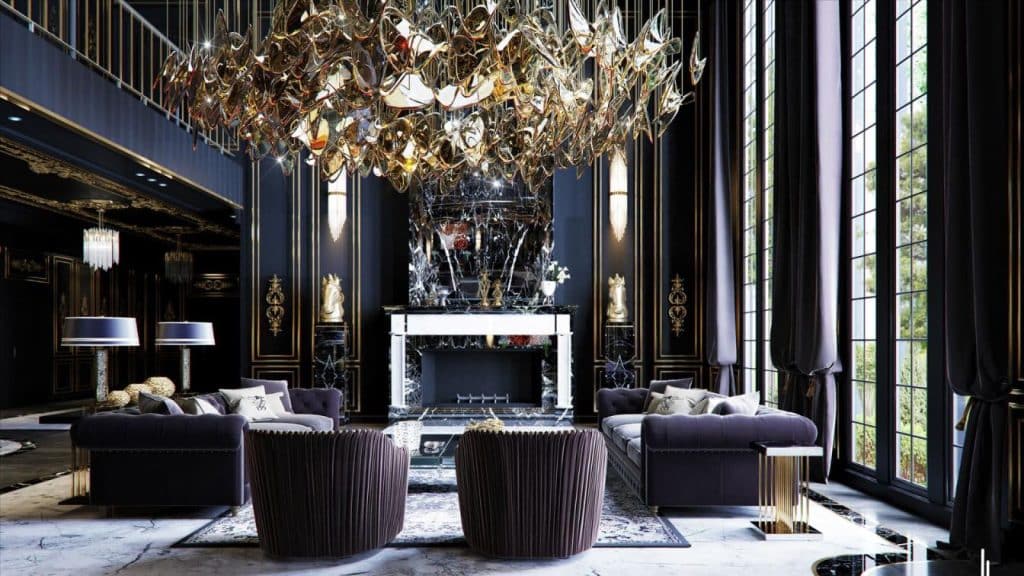
The Intersection of Interior Design and Creativity
The spaces we inhabit profoundly influence our thoughts and emotions. Research indicates that thoughtfully designed environments can enhance cognitive function, boost mood, and foster creativity. Elements such as color, lighting, layout, and texture play pivotal roles in shaping our mental states.
As we delve into the current trends, we’ll explore how these design elements are being utilized to cultivate creativity in home interiors.
1. Earthy Tones and Natural Materials
A shift towards earthy tones and natural materials is prominent in 2025. Colors like terracotta, olive green, and warm browns create a grounded atmosphere that promotes focus and tranquility. Materials such as reclaimed wood, stone, and organic textiles not only add aesthetic value but also connect occupants to nature, fostering a sense of calm conducive to creative thinking.
How to Incorporate Earthy Tones:
- Wall Colors: Opt for shades like deep greens or warm neutrals to create a soothing backdrop.
- Furniture: Choose pieces made from natural materials like wood or stone.
- Accents: Introduce textiles in earthy hues, such as terracotta cushions or olive green rugs.
2. Biophilic Design: Bringing Nature Indoors
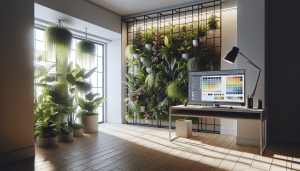
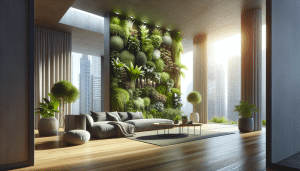
Biophilic design, which integrates natural elements into indoor spaces, continues to gain traction. Incorporating plants, natural light, and organic materials not only enhances the aesthetic appeal but also improves air quality and reduces stress, thereby boosting creativity.
Tips for Implementing Biophilic Design:
- Indoor Plants: Place plants like snake plants or fiddle-leaf figs in various corners.
- Natural Lighting: Maximize window spaces to allow ample natural light.
- Materials: Use wood, bamboo, and stone in furniture and decor.
3. Multifunctional Spaces
With the rise of remote work and flexible lifestyles, multifunctional spaces have become essential. Designing areas that serve multiple purposes—such as a home office that doubles as a creative studio—can stimulate different modes of thinking and enhance productivity.
Strategies for Creating Multifunctional Spaces:
- Modular Furniture: Use pieces that can be easily reconfigured.
- Zoning: Define areas for specific activities using rugs or lighting.
- Storage Solutions: Incorporate hidden storage to reduce clutter.
4. Bold Patterns and Textures
In 2025, there’s a resurgence of bold patterns and textures. Vibrant wallpapers, intricate tile designs, and layered textiles add depth and personality to interiors, encouraging creative expression.
Ways to Integrate Bold Patterns:
- Accent Walls: Choose a wall to feature a bold wallpaper or paint pattern.
- Textiles: Incorporate patterned cushions, throws, or rugs.
- Tiles: Use patterned tiles in kitchens or bathrooms for a creative touch.
5. Smart Home Integration
Technology seamlessly integrates into modern interiors, enhancing functionality without compromising design. Smart lighting, voice-controlled assistants, and automated climate control systems contribute to a comfortable environment that can adapt to various creative needs.
Smart Home Features to Consider:
- Lighting: Install smart bulbs that adjust brightness and color.
- Climate Control: Use smart thermostats to maintain an optimal environment.
- Automation: Set routines for lighting and climate based on activities.
6. Personalized Spaces
Personalization allows individuals to express their identity and passions through their living spaces. Incorporating personal artifacts, artwork, and meaningful objects can inspire creativity and make a space uniquely one’s own.
Tips for Personalizing Your Space:
- Artwork: Display pieces that resonate with you emotionally.
- Collections: Showcase collections or heirlooms that tell a story.
- DIY Projects: Engage in creative projects to produce custom decor items.
7. Minimalist with a Cozy Twist
Minimalism continues to influence design, but with a focus on warmth and comfort. Clean lines and uncluttered spaces are complemented by cozy textiles and warm lighting, creating an environment that fosters clarity and creativity.
Achieving a Cozy Minimalist Look:
- Neutral Palettes: Use soft, neutral colors for walls and furniture.
- Comfortable Textiles: Incorporate plush cushions and throws.
- Lighting: Utilize soft, ambient lighting to create a warm atmosphere.
8. Adaptive Reuse and Sustainability
Sustainability remains a significant consideration in interior design. Repurposing existing furniture and materials not only reduces environmental impact but also adds character and uniqueness to a space, encouraging creative thinking.
Sustainable Design Practices:
- Upcycling: Refurbish old furniture instead of discarding it.
- Materials: Choose sustainable materials like bamboo or recycled products.
- Local Sourcing: Support local artisans and craftsmen for unique pieces.
9. Artful Lighting
Lighting is more than a functional element; it serves as a design feature that can influence mood and creativity. Artful lighting fixtures, such as sculptural lamps or chandeliers, can serve as focal points and inspire imaginative thinking.
Creative Lighting Ideas:
- Statement Fixtures: Install unique lighting pieces that draw attention.
- Layered Lighting: Combine ambient, task, and accent lighting for versatility.
- Natural Light: Maximize the use of natural light through window treatments.
10. Wellness Spaces
Designing spaces that promote well-being is integral to fostering creativity. Incorporating elements like meditation corners, yoga spaces, or reading nooks can provide areas for relaxation and mental rejuvenation, essential for creative processes.
Creating a Wellness Space:
- Quiet Zones: Designate areas for meditation or reading.
- Comfortable Seating: Use ergonomic furniture that encourages relaxation.
- Natural Elements: Include plants and natural materials to enhance tranquility.
Conclusion
In 2025, interior design is centered on creating environments that nurture creativity, well-being, and personal expression. By integrating elements such as earthy tones, biophilic design, multifunctional spaces, and personalized decor, homeowners can craft spaces that inspire and support their creative endeavors. Embracing these trends not only enhances the aesthetic appeal of a home but also contributes to a more fulfilling and imaginative lifestyle. Additionally, thoughtful design encourages mindfulness, reduces stress, and promotes mental clarity, making it easier to focus, generate new ideas, and approach challenges with innovative solutions. Investing in creativity-focused interiors can transform daily routines into moments of inspiration and motivation.
References
- Andreaschumacherinteriors. (2025). Exploring 2025 interior design trends. Available at: https://www.andreaschumacherinteriors.com (Accessed: 26 September 2025)
- Aartaa Decor. (2025). Top 2025 interior design trends for luxury homes. Available at: 26, 2025, from https://www.aartaadecor.com (Accessed: 26 September 2025)
- Decorilla. (2025). Interior design trends 2025: What’s in and what’s out. Available at: 26, 2025, from https://www.decorilla.com (Accessed: 26 September 2025)

 Nutrition Tips That Support Long-Term Health