Gardening Techniques That Improve Garden Yield
Henry Caldwell September 22, 2025
In 2025, gardeners are increasingly looking for ways to maximize productivity while dealing with limited space, water shortages, and changing climate conditions. Traditional soil methods alone often struggle to meet these demands. That’s why two innovative approaches—hydroponics and companion planting yield techniques—are taking center stage in both backyard gardens and urban farms. These methods are not only improving harvest size but also making gardens more sustainable and resilient.
This article explores how hydroponics and companion planting work, why they are trending, and how you can apply them effectively to boost your own garden yield.
Why Hydroponics and Companion Planting Are Rising in Popularity
Several factors are driving the adoption of these methods:
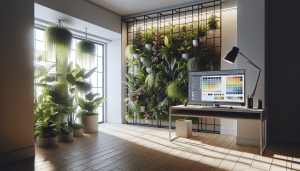
- Urbanization and smaller living spaces: With more people moving into cities, space for gardening is shrinking. Vertical hydroponics systems and companion planting strategies allow higher yields in small areas.
- Climate pressures and resource limits: Drought, irregular rainfall, and poor soil quality are making gardeners turn to methods that conserve water and maintain soil health.
- Renewed focus on sustainability: Consumers and growers alike are looking for ways to produce food with fewer chemical inputs, less waste, and better nutrient balance.
Together, hydroponics and companion planting are seen as complementary solutions that address these challenges directly.
Hydroponics: Gardening Without Soil
Hydroponics is the practice of growing plants without soil, using nutrient-rich water solutions instead. While the concept has been around for decades, modern technology has made it more accessible and effective for home gardeners.
Key Benefits of Hydroponics
- Higher yields per square foot
Plants grown hydroponically often experience faster growth and larger harvests due to direct access to nutrients. - Water efficiency
Hydroponics uses up to 90 percent less water compared to traditional soil gardening, making it ideal for regions facing drought or high water costs. - Pest and weed reduction
By eliminating soil, hydroponics reduces exposure to many common pests and weeds, lowering the need for chemical interventions. - Space optimization
Vertical hydroponic systems, such as towers and racks, allow gardeners to multiply their growing area without needing additional land.
Hydroponics Trends in 2025
- Passive hydroponic systems: Simple methods like the Kratky technique are becoming popular for beginners. These systems don’t require pumps or electricity, making them low-maintenance and cost-effective.
- Smart hydroponics: Affordable sensors for pH, nutrient levels, and water conditions are being integrated into home setups, allowing gardeners to monitor and adjust conditions with smartphone apps.
- Organic nutrient solutions: New formulations made from natural inputs are replacing synthetic fertilizers, giving gardeners eco-friendly options that support long-term sustainability.
- Integration with indoor gardening: Combining hydroponics with LED grow lights is making it possible to grow vegetables year-round, regardless of outdoor conditions.
Companion Planting: Nature’s Teamwork
Companion planting is an age-old technique where different plants are grown together to support each other’s growth. In 2025, this method is gaining renewed attention because of new research into plant interactions, soil microbiomes, and sustainable farming.
How Companion Planting Improves Yield
- Pest control
Certain plants repel pests that would otherwise damage neighboring crops. For example, marigolds deter nematodes, while basil can help reduce pests near tomatoes. - Nutrient sharing
Legumes such as beans fix nitrogen in the soil, providing essential nutrients for crops like corn or leafy greens. - Microclimate creation
Taller plants like corn can provide shade for heat-sensitive crops, while ground covers like squash reduce soil evaporation and weed growth. - Pollination support
Flowers such as sunflowers or lavender attract pollinators, ensuring better fruit set in crops like cucumbers and peppers.
Modern Applications of Companion Planting
- Scientific validation: Recent studies confirm that pairing crops strategically leads to measurable increases in yield and reductions in pest pressure.
- Integration with raised beds and containers: Urban and suburban gardeners are experimenting with companion planting even in small-scale setups like patio containers.
- Polyculture gardens: Instead of monocultures, many gardeners are adopting diverse plant groupings, mimicking natural ecosystems for better resilience.
- Crop rotation planning: Companion planting is often combined with crop rotation to further protect soil health and avoid nutrient depletion.
Combining Hydroponics and Companion Planting
While hydroponics and companion planting may seem like very different approaches, gardeners are finding ways to merge the two. Some hydroponic growers are experimenting with intercropping—growing more than one plant species in the same system—to harness the benefits of companion planting. For example, basil is often grown alongside lettuce in hydroponic setups because it enhances flavor and helps deter pests.
This hybrid approach is still new, but it highlights the flexibility of modern gardening techniques and the potential to create even greater yields with fewer inputs.
Practical Tips for Gardeners
If you’re ready to try these methods, here are some actionable steps to get started:
Starting with Hydroponics
- Begin with a simple system like a Kratky container to grow leafy greens such as lettuce, kale, or spinach.
- Invest in basic pH and nutrient test kits to ensure water conditions remain optimal.
- Use vertical racks if space is limited, allowing you to grow more plants in the same footprint.
- Consider LED grow lights if you want to garden indoors year-round.
Starting with Companion Planting
- Plant tomatoes with basil to improve flavor and deter pests.
- Pair beans with corn or leafy greens to enrich the soil with nitrogen.
- Add pollinator-friendly flowers near vegetable beds to increase yields.
- Avoid known bad combinations, such as onions and beans, which can stunt each other’s growth.
The Future of Garden Yield
As food costs rise and climate challenges intensify, techniques like hydroponics and companion planting will become even more relevant. They not only improve garden yield but also support sustainability and resilience. Gardeners in 2025 are no longer choosing between tradition and technology—they are combining the best of both worlds to create efficient, productive, and environmentally conscious gardens.
Whether you’re a backyard hobbyist or an urban grower, experimenting with hydroponics and companion planting yield techniques can transform your harvest and ensure your gardening practices remain future-ready.
References
- Tara, K. et al. (2024). Companion planting and its role in sustainable production of vegetables. Available at: https://www.researchgate.net (Accessed: 22 September 2025)
- United States Department of Agriculture (USDA). (2024). Vertical farming: No longer a futuristic concept. Available at: https://www.ars.usda.gov (Accessed: 22 September 2025)
- Farmonaut. (2025). Advanced hydroponic systems: Build towers, go organic. Available at: https://farmonaut.com (Accessed: 22 September 2025)

 Interior Organization Ideas That Boost Productivity