How Cultural Events Foster Community Engagement
Ethan Delgado September 18, 2025
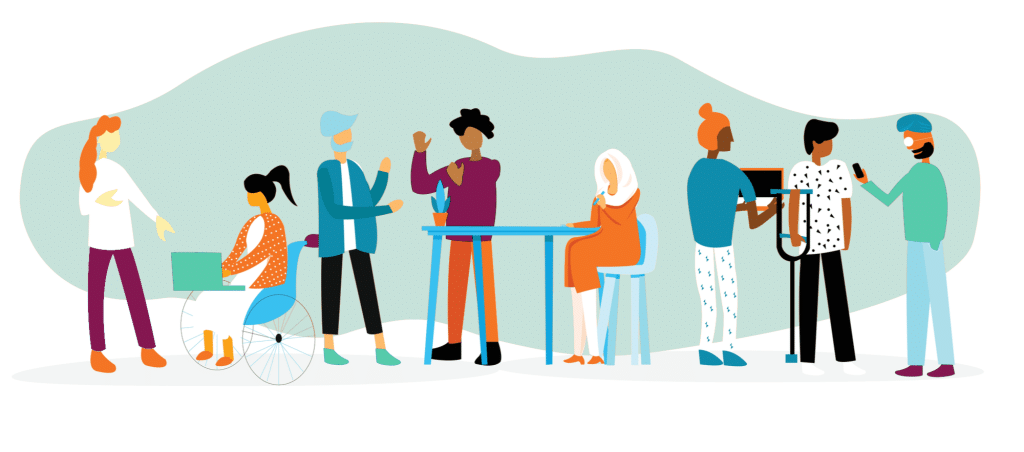
Cultural events foster community engagement by promoting unity, inclusivity, and social change, creating spaces for diverse cultural exchange.
The Role of Cultural Events in Building Community
Cultural events are far more than just opportunities for entertainment. They play an essential role in building social cohesion by bringing people from various backgrounds together. These events offer communities a platform to celebrate traditions, share experiences, and develop new connections. They also encourage local participation, provide opportunities for economic growth, and help preserve cultural heritage.
Cultural Pride and Identity:
At the heart of many cultural events is the celebration of cultural identity. Cultural events foster pride and unity, bridging divides in multicultural communities by helping individuals appreciate each other’s traditions.
Promoting Social Cohesion:
Cultural events serve as powerful tools for social cohesion by bringing individuals from different walks of life together. They create an inclusive atmosphere where people can share in the joy of music, art, food, and other forms of cultural expression. These shared experiences help to break down barriers between groups and foster mutual respect and understanding. In multicultural societies, where misunderstandings and tensions can arise, cultural events are essential in creating bonds and strengthening community ties.
Economic and Local Impact:
On a practical level, cultural events are an economic boon for local communities. Festivals, markets, and performances often attract visitors, providing a significant boost to local businesses such as restaurants, hotels, and shops. According to the National Endowment for the Arts, cultural tourism contributes billions of dollars to the economy annually. These events create jobs for artists, performers, technicians, and organizers, driving job creation and economic growth in the community.
Emerging Trends in Cultural Events
Recent trends in cultural events reflect society’s evolving needs, enhancing their role in community engagement and meeting modern demands.
Hybrid and Virtual Cultural Events:
The COVID-19 pandemic brought about a seismic shift in how we experience cultural events. Due to social distancing, events shifted to virtual or hybrid formats, expanding global accessibility and enabling remote participation.
Inclusive and Diverse Programming:
Another emerging trend is the emphasis on inclusivity in cultural events. Many organizers now prioritize featuring diverse voices, especially those from marginalized communities. Cultural events highlight underrepresented groups, providing a platform for diverse cultural expressions and promoting social justice and equality.
Sustainability in Cultural Events:
With growing concerns about the environment, many cultural events are adopting more sustainable practices. Organizers are now focusing on minimizing their carbon footprints by using eco-friendly materials, reducing waste, and promoting sustainable travel options for attendees. Some events have even incorporated eco-friendly art installations and performances to raise awareness about environmental issues. Sustainability is becoming a core theme of modern cultural gatherings, with an emphasis on reducing environmental impact while fostering community engagement through green initiatives.
How Cultural Events Foster Community Engagement
Cultural events engage the community in several ways, ranging from direct participation to indirect involvement. Here are some of the key ways these events foster engagement:
Cultural Education and Awareness:
Cultural events are excellent opportunities for people to learn about different cultures and histories. From art exhibits that explore the stories of indigenous communities to music festivals that feature traditional instruments from around the world, these events serve as educational tools. As participants immerse themselves in these experiences, they gain a deeper understanding of the cultural significance behind the art, food, and performances. This education fosters greater empathy and respect for cultural diversity, encouraging individuals to engage more thoughtfully with their communities.
Volunteerism and Active Participation:
One of the most direct ways cultural events foster community engagement is through volunteerism. Many events are made possible by the dedication and hard work of community members who volunteer their time to assist with event planning, setup, and execution. This sense of community involvement creates a strong connection between individuals and the event, making them feel more invested in its success. Volunteers often have the opportunity to meet new people, learn new skills, and contribute to the creation of something meaningful. This active participation creates a sense of ownership and pride within the community.
Collaborative Art Projects and Performances:
Many cultural events involve collaborative art projects, where community members of all ages can come together to create something beautiful or perform together. Whether it’s a mural painted by local artists, a community choir performance, or a collaborative dance piece, these activities give participants a sense of collective creativity. Working together to achieve a common goal strengthens relationships and fosters a sense of unity among community members. Collaborative art projects also provide a platform for individuals to express their unique perspectives, enriching the event and the community as a whole.
Case Studies of Successful Cultural Events
The Smithsonian Folklife Festival (USA):
Held annually in Washington, D.C., the Smithsonian Folklife Festival is a prime example of how cultural events foster community engagement. This festival celebrates diverse cultural traditions from around the world and showcases them through performances, crafts, food, and storytelling. The event not only provides a platform for international cultural exchange but also engages local communities by offering educational workshops, interactive experiences, and opportunities for direct involvement.
Carnival in Rio de Janeiro (Brazil):
Carnival is one of the most famous cultural events globally, and it plays a significant role in fostering community engagement in Brazil. The event brings together millions of people from all walks of life, from local residents to international tourists, for a week of music, dance, and celebration. In Rio de Janeiro, local samba schools are at the heart of the festivities, with each school representing different neighborhoods. These schools engage the community through music rehearsals, parades, and cultural performances, creating a powerful sense of local pride and social cohesion.
Conclusion
Cultural events are not just celebrations of heritage and tradition—they are also essential tools for fostering community engagement. By promoting inclusivity, offering educational opportunities, and encouraging active participation, these events create stronger, more connected communities. As they continue to evolve, embracing new trends like virtual platforms and sustainability, cultural events will remain a vital force in shaping and nurturing the social fabric of our society. By participating in and supporting cultural events, individuals help build a more vibrant, inclusive, and engaged community for future generations.
References
- National Endowment for the Arts. (2020). The arts and economic growth. National Endowment for the Arts. Available at: https://www.arts.gov (Accessed: 18 September 2025)
- Smithsonian Institution. (2021). Smithsonian Folklife Festival. Smithsonian Institution. Available at: https://festival.si.edu (Accessed: 18 September 2025)
- Rio de Janeiro Carnival. (2021). History and significance of Rio de Janeiro Carnival. Rio Carnival. Available at: https://www.riocarnival.org (Accessed: 18 September 2025)

 Strategies for Reducing Energy Consumption at Home