Gardening Tips That Improve Outdoor Aesthetics
Henry Caldwell September 19, 2025
When it comes to enhancing the look of your outdoor space, gardening is one of the most rewarding activities you can pursue. Whether you have a small balcony or a sprawling backyard, the right gardening techniques can elevate the aesthetic of your home, making it more welcoming, vibrant, and relaxing. In this article, we will explore gardening tips that not only improve the beauty of your garden but also align with current trends, helping you stay ahead of the curve in outdoor aesthetics.
1. Incorporating Sustainable Gardening Practices
Sustainability is more than just a buzzword—it’s a movement that has significantly impacted gardening practices. Eco-friendly gardening practices can boost the health of your garden while benefiting the environment.
Water-Efficient Techniques
One of the most significant ways to improve your outdoor aesthetics while being environmentally conscious is by reducing water waste. Installing a rainwater harvesting system allows you to collect rainwater for irrigation, reducing your reliance on municipal water. Additionally, using drought-tolerant plants like lavender, succulents, and ornamental grasses not only reduces the amount of water needed but also adds texture and variety to your garden.
Native Plants
Choosing native plants is another sustainable gardening technique that can improve the aesthetics of your outdoor space. Native plants are adapted to the local environment, making them easier to maintain, and they thrive in the local climate. These plants are often more resistant to pests and diseases, reducing the need for harmful pesticides. By incorporating native flowers, shrubs, and trees, you can create a vibrant, low-maintenance garden that supports local wildlife, such as bees and birds, which enhances your garden’s aesthetic appeal .
2. Designing With Color in Mind
One of the simplest ways to make your garden visually striking is by strategically using color. The color palette you choose for your garden can set the tone for your outdoor space, whether you want it to feel calm, vibrant, or cozy.
Bold Contrasts
Using contrasting colors can make your garden pop. Combine plants with bold, vibrant hues like deep purples, bright reds, and yellows against a backdrop of calming greens and neutrals. This creates a dynamic, exciting visual appeal that grabs attention.
Monochromatic Schemes
For a more serene, cohesive look, consider using a monochromatic color scheme. Planting flowers in varying shades of one color, like all blues or purples, can create a harmonious and tranquil feel. This approach is especially effective in smaller spaces where you want to keep the visual flow uniform and simple. For instance, blue hydrangeas or lavender can add elegance to any garden, and they are easy to combine with green foliage for balance.
Accents and Focal Points
Incorporating decorative elements like colorful garden statues, vibrant flower pots, or brightly painted garden furniture can serve as focal points, guiding the eye through the space. These accent pieces add personality and a unique charm to your outdoor decor.
3. Creating Layers for Visual Depth
One of the key principles of design in any garden is layering. By creating layers in your outdoor space, you can add depth and interest, making even the smallest garden feel expansive and lush.
Vertical Gardening
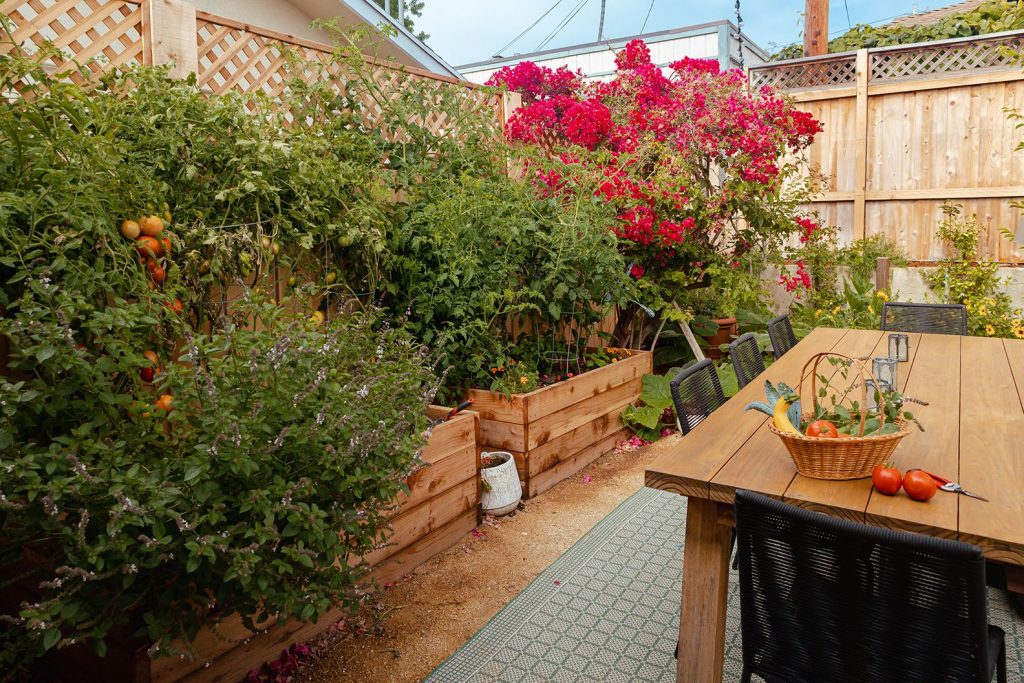
Adding vertical elements to your garden can maximize your space and add a sophisticated look. Trellises, arbors, or climbing plants like ivy or climbing roses can turn bare walls or fences into stunning vertical gardens. This approach can also create natural privacy, which enhances both the aesthetic appeal and functionality of your garden.
Height and Texture Variations
When planting, consider varying the height and texture of your plants. Mix tall trees or shrubs with mid-sized flowering plants and ground cover to create a more natural, layered look. Plants like foxglove or sunflowers can provide height, while shorter plants such as begonias and pansies add colorful pops at ground level. This layering effect creates a sense of depth, making your garden feel more dynamic and inviting.
Hardscaping for Structure
Incorporating hardscape elements like stone pathways, wooden decking, or a rustic fence can help structure your garden. These elements break up the space and provide a contrast to the organic shapes of plants. For example, a stone walkway through a garden of wildflowers can create a charming and picturesque scene. Additionally, well-placed benches or swings can add a functional yet aesthetic touch.
4. Incorporating Garden Lighting
Garden lighting not only extends the usability of your garden into the evening but also creates a magical atmosphere. Proper lighting can highlight the beauty of your plants and hardscaping features, adding an enchanting glow to your outdoor space.
Pathway Lights
Use low-voltage, solar-powered pathway lights to illuminate garden paths or walkways. These lights can add a gentle, inviting glow while also enhancing safety during evening hours. Place them along your garden’s edges or around your water features to create a soft, atmospheric effect.
Spotlights for Focal Points
Spotlights or up-lights can be used to draw attention to key features of your garden, such as sculptures, tall trees, or colorful flower beds. When placed correctly, these lights can add drama and highlight the most visually striking aspects of your outdoor space, creating a focal point that draws the eye.
Ambient Lighting
To create a cozy ambiance, incorporate ambient lighting such as string lights or lanterns. These lights work particularly well in casual seating areas or patios, providing just enough light for socializing without overwhelming the senses. Combine ambient lighting with plants to create an inviting, serene atmosphere perfect for evening relaxation.
5. Adding a Water Feature for Tranquility
Incorporating a water feature, like a pond, fountain, or birdbath, can add a sense of tranquility to your garden while enhancing its aesthetic appeal. The sound of flowing water not only creates a peaceful environment but also attracts wildlife like birds and insects, contributing to the natural beauty of your space.
Fountains and Streams
A small, decorative fountain can bring elegance to any garden, while a larger water feature, such as a stream, can add drama and movement. Place a fountain near seating areas to enjoy the soothing sounds while relaxing or entertaining guests.
Reflective Ponds
If space allows, consider adding a small pond or reflecting pool. These features not only add visual interest but also provide opportunities to grow aquatic plants, such as water lilies, which can complement the aesthetic of the space. Ponds are perfect for creating a serene, meditative spot in your garden, ideal for unwinding after a busy day.
Conclusion
Gardening is an art that allows you to express creativity and enhance the beauty of your outdoor space. By incorporating sustainable gardening practices, designing with color in mind, layering plants for visual depth, adding lighting, and incorporating water features, you can create a stunning garden that elevates your home’s overall aesthetic. Whether you’re transforming a small patio or an expansive backyard, these tips will help you create a beautiful, harmonious outdoor environment.
References:
- The National Gardening Association. “Why Native Plants Are Important.” Available at: https://ngb.org (Accessed: 19 September 2025)
- Gardening Know How. “Sustainable Gardening Practices for Beginners.” Available at: https://www.gardeningknowhow.com (Accessed: 19 September 2025)
- Fine Gardening. “Using Color in Garden Design.” Available at: https://www.finegardening.com (Accessed: 19 September 2025)

 Travel Destinations That Highlight Local Cuisine