Gardening Tips That Enhance Outdoor Spaces
Henry Caldwell September 23, 2025
Gardening is no longer just about growing flowers or vegetables—it’s become an art form. In recent years, gardeners and homeowners have sought new and innovative ways to enhance their outdoor spaces, not just for beauty, but for sustainability and functionality. Whether you’re a seasoned gardener or a novice looking to create a stylish outdoor retreat, this article explores the current gardening trends that are transforming outdoor spaces, from vertical gardens to eco-friendly landscaping and everything in between.
1. Sustainable Gardening: A Growing Trend
Sustainability is at the forefront of modern gardening. With increasing awareness of climate change and environmental issues, more homeowners are adopting eco-friendly gardening practices. Sustainable gardening not only reduces your carbon footprint but also contributes to the health of the planet. Here are some ways you can make your garden more sustainable:
- Rainwater Harvesting: Installing rainwater harvesting systems is one of the best ways to conserve water. Rainwater can be stored in barrels or tanks and used to water plants, reducing reliance on municipal water systems.
- Native Plants: By choosing native plants, you’re not only helping the environment, but you’re also reducing the need for fertilizers and pesticides. Native plants are well-suited to the local climate, making them less water-hungry and more resilient to pests.
- Composting: Composting organic waste is another excellent way to reduce waste while enriching your soil. It provides a nutrient-rich environment for your plants to thrive, reducing the need for chemical fertilizers.
- Zero-Waste Landscaping: One of the most popular ways to incorporate sustainability into your garden is by focusing on zero-waste landscaping. This involves using plant-based materials like mulch, stones, or wood chips to reduce the use of plastic and other non-biodegradable materials.
These practices are gaining momentum, and many gardeners are even incorporating composting and rain gardens into their landscape design. A recent report by The Gardeners’ World reveals that sustainable gardening is becoming one of the most important trends for 2025.
2. Vertical Gardening: Maximizing Small Spaces
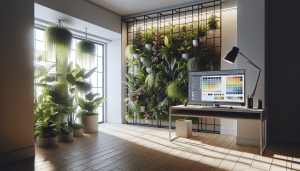
As cities become more crowded and outdoor spaces become smaller, vertical gardening has emerged as a game-changer. This method involves growing plants upwards rather than outwards, using walls, fences, or specialized structures to support plant growth. Vertical gardening allows you to maximize space, making it ideal for those with limited yard space or urban dwellers who want to bring nature into their apartments.
There are several options for creating a vertical garden:
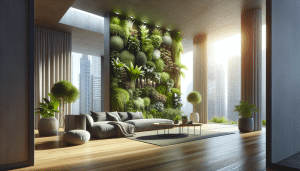
- Green Walls: Known as living walls, these are large panels covered with plants, usually mounted on fences or building walls. They are not only space-efficient but also provide insulation, reducing the need for energy consumption in buildings.
- Trellises and Arches: For climbing plants like ivy, tomatoes, and cucumbers, trellises and arches create a beautiful, functional way to add greenery to your space. These structures can be designed in various styles, from rustic wooden trellises to modern, sleek metal designs.
- Hanging Planters and Vertical Planter Systems: If you’re working with a small patio or balcony, hanging planters can transform a vertical space into a lush garden. Many vertical systems now come with built-in irrigation, making it easier to manage plant care in tight spaces.
Vertical gardening not only conserves space but also brings an element of greenery to unexpected places. In urban environments, where greenery is often sparse, vertical gardens are a practical and aesthetically pleasing solution. The appeal of vertical gardens has led to a surge in their popularity, with some cities like New York introducing green walls to combat pollution.
3. Outdoor Living Spaces: Creating Relaxation Zones
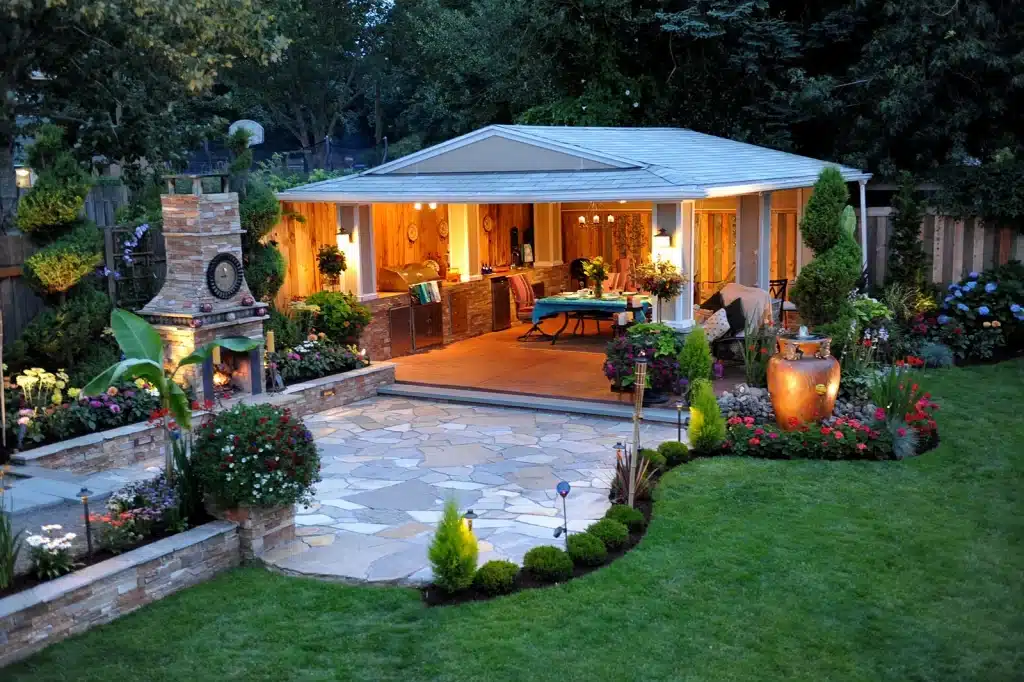
Another significant trend in gardening is the creation of outdoor living spaces. People are increasingly looking for ways to extend their indoor living areas into the outdoors. This trend is about more than just planting flowers; it’s about creating an environment where you can relax, entertain, and enjoy nature.
Here’s how to create a cozy outdoor living space:
- Outdoor Furniture: The right furniture can make or break your outdoor space. Consider investing in comfortable seating options like loungers, hammocks, or outdoor sofas. Materials like teak, wicker, and weather-resistant cushions provide both style and durability.
- Fire Pits and Fireplaces: Nothing makes an outdoor space more inviting than a fire pit or outdoor fireplace. These provide warmth during cooler evenings and add a cozy ambiance to any garden or patio. Fire pits are available in various styles, from rustic stone pits to sleek modern designs.
- Lighting: Outdoor lighting is key for extending the use of your garden into the evening. String lights, lanterns, and spotlights can highlight your plants while creating a magical atmosphere. Solar-powered lights are a popular, eco-friendly choice.
- Pergolas and Gazebos: For an elevated experience, consider adding a pergola or gazebo. These structures provide shade and shelter, creating a sense of privacy in your garden. You can even grow climbing plants like wisteria or roses over the frame to create a natural canopy.
- Water Features: Incorporating water into your garden, such as ponds, fountains, or even small waterfalls, creates soothing sounds and a tranquil atmosphere. Water features are perfect for enhancing relaxation and improving the garden’s ecosystem by attracting beneficial wildlife.
Outdoor living spaces are about bringing comfort to nature. They allow you to transform your garden into a functional extension of your home, offering a perfect spot to unwind after a long day or host gatherings with family and friends.
4. Garden Technology: Smarter Gardens for a Smarter World
Technology is finding its way into gardening, and it’s changing how we approach landscaping and plant care. From automated irrigation systems to smart garden sensors, the integration of technology helps gardeners maintain healthier, more efficient spaces.
- Smart Irrigation Systems: These systems adjust watering schedules based on weather forecasts or soil moisture levels, ensuring that your plants receive the right amount of water without wasting resources. By automating the process, you can conserve water and reduce your gardening workload.
- Plant Care Sensors: With the rise of smart gardens, sensors have become a vital tool for many gardeners. These sensors monitor plant health, detecting when a plant needs water or nutrients. Some systems even offer real-time data to your smartphone, so you can care for your plants from anywhere.
- Garden Apps: There are now a plethora of gardening apps that help you plan, track, and grow your garden. These apps can help you identify plants, track their growth, and offer guidance on care and maintenance.
Technology has made gardening more accessible and efficient, especially for those with busy schedules or who are just starting out. It’s a trend that’s likely to continue growing as tech innovation provides gardeners with even more tools to enhance their outdoor spaces.
5. The Rise of Edible Gardens: Grow Your Own Food
Growing your own food is not just a trend—it’s a movement. Edible gardening has gained tremendous popularity as people become more conscious of where their food comes from. From fruit trees and berry bushes to herb gardens and raised vegetable beds, growing your own food can reduce your grocery bills and ensure that you have fresh, organic produce right at your doorstep.
- Raised Beds and Container Gardens: For those with limited space, raised garden beds or container gardening can be a perfect solution. They make growing food easier and more manageable while also providing better soil drainage.
- Herb Gardens: Having an herb garden on your windowsill or patio allows you to easily access fresh herbs for cooking. Common herbs like basil, mint, and rosemary thrive in pots and can be grown indoors or outdoors.
- Vegetable Gardens: Whether you have a small patch of soil or a larger backyard, growing vegetables like tomatoes, lettuce, and peppers can be incredibly rewarding. Raised beds or vertical gardening systems can help maximize space while providing an abundant harvest.
Edible gardening encourages a deeper connection with food production and offers an exciting, hands-on way to enjoy gardening while also benefiting your health and lifestyle.
Conclusion
Gardening trends are evolving with a strong emphasis on sustainability, innovation, and functionality. From eco-friendly practices like rainwater harvesting to the integration of technology and the rise of vertical and edible gardens, today’s gardening methods reflect a desire to enhance outdoor spaces in both aesthetic and practical ways. Whether you’re looking to grow your own food, create a relaxing outdoor living area, or reduce your environmental impact, these gardening tips provide a solid foundation for enhancing your outdoor space.
By embracing these current trends, gardeners can build not only beautiful gardens but also more sustainable and functional spaces that are perfect for relaxation, entertainment, and connecting with nature.
References
- The Gardeners’ World. (2025). Sustainability in gardening: How to make your garden more eco-friendly. Available at: https://www.gardenersworld.com (Accessed: 23 September 2025)
- Bower, A. (2024). The rise of vertical gardening: Maximizing small spaces with green walls and trellises. Available at: https://www.urbangardeningjournal.com (Accessed: 23 September 2025)
- Green, L. (2023). The future of outdoor living: Trends in creating comfortable garden spaces. Available at: https://www.homeandgardenmag.com (Accessed: 23 September 2025)

 Wellness Practices That Reduce Stress Naturally